
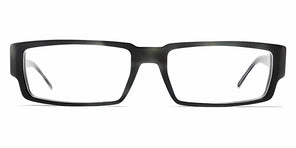
 Rectangle
 Browline
 Wayfarer
 Round
Round
 Cat-Eye
 Square
 Oval
Oval


 Aviator
 Butterfly
 Oversized























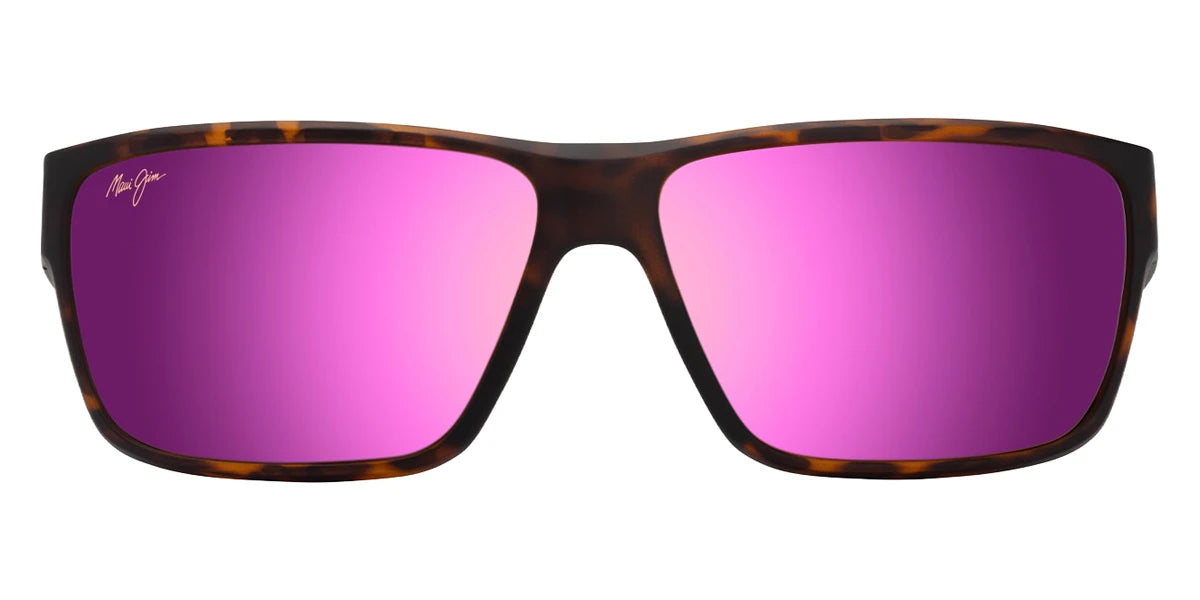
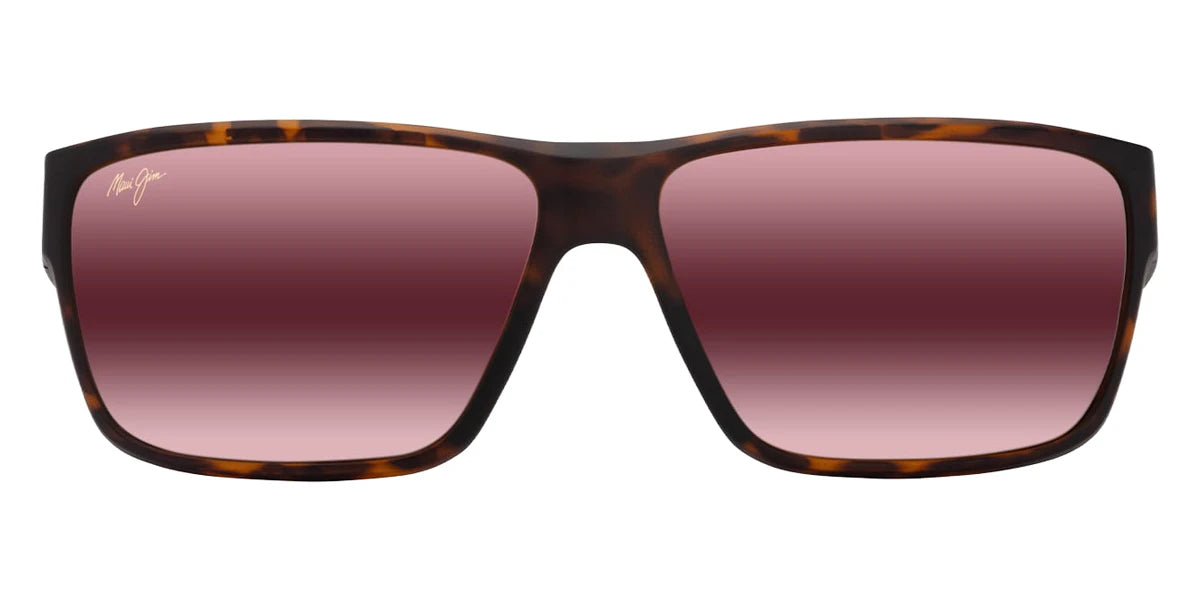

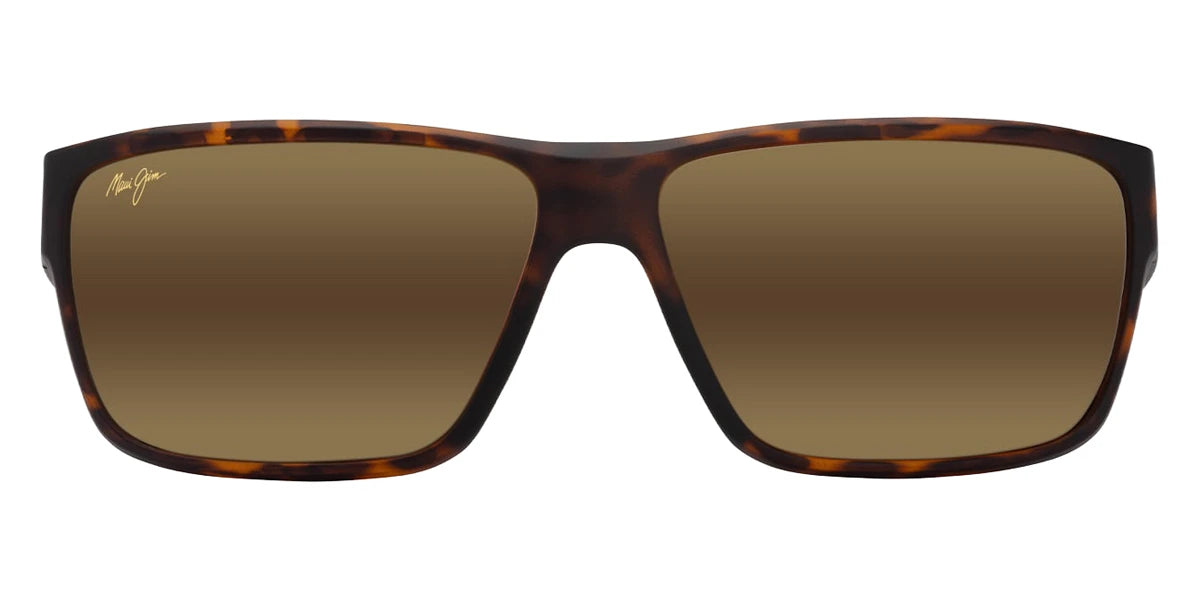
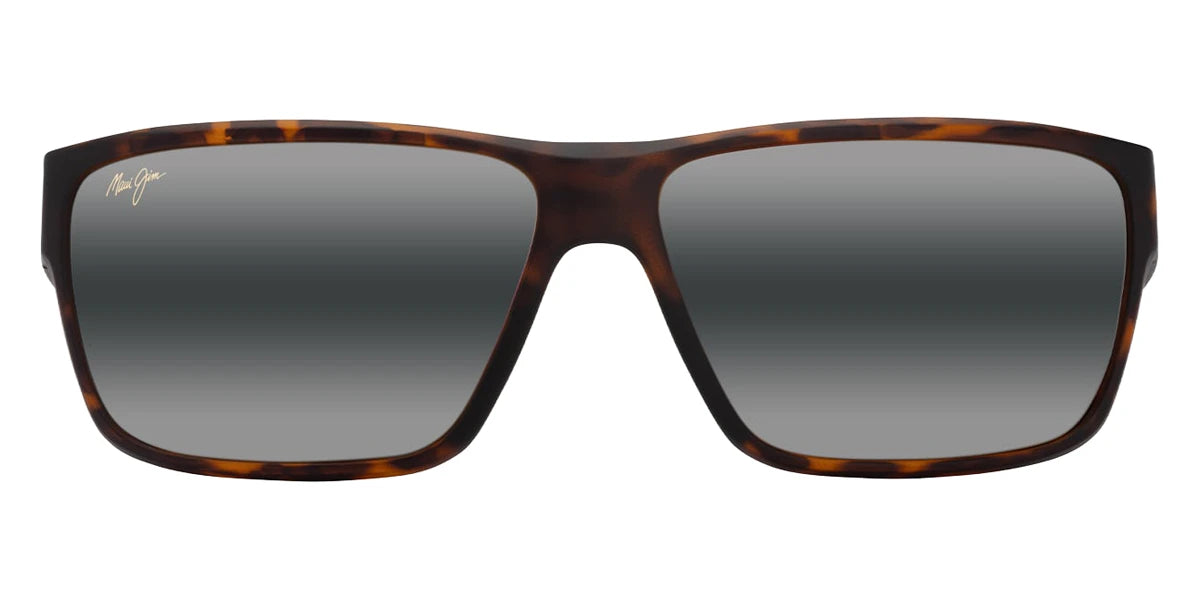
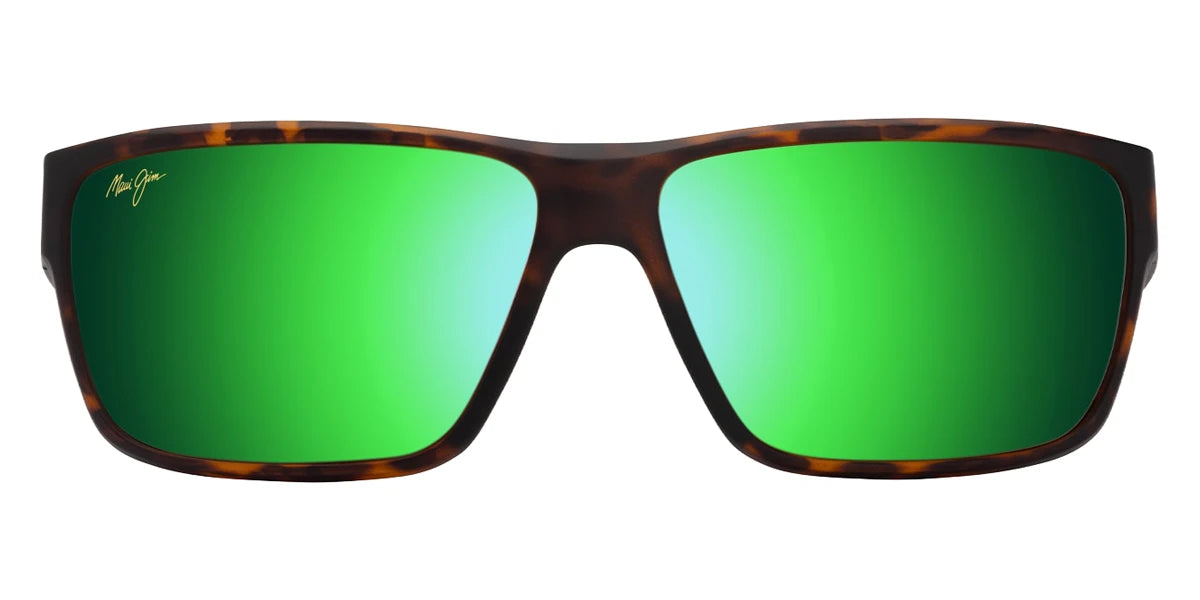
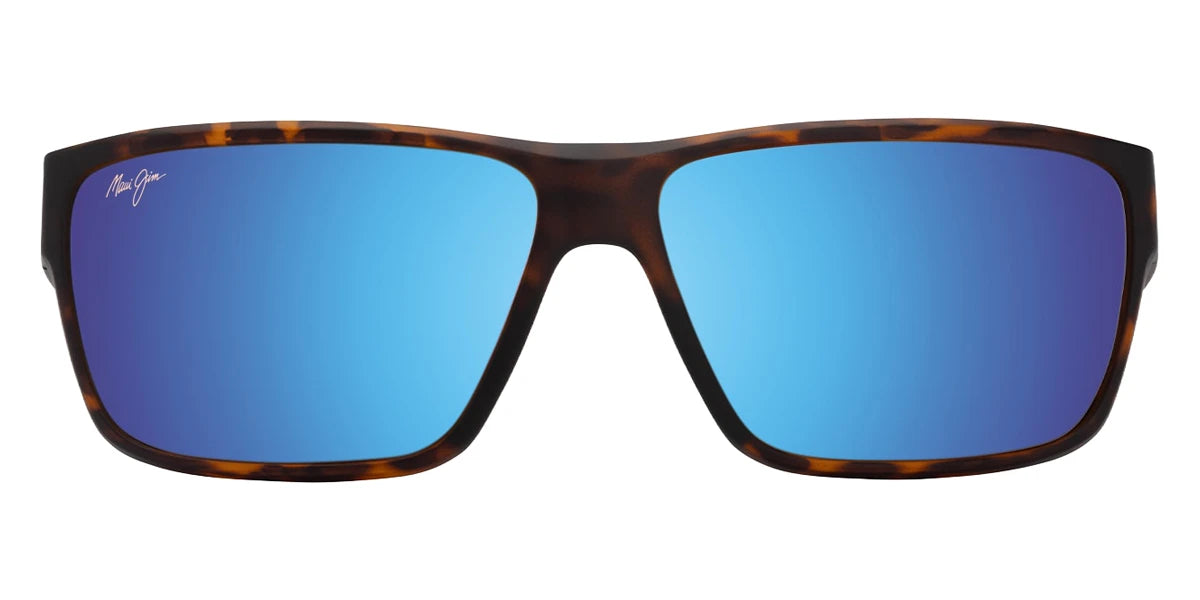


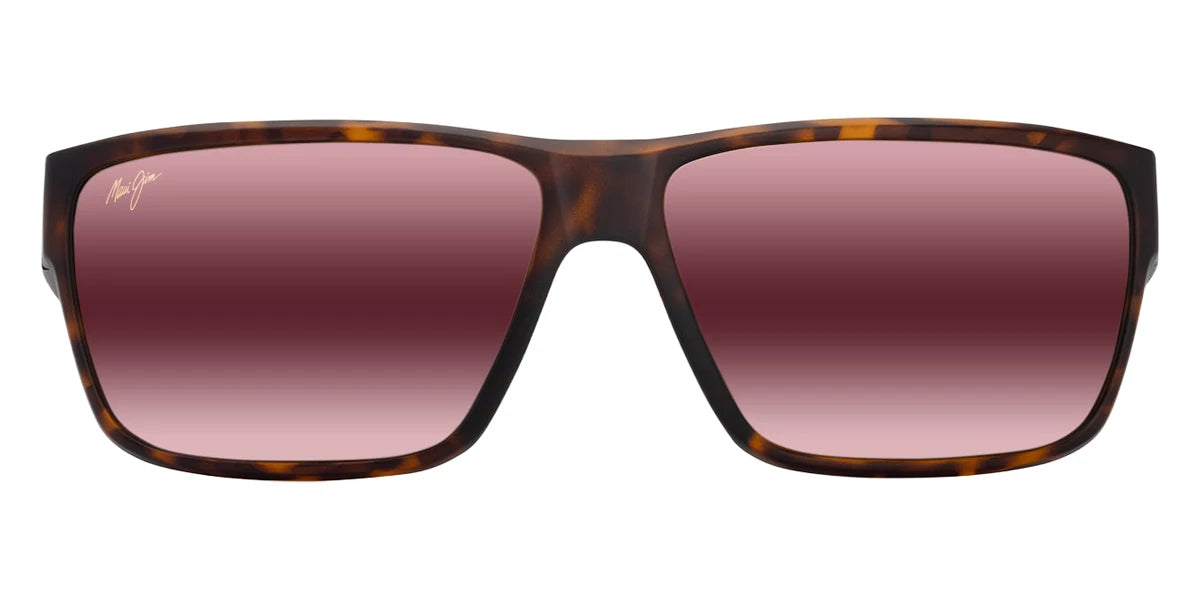

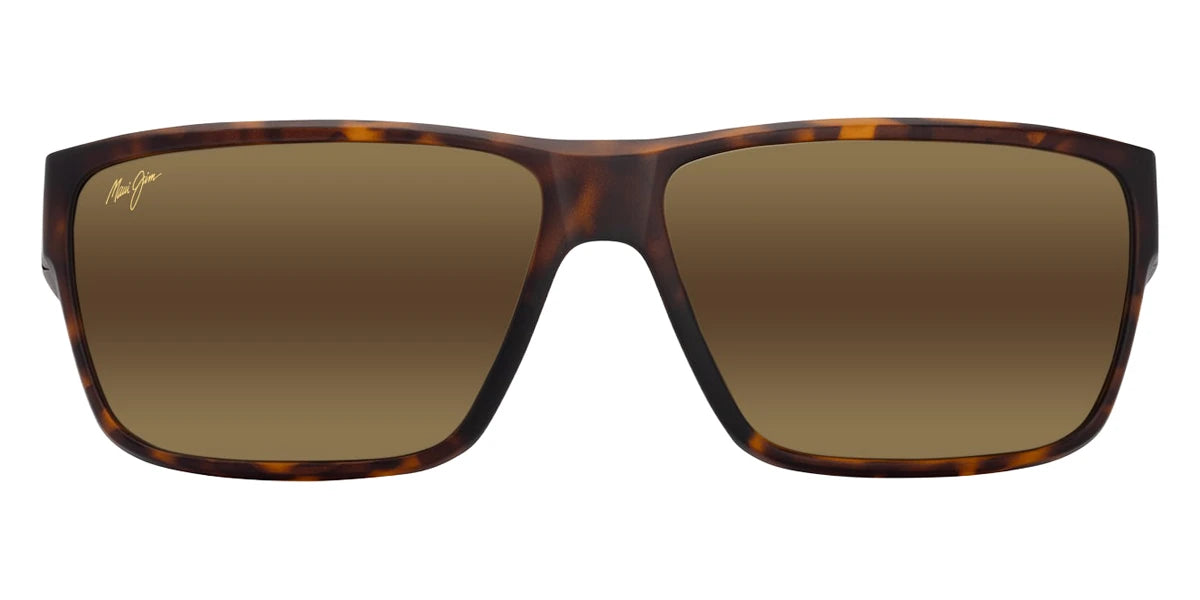


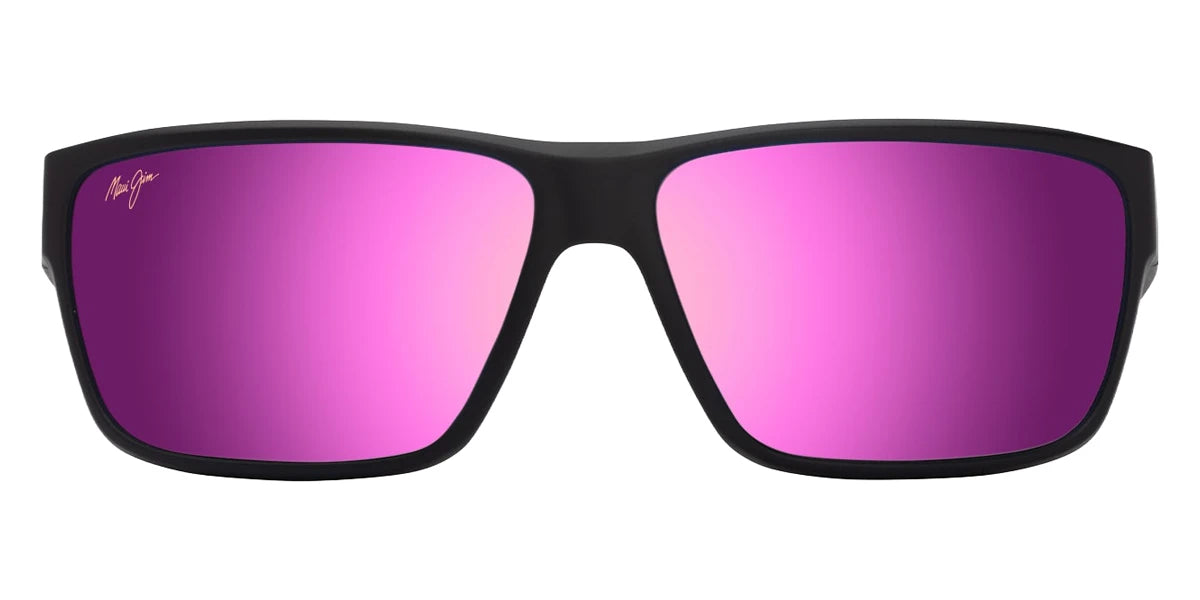

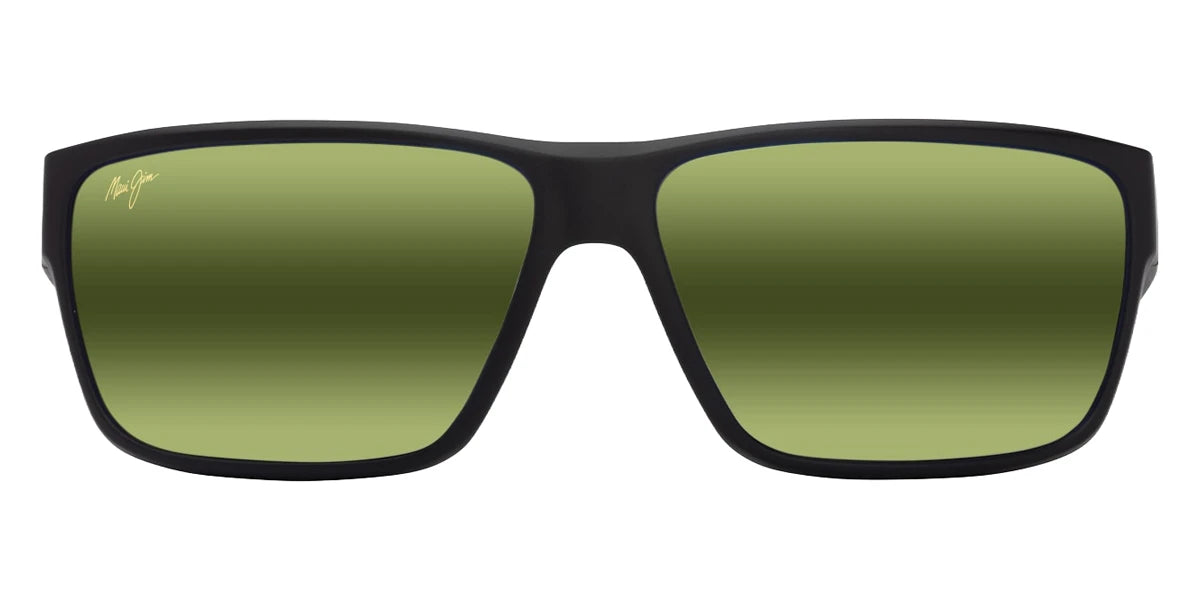
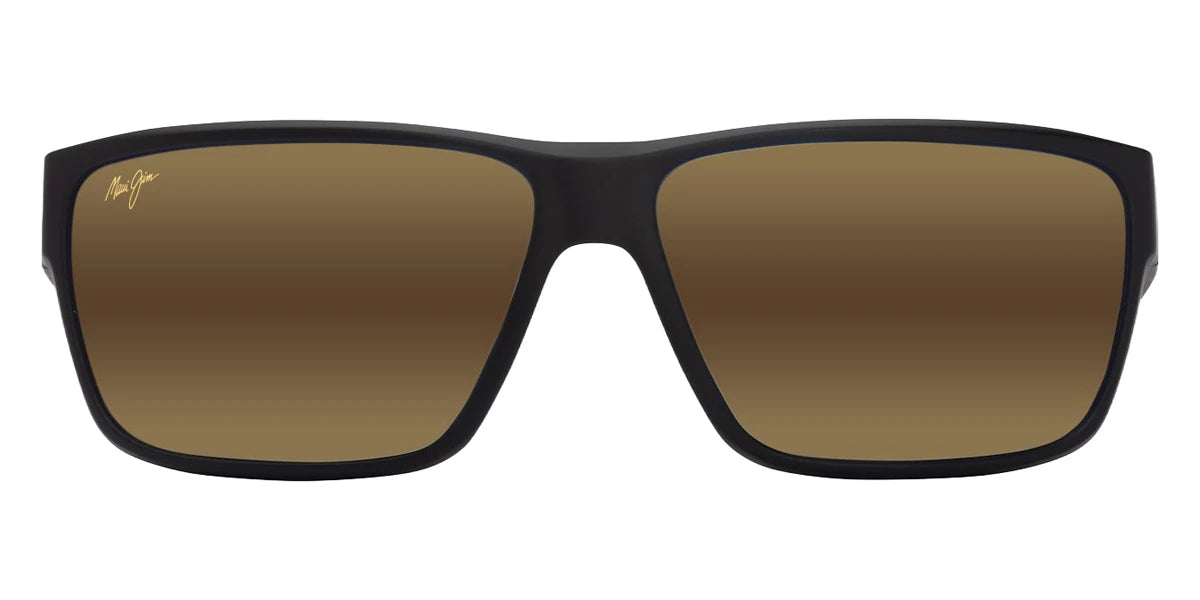
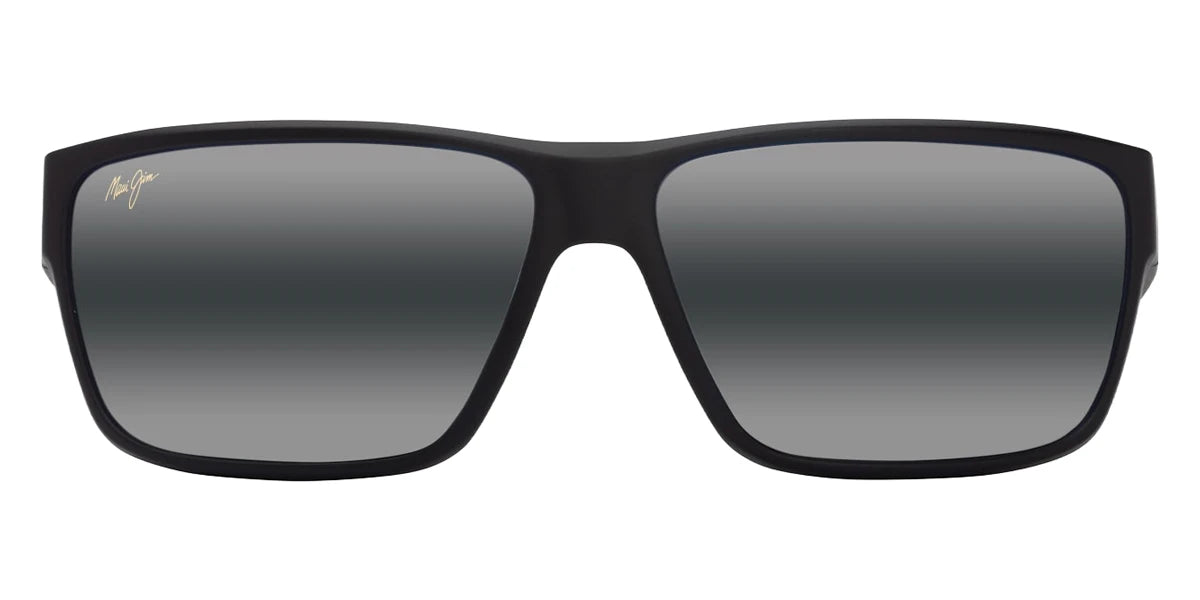



























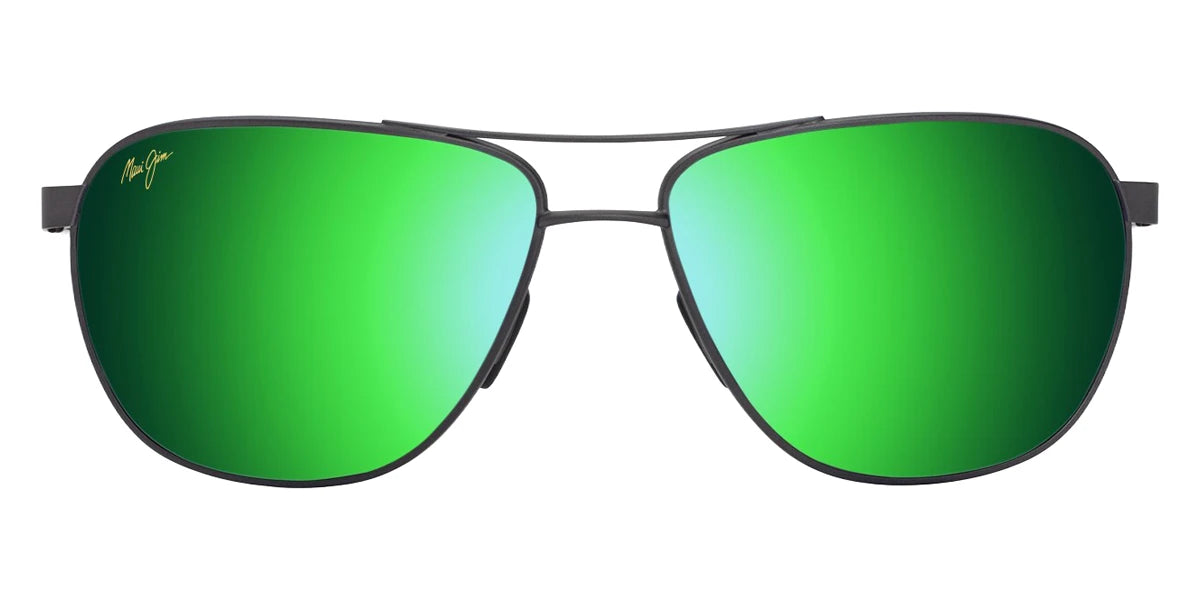
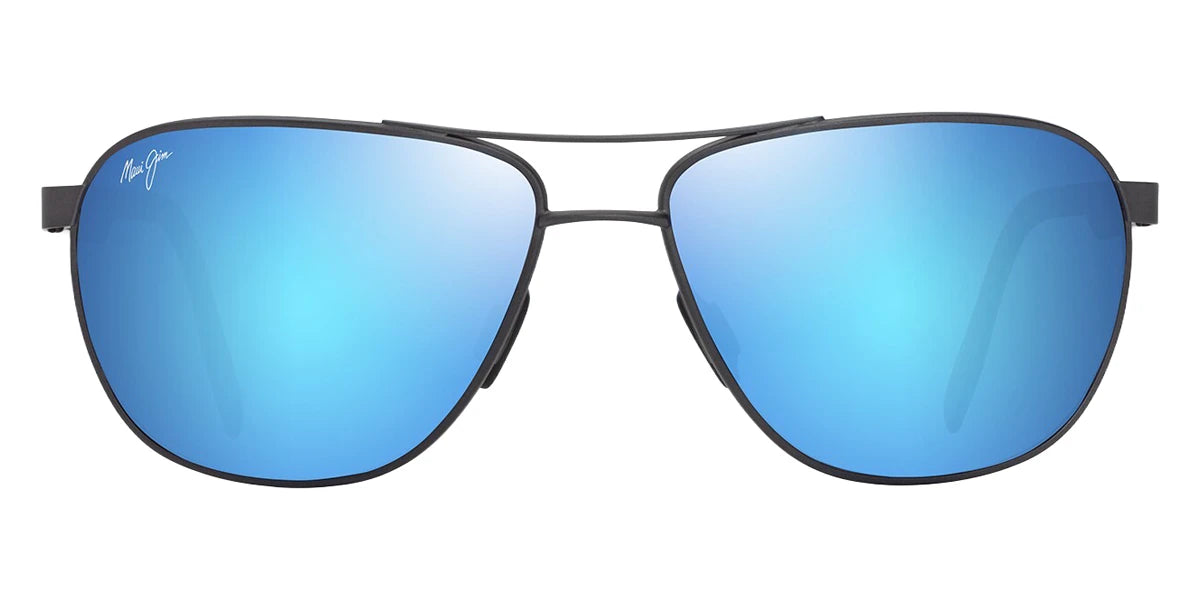


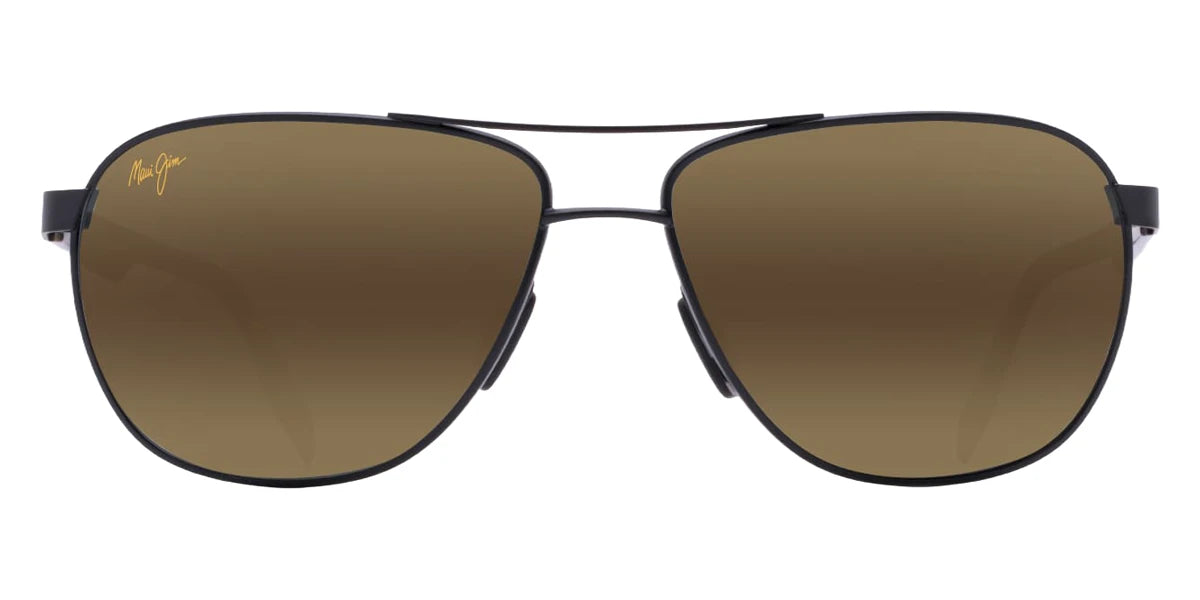
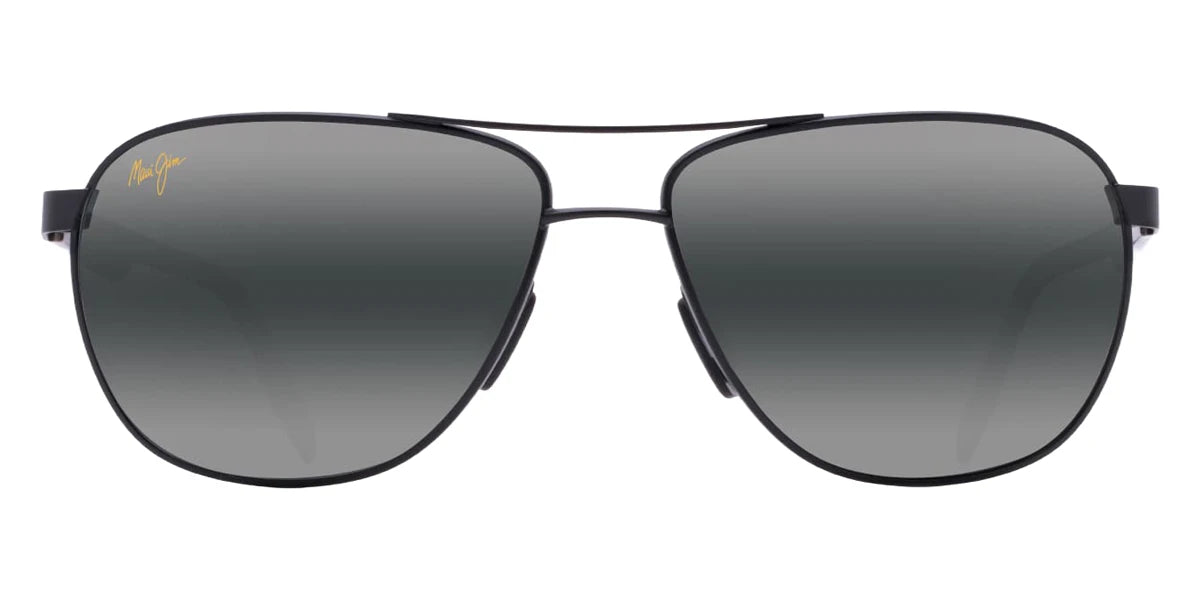















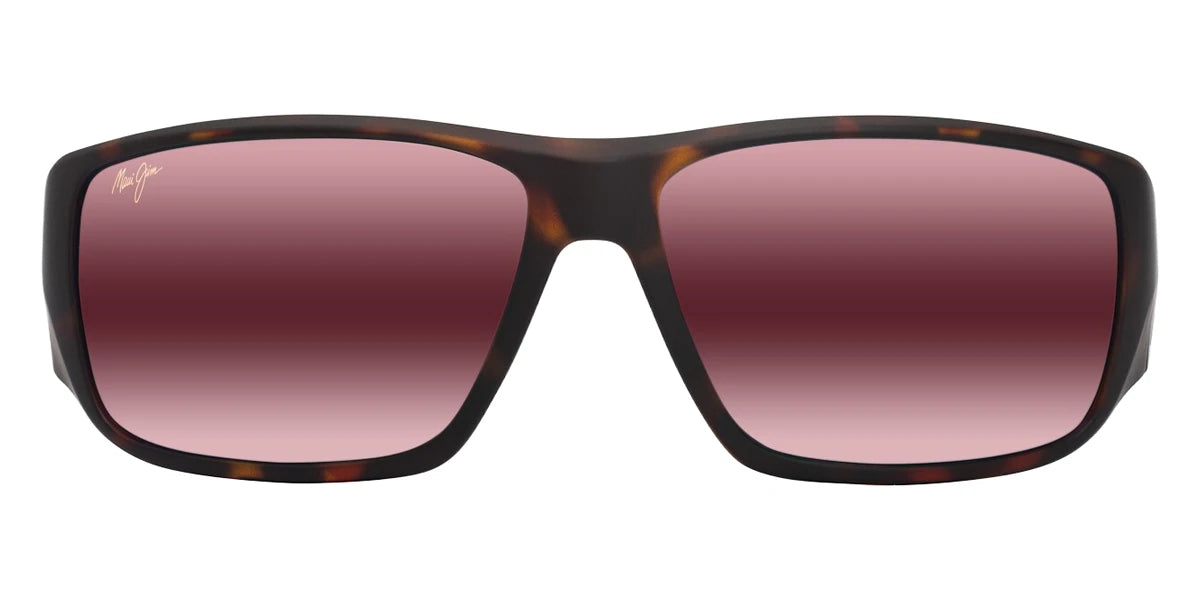
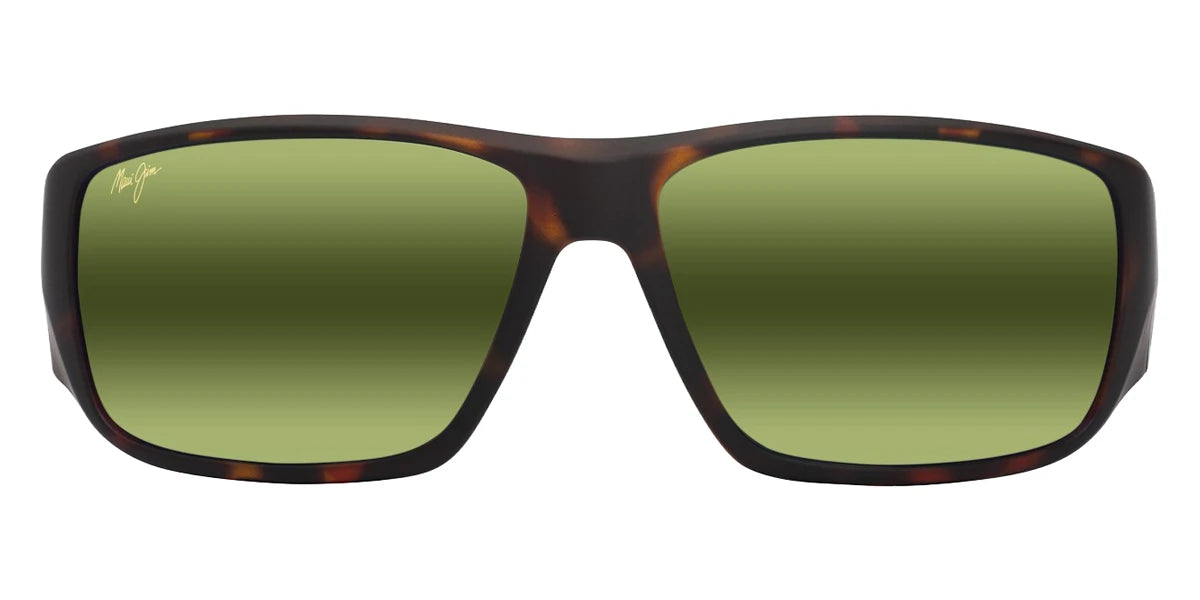
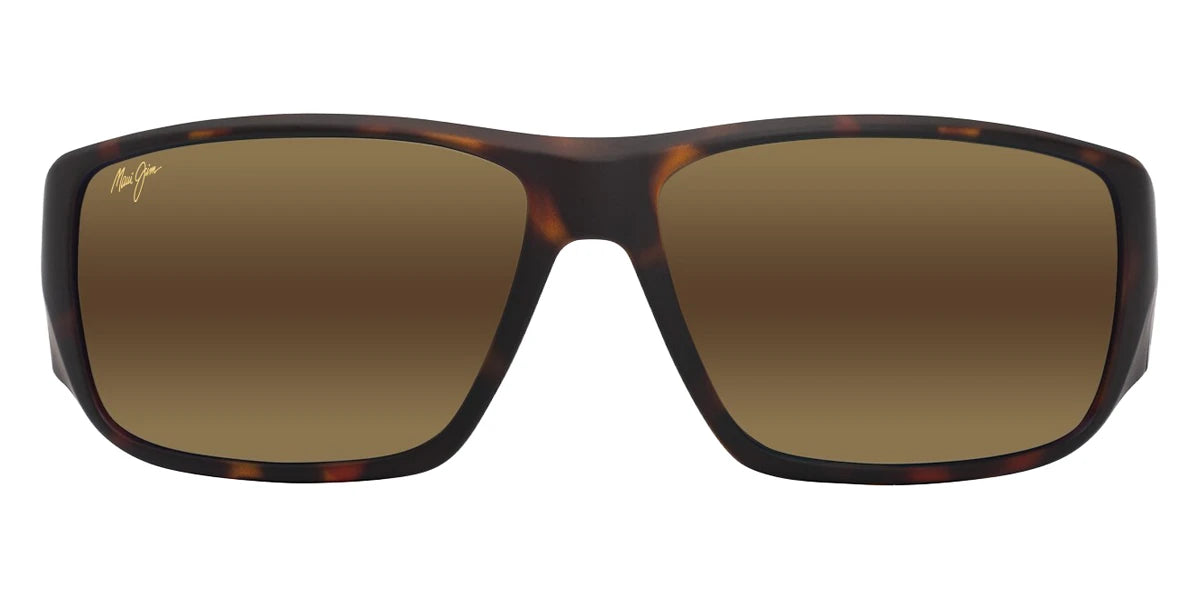
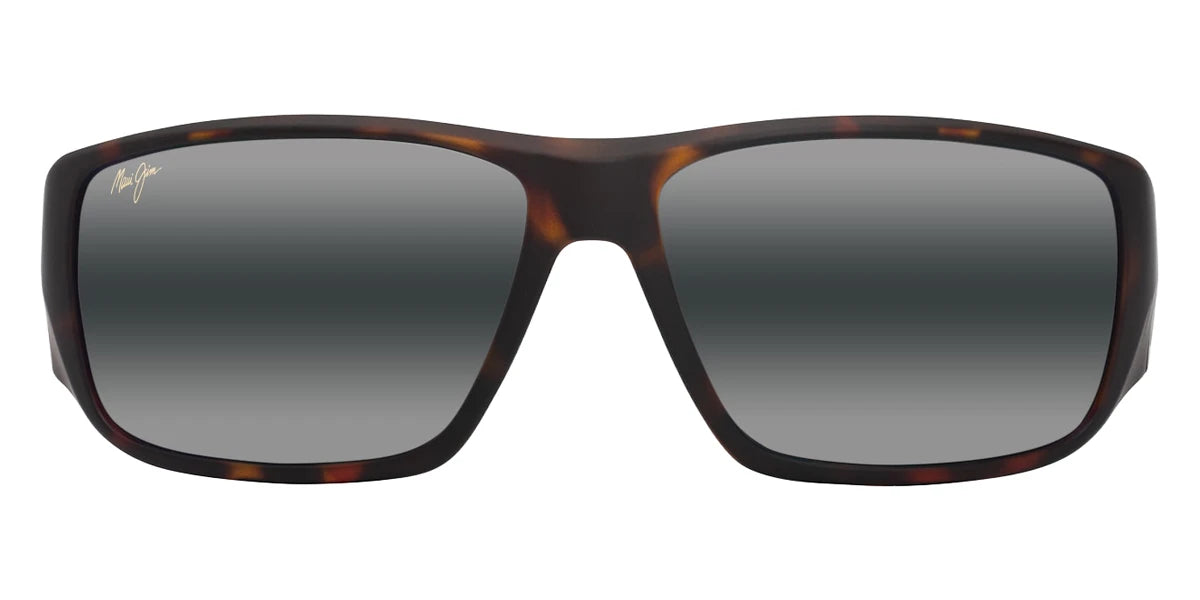


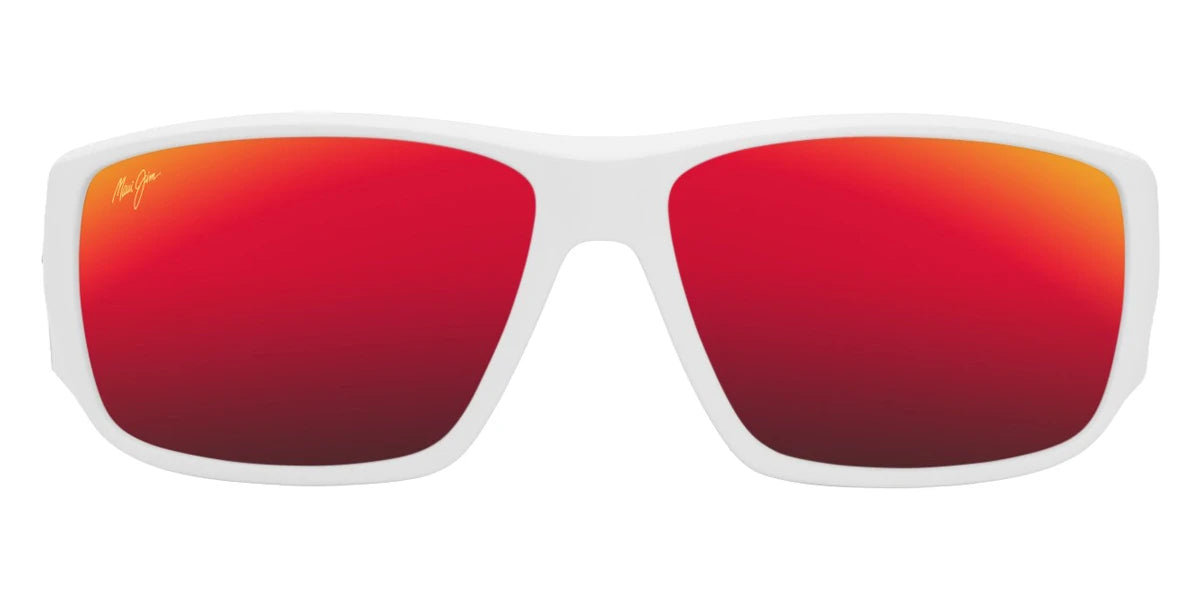
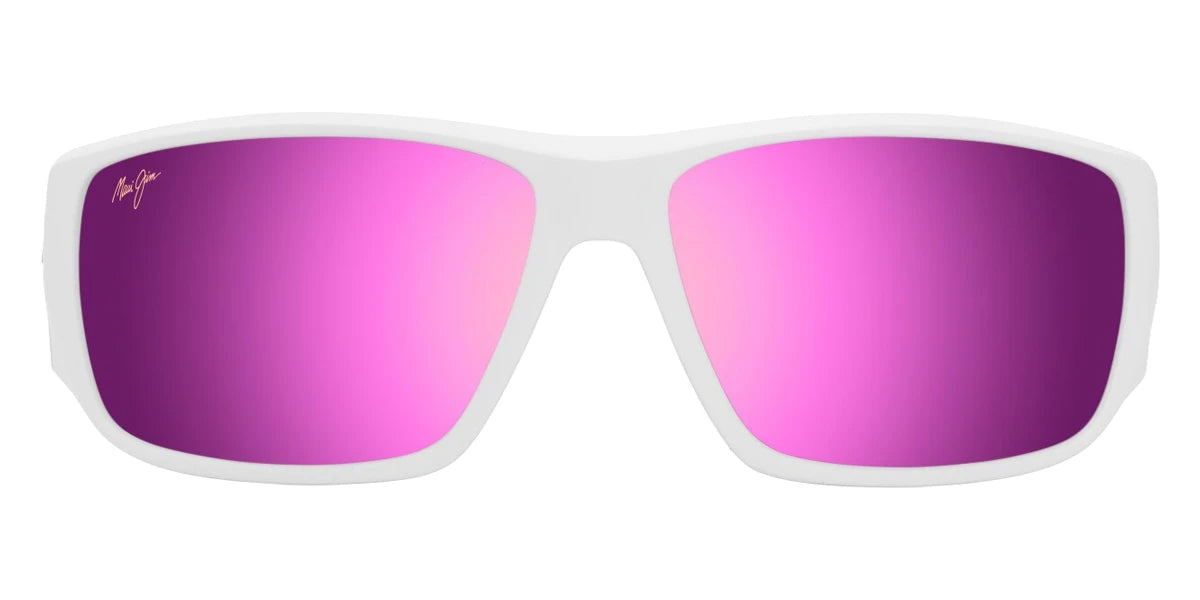


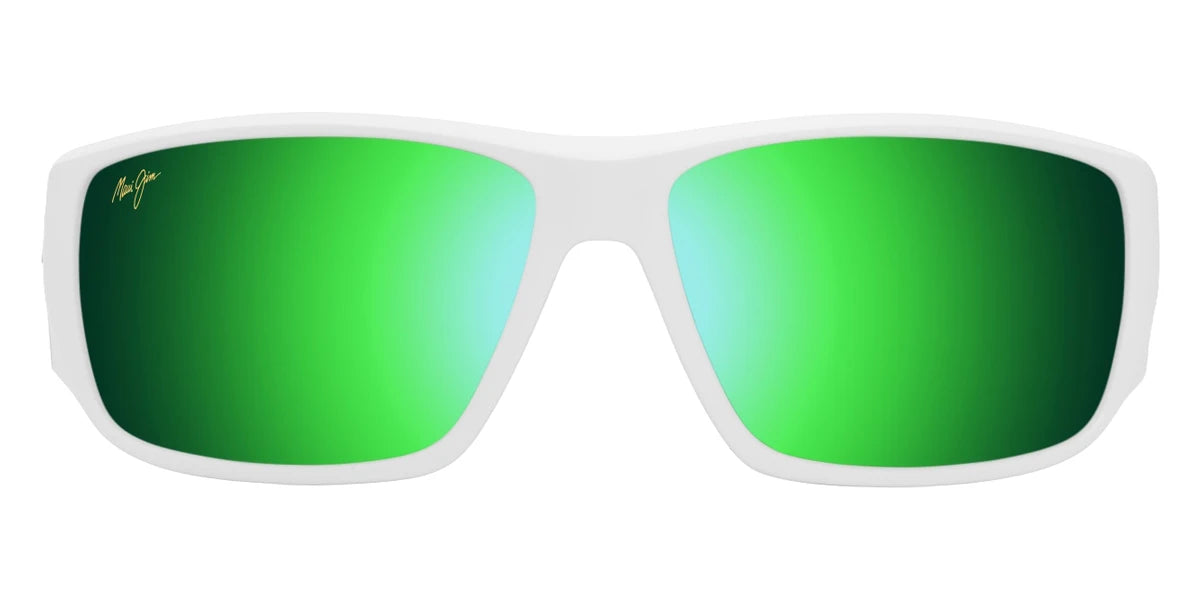


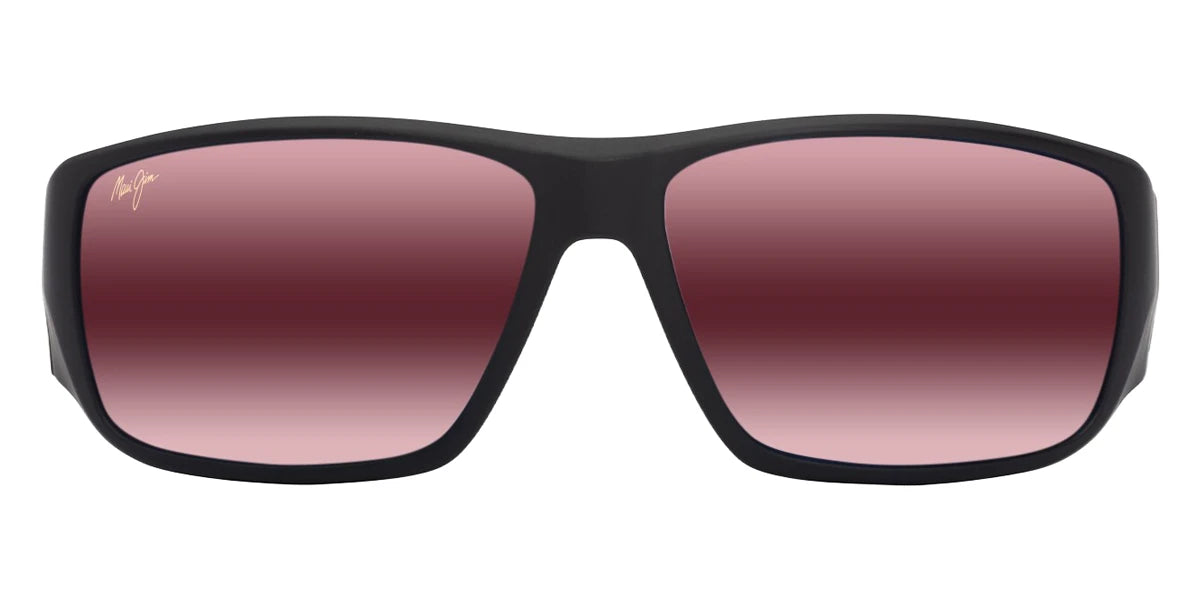

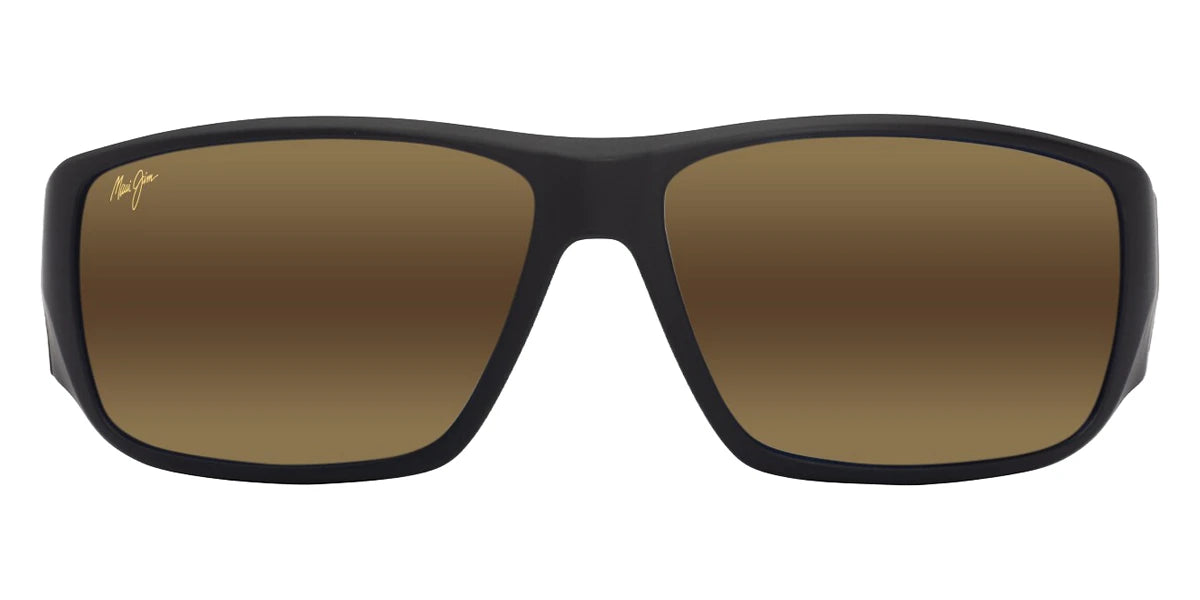


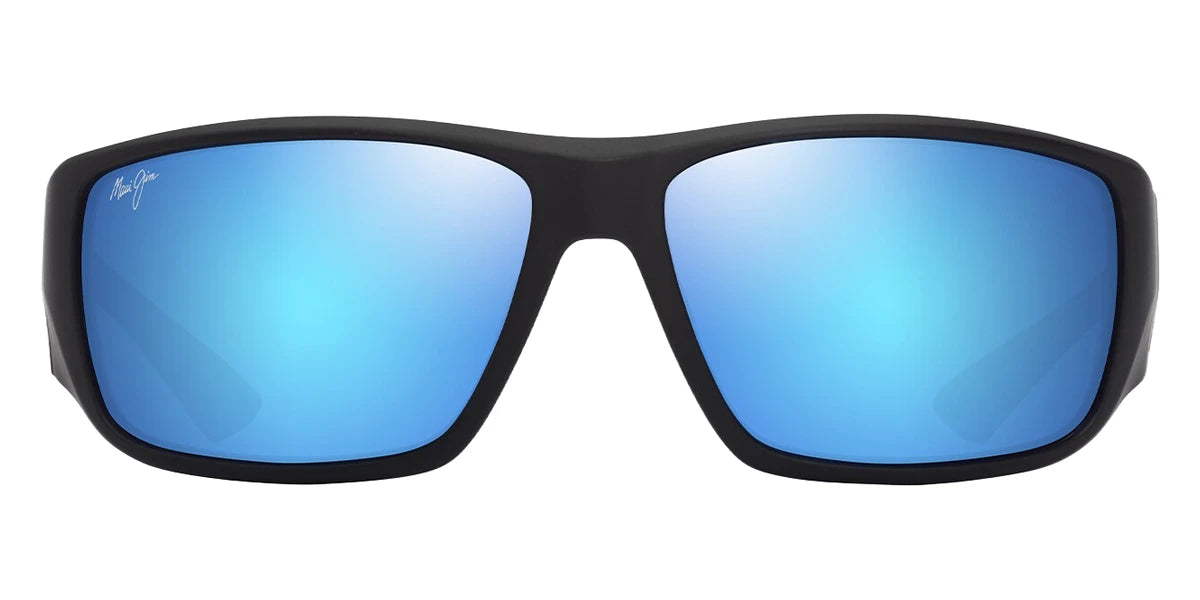


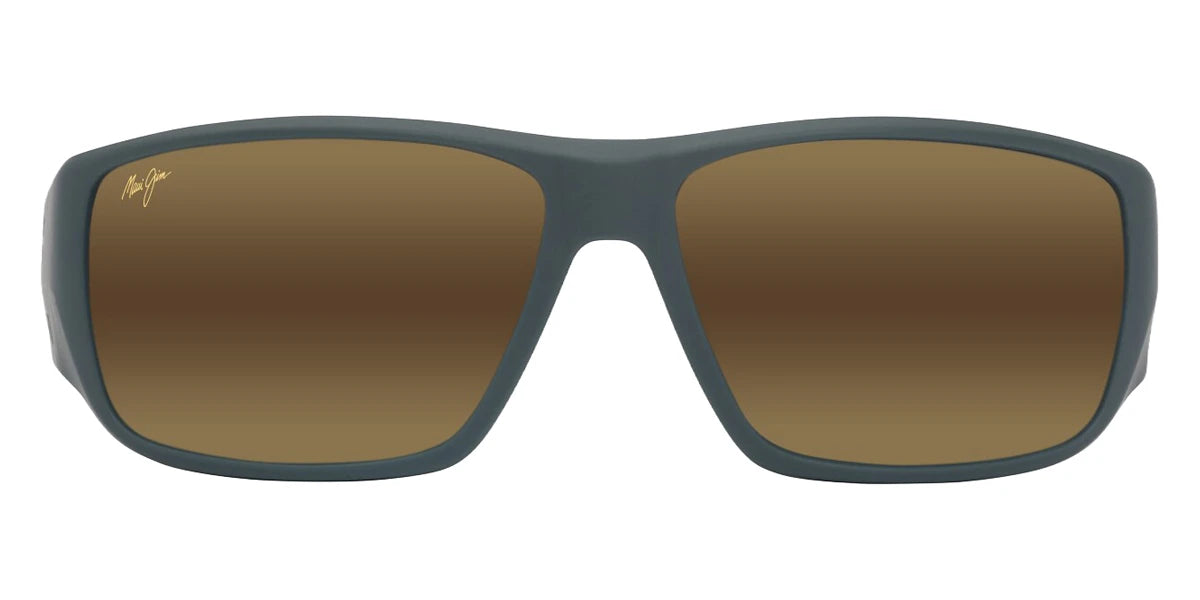
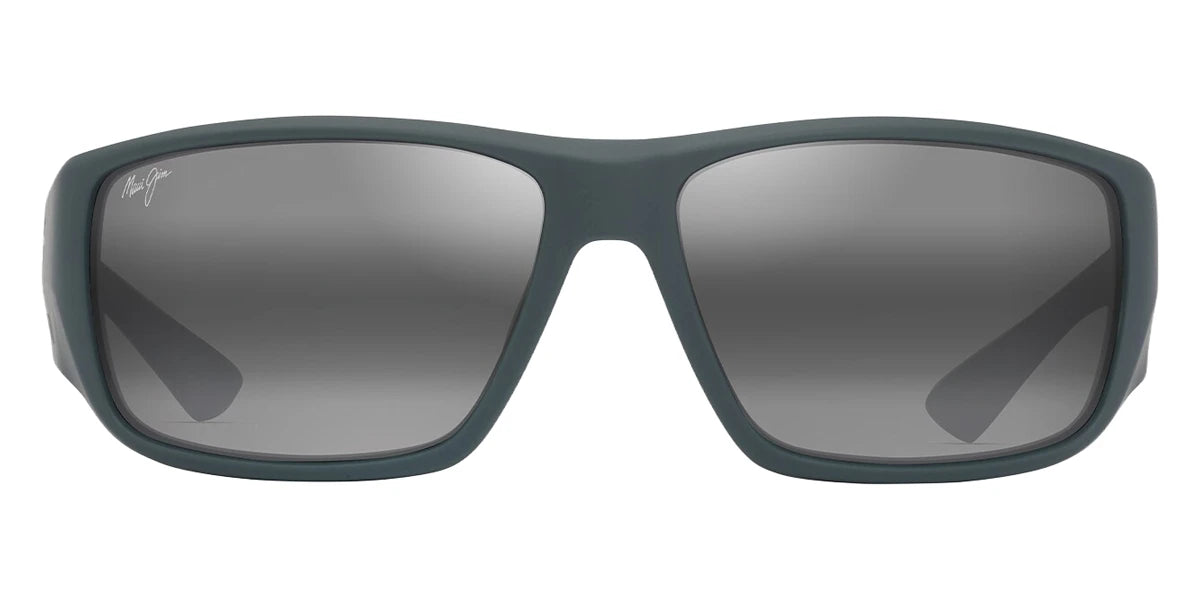











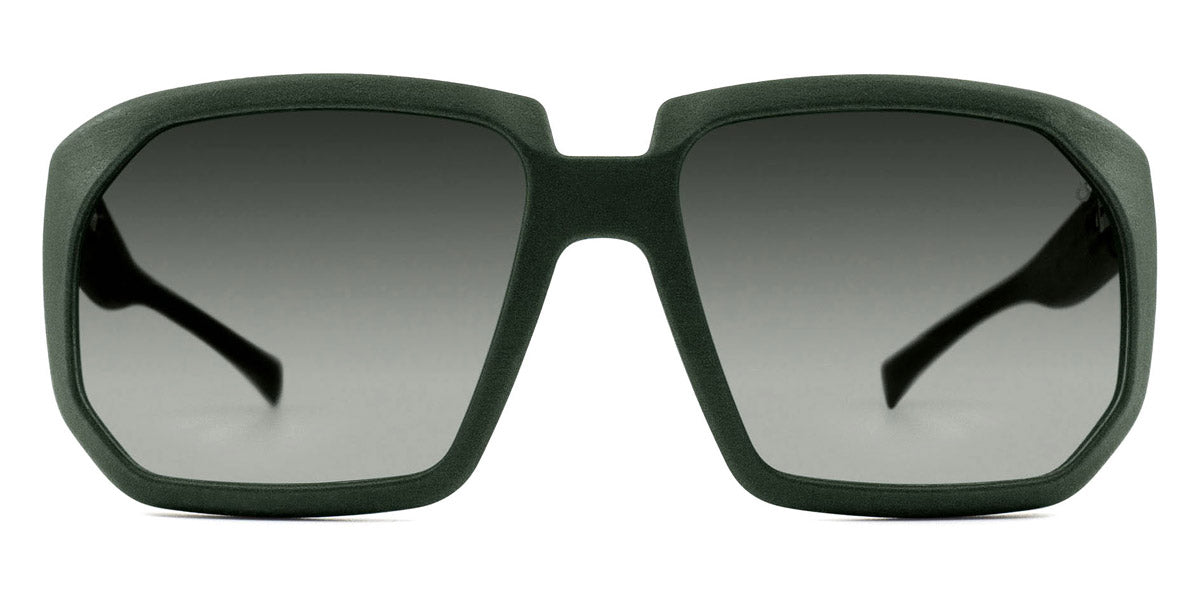
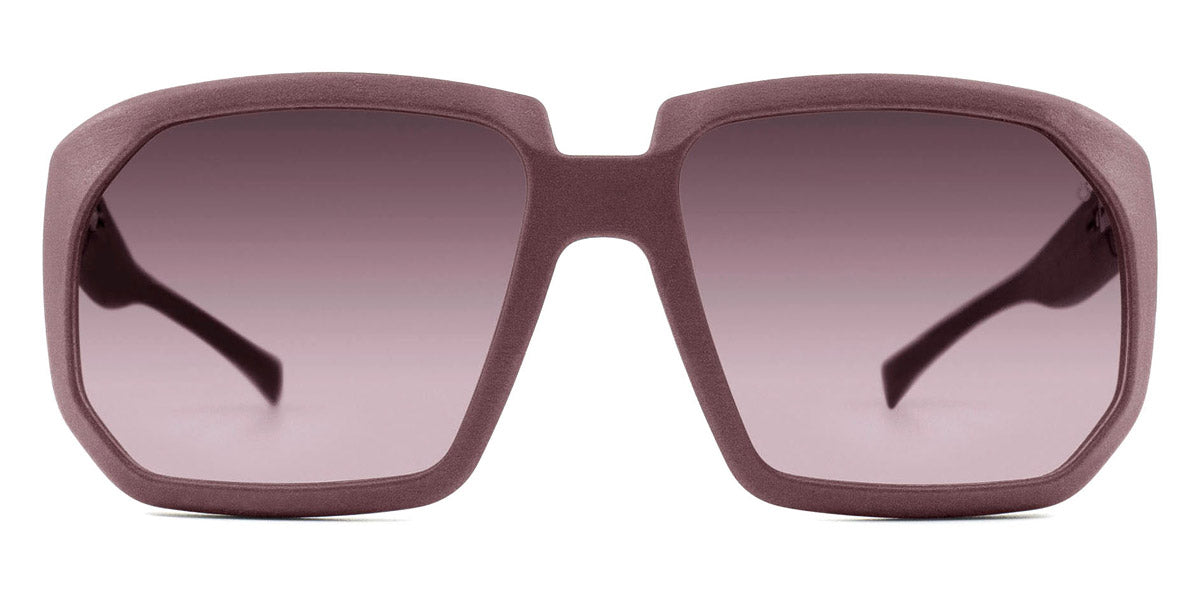


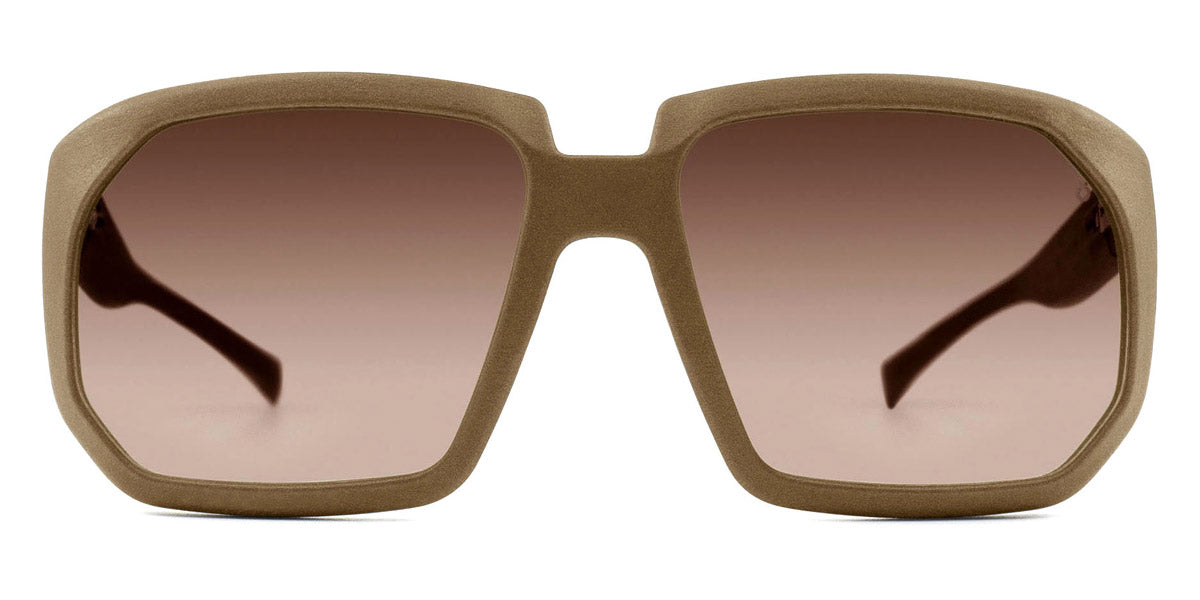
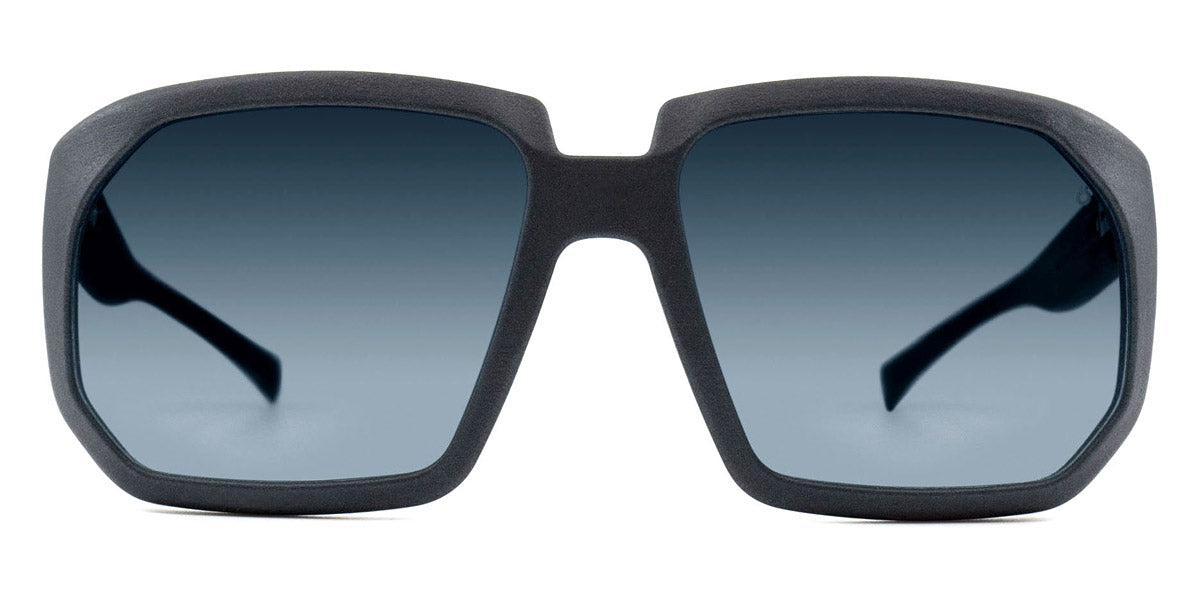
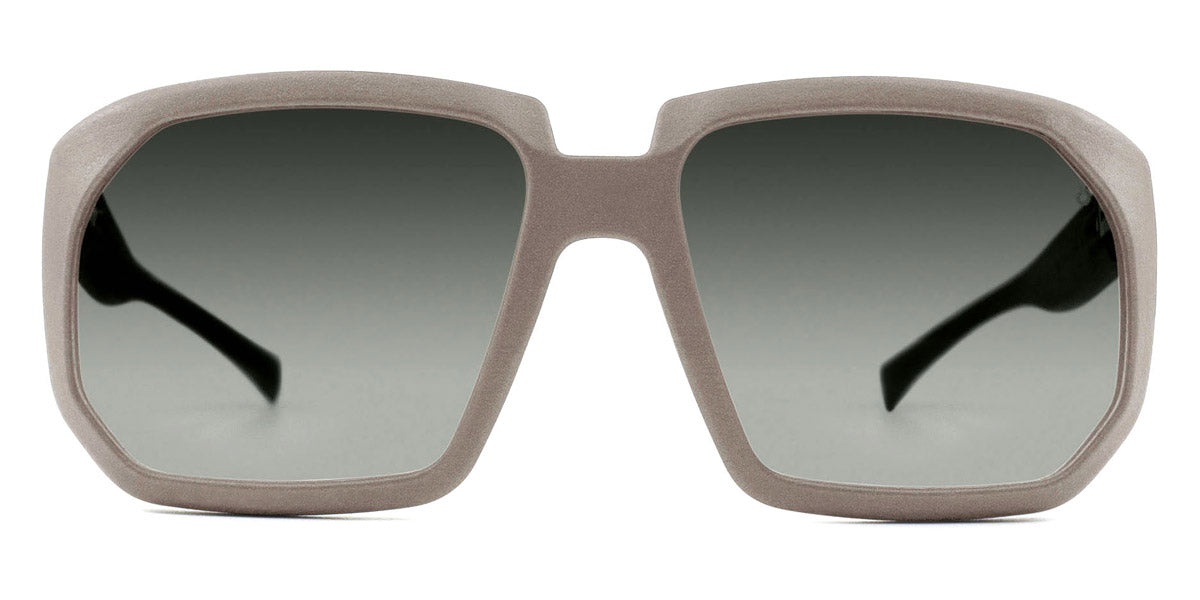
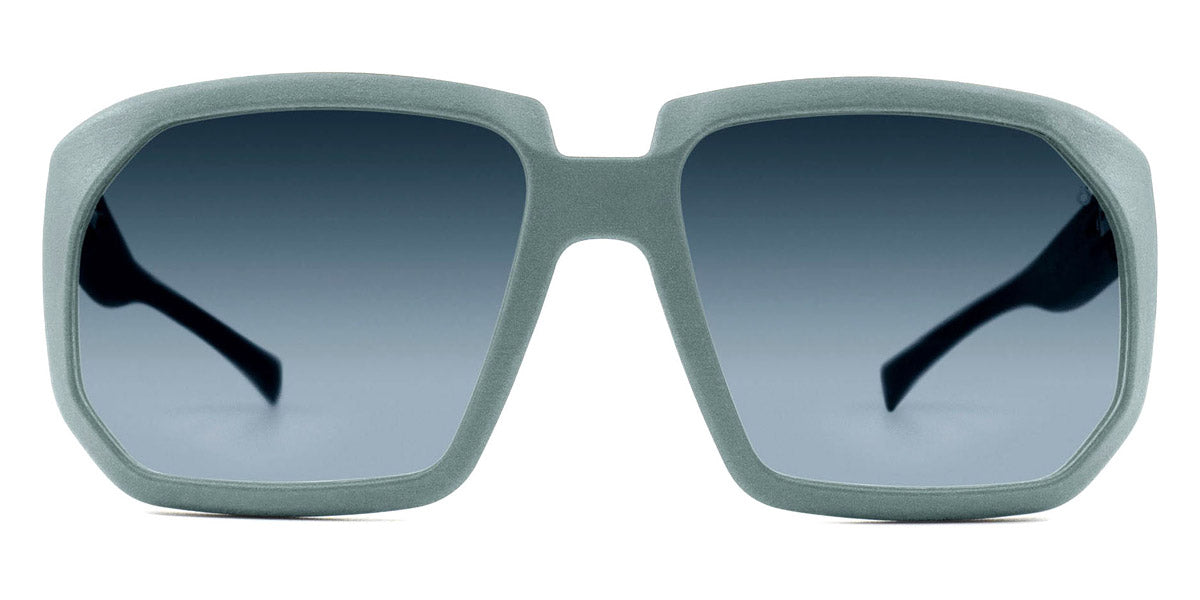







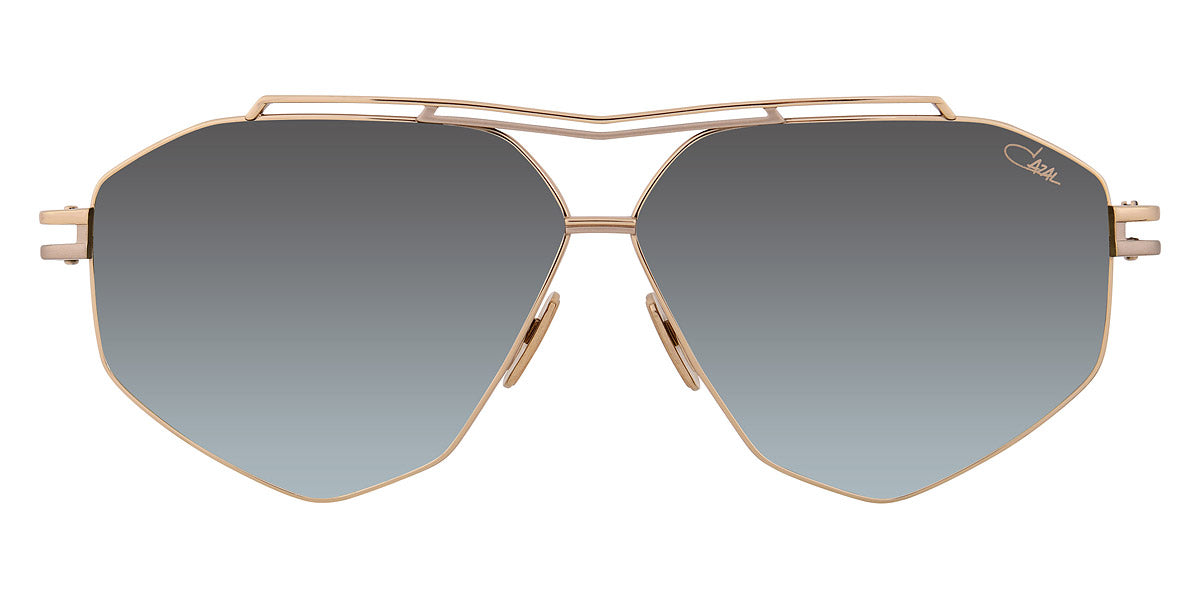
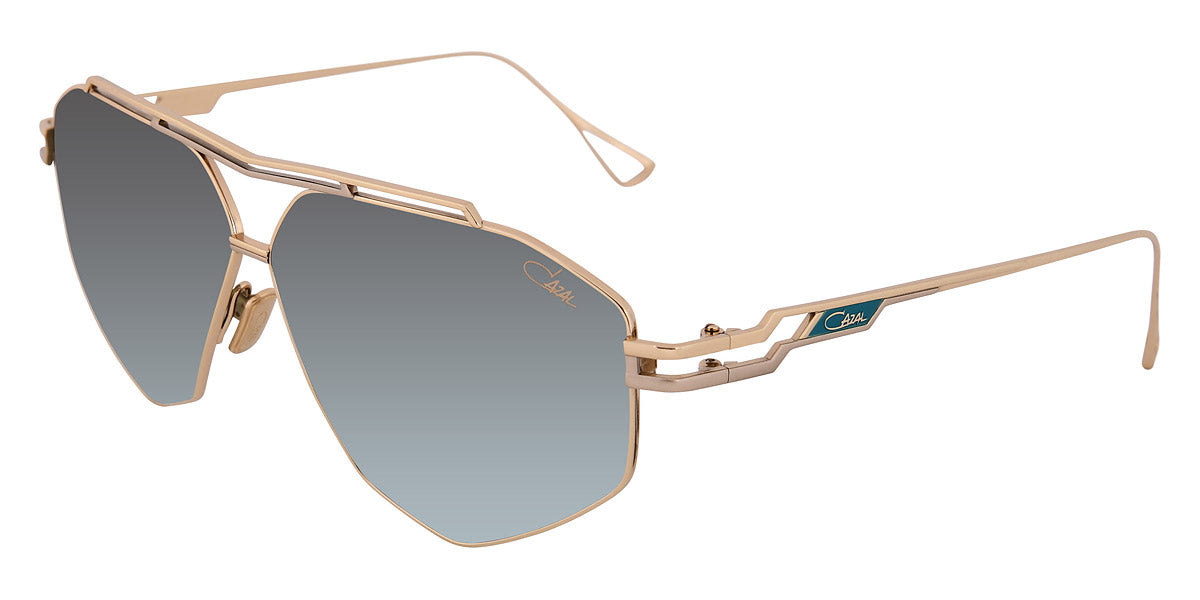
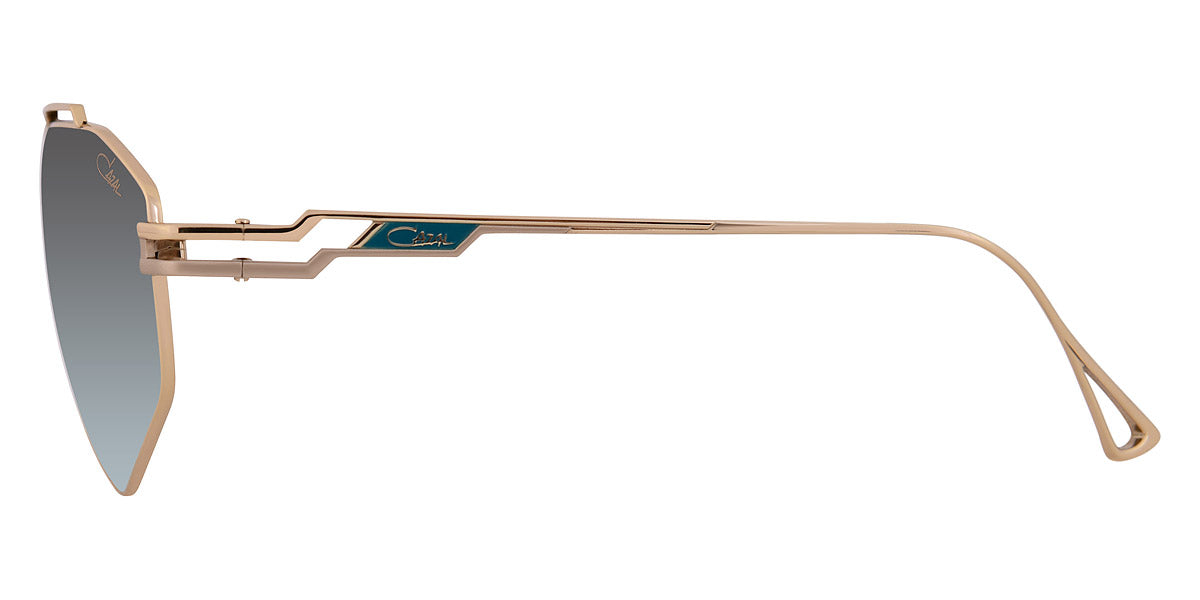
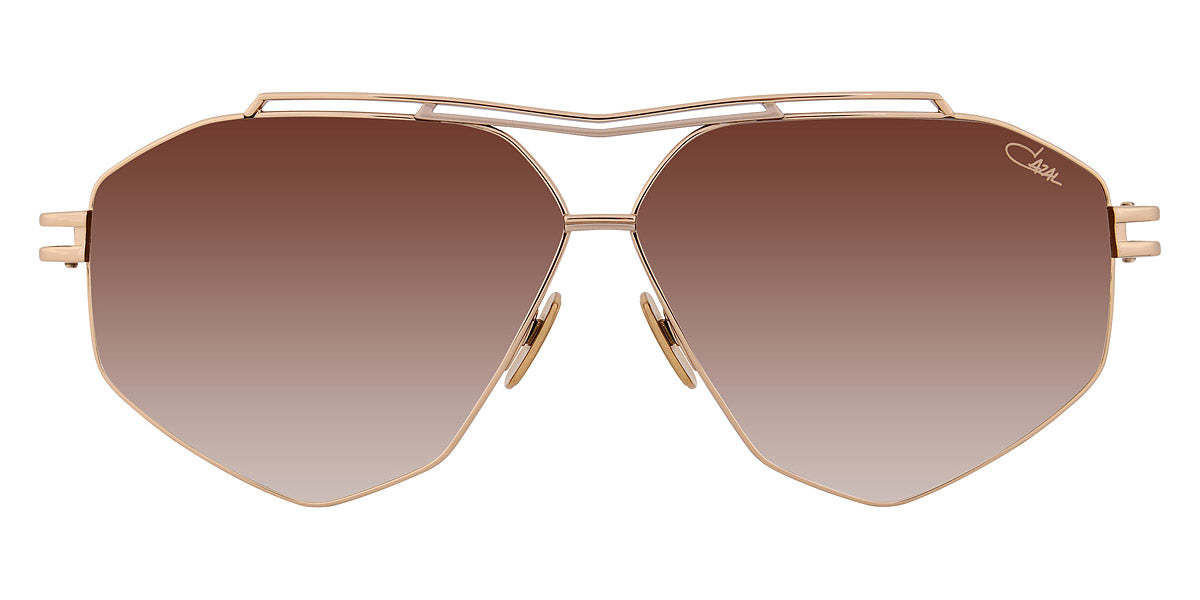




Find answers to all your questions.
Lens Size: 62mm Glasses

Showing 145-156 of 156
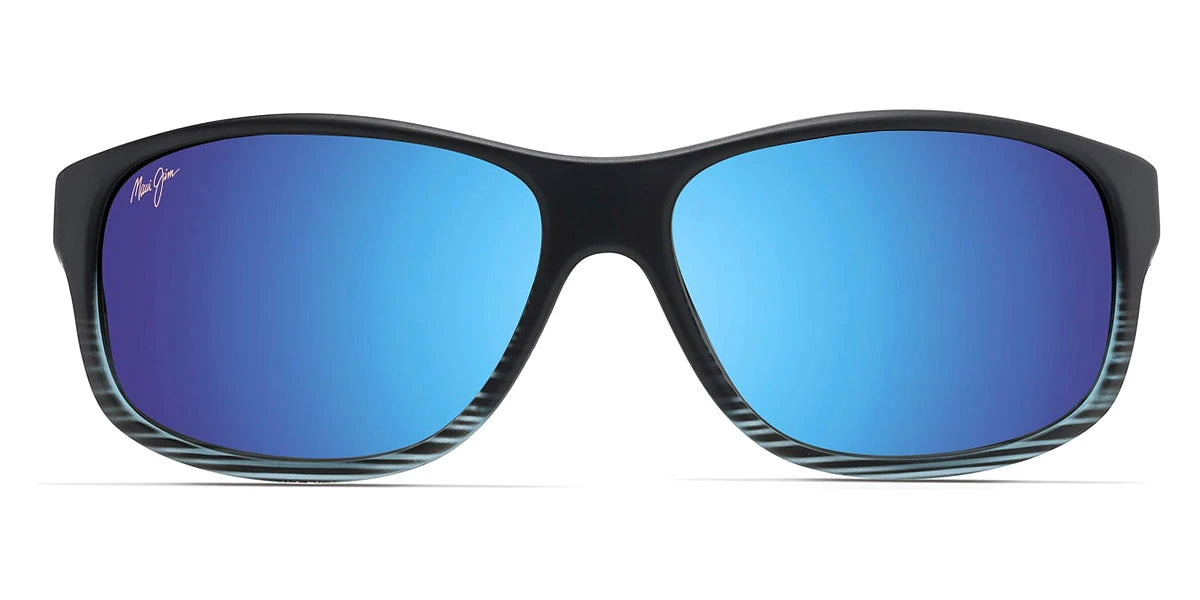
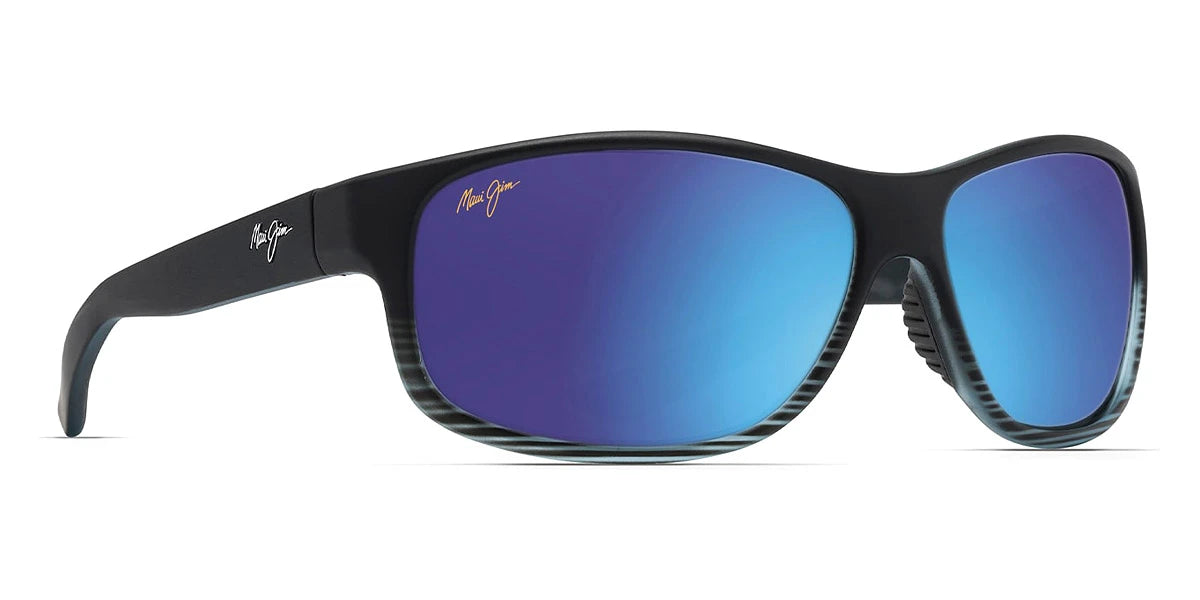
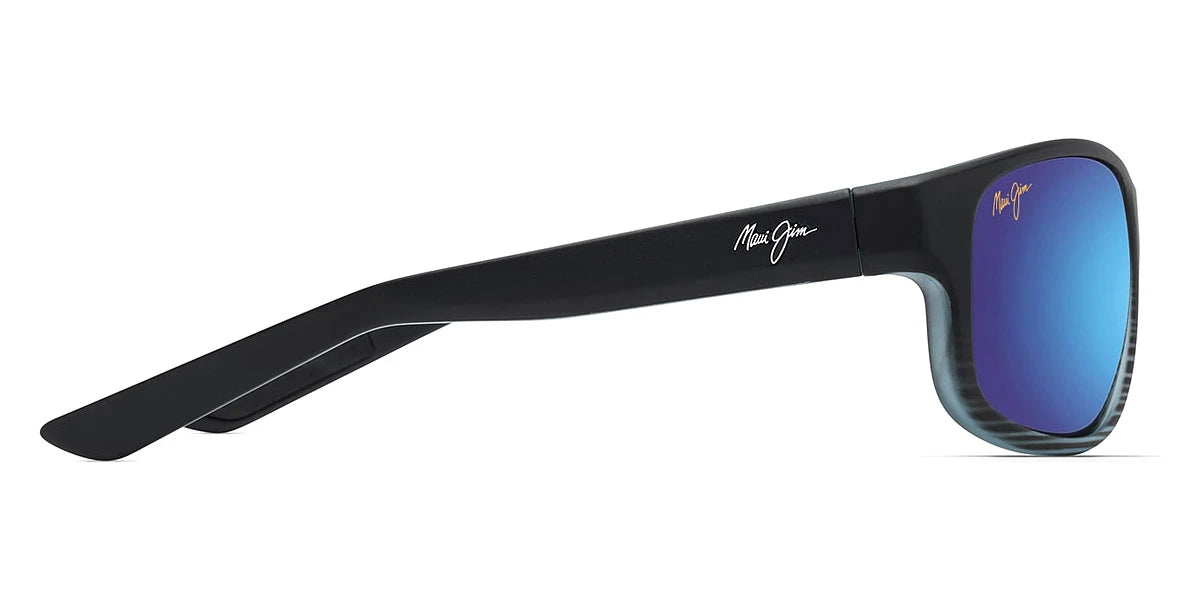
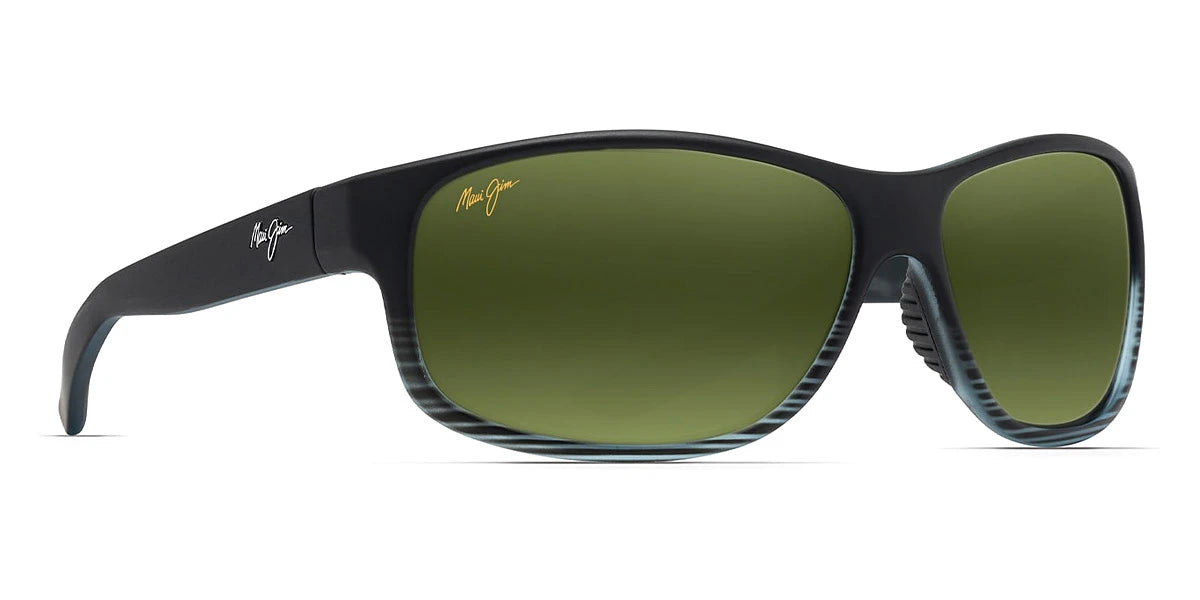
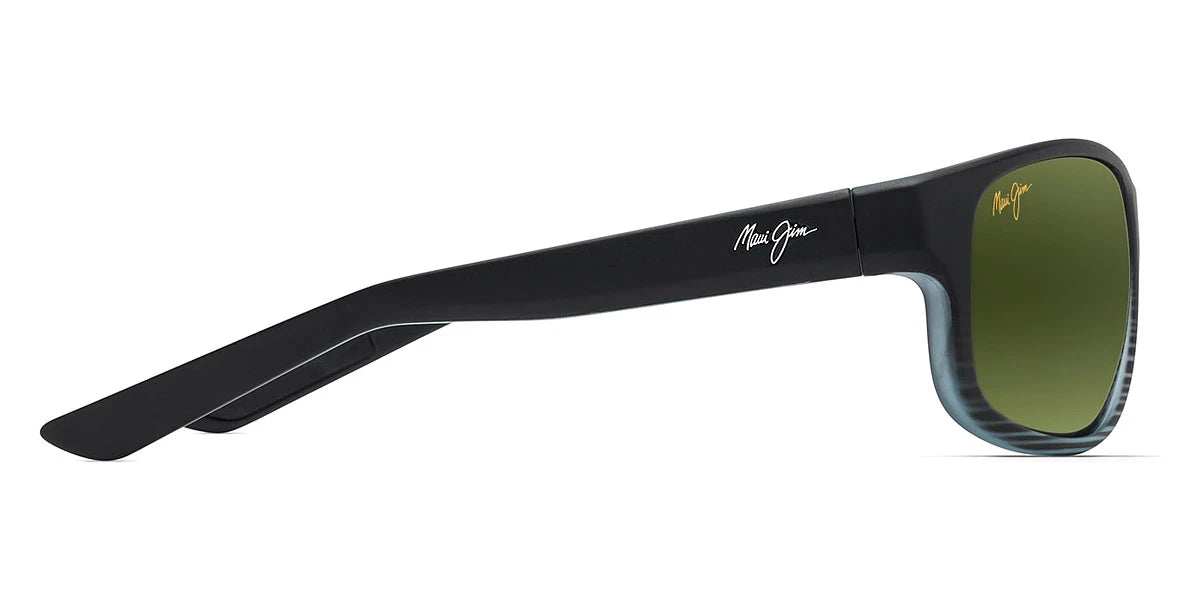
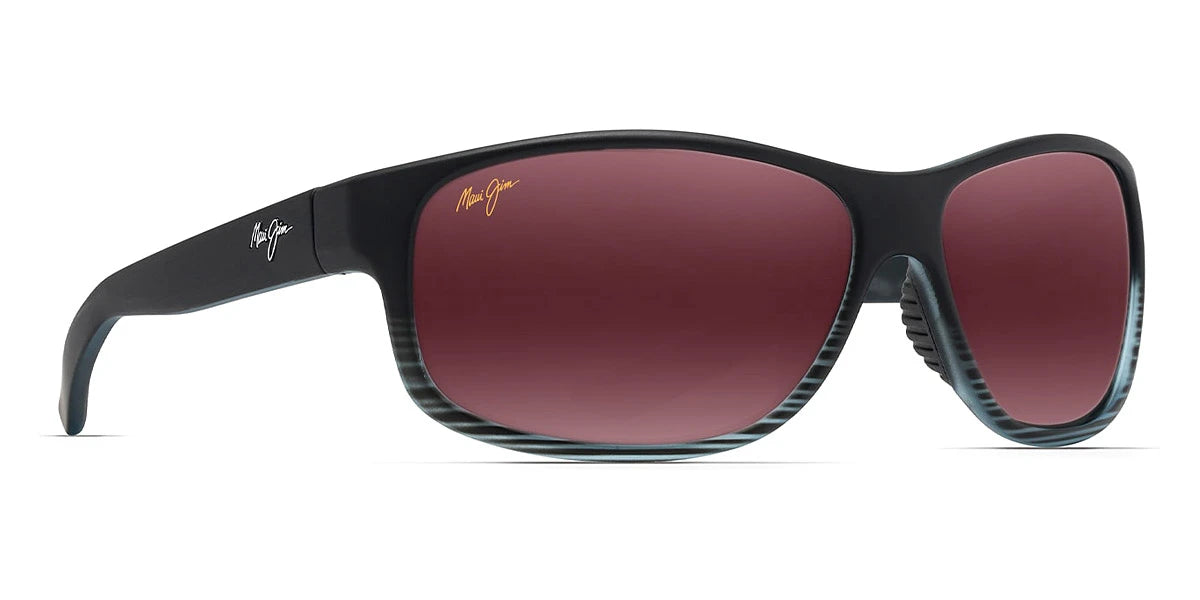
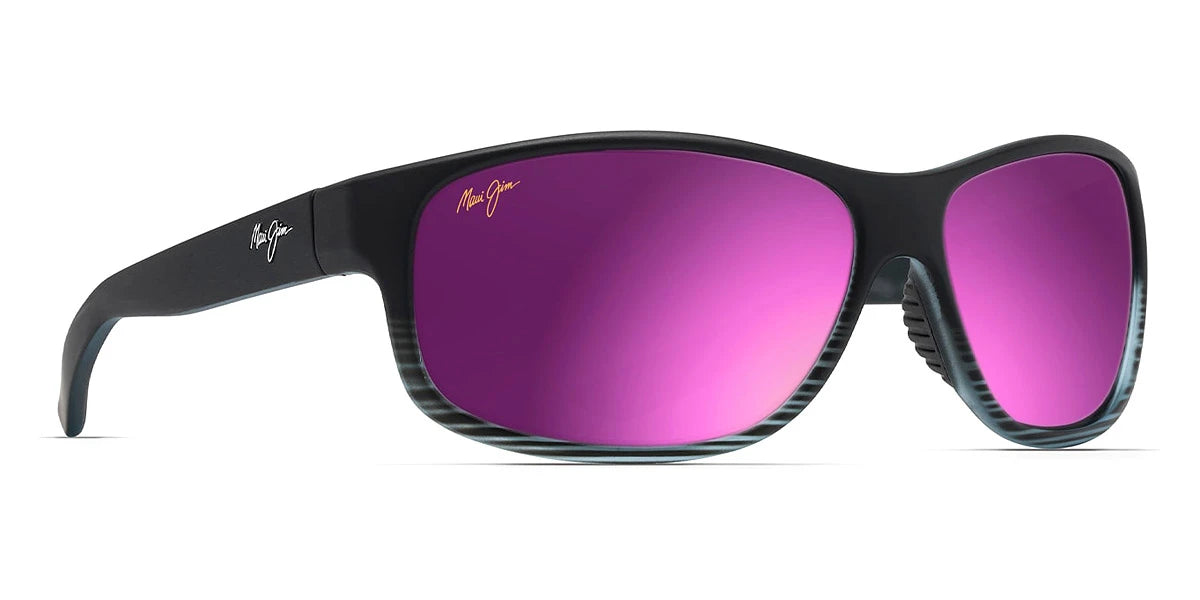
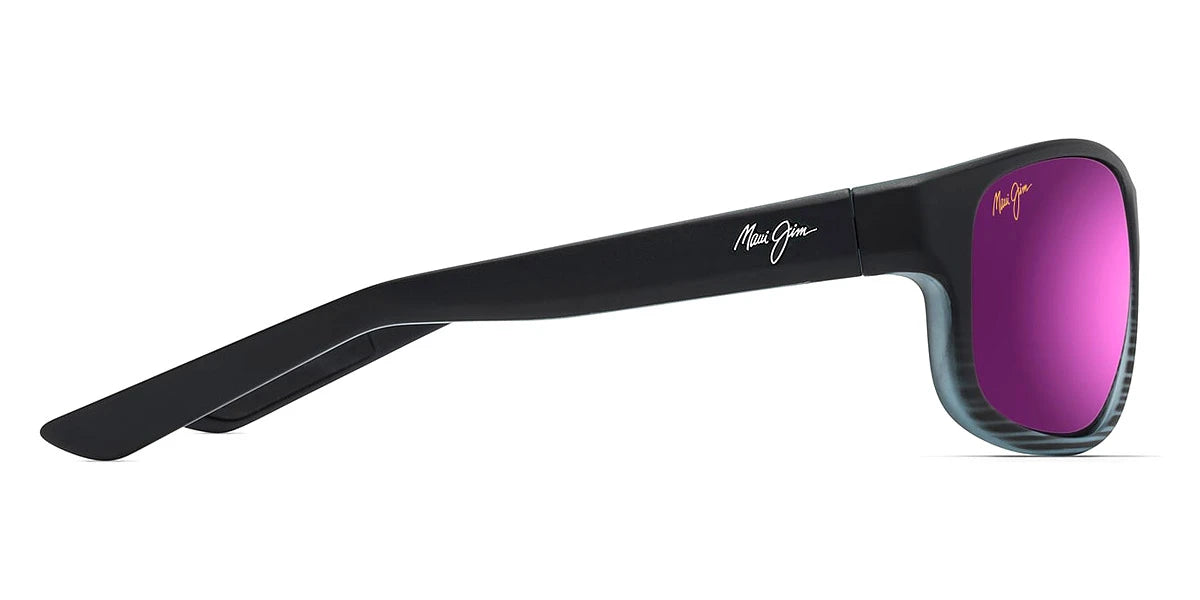
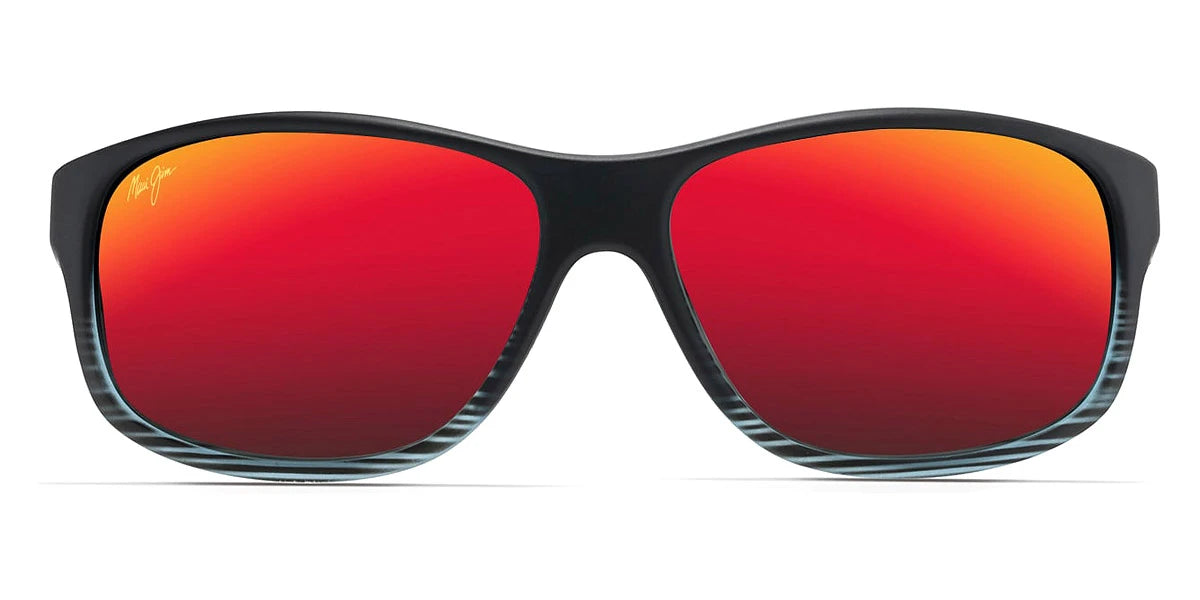
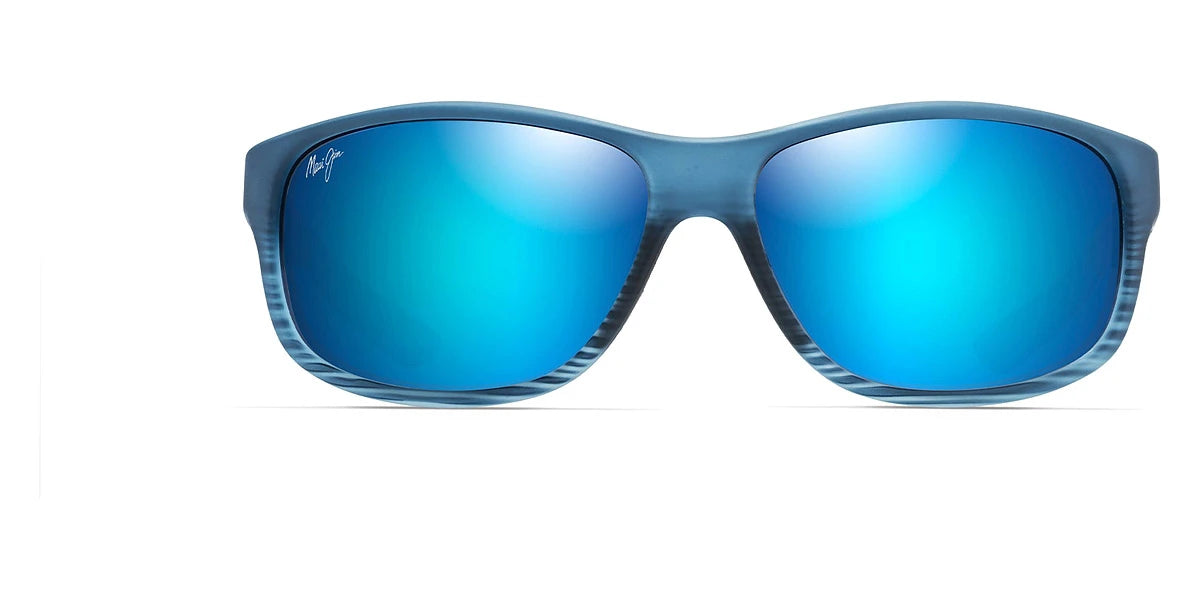
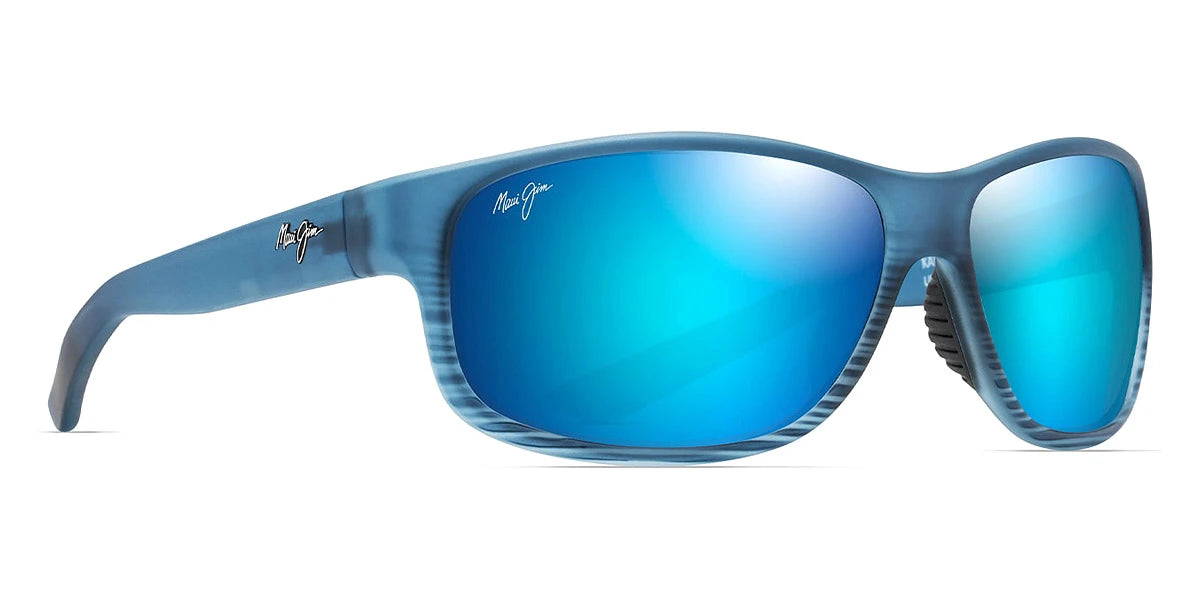
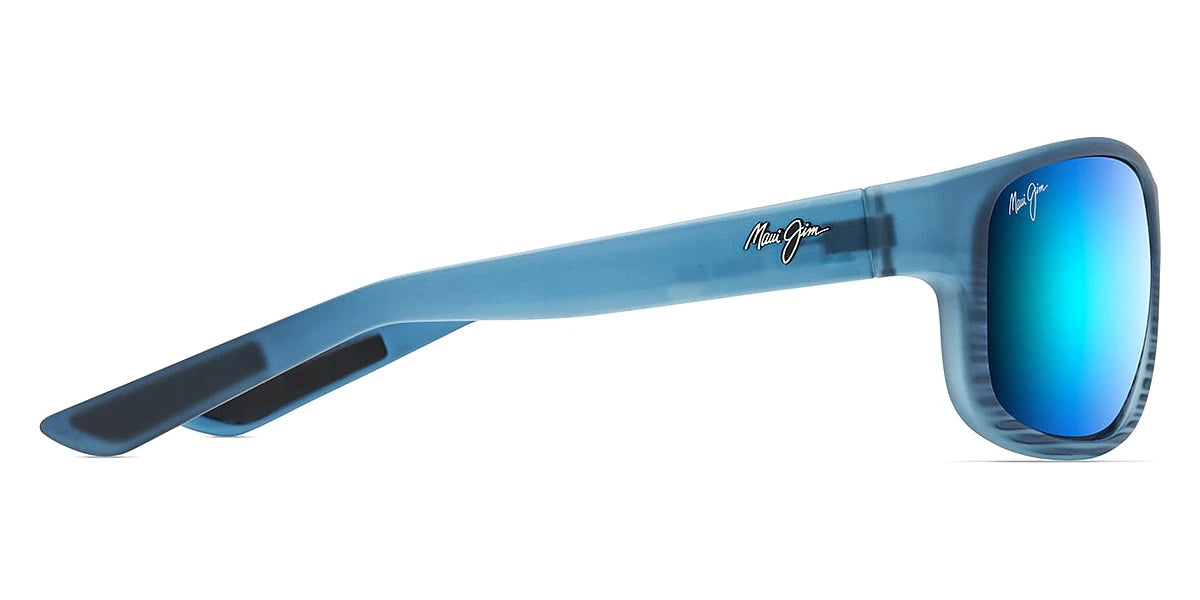
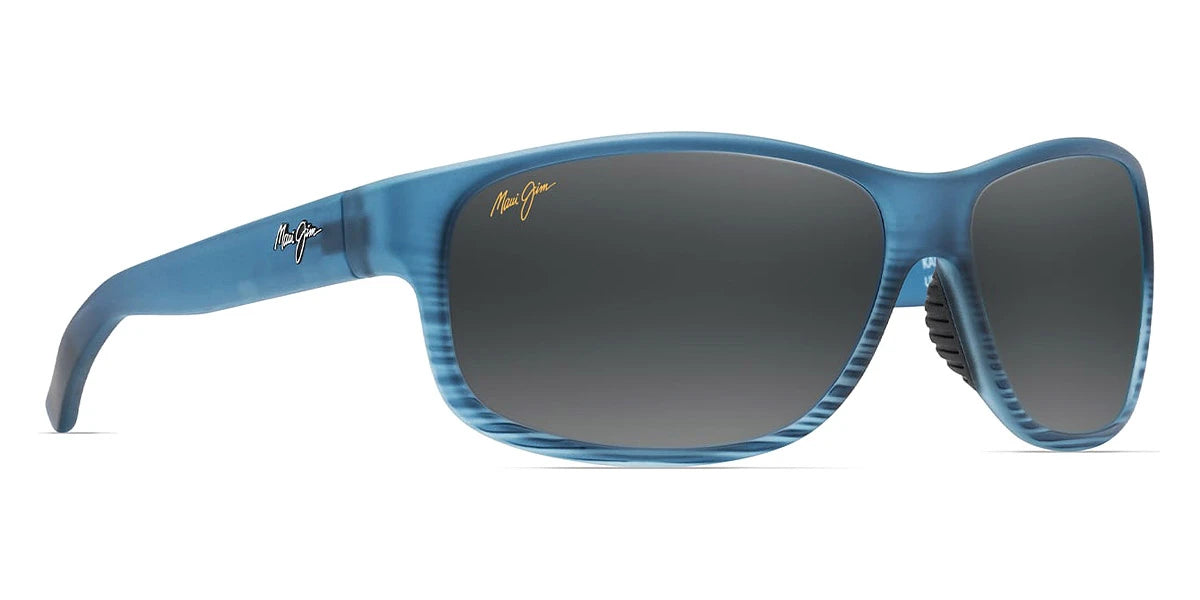
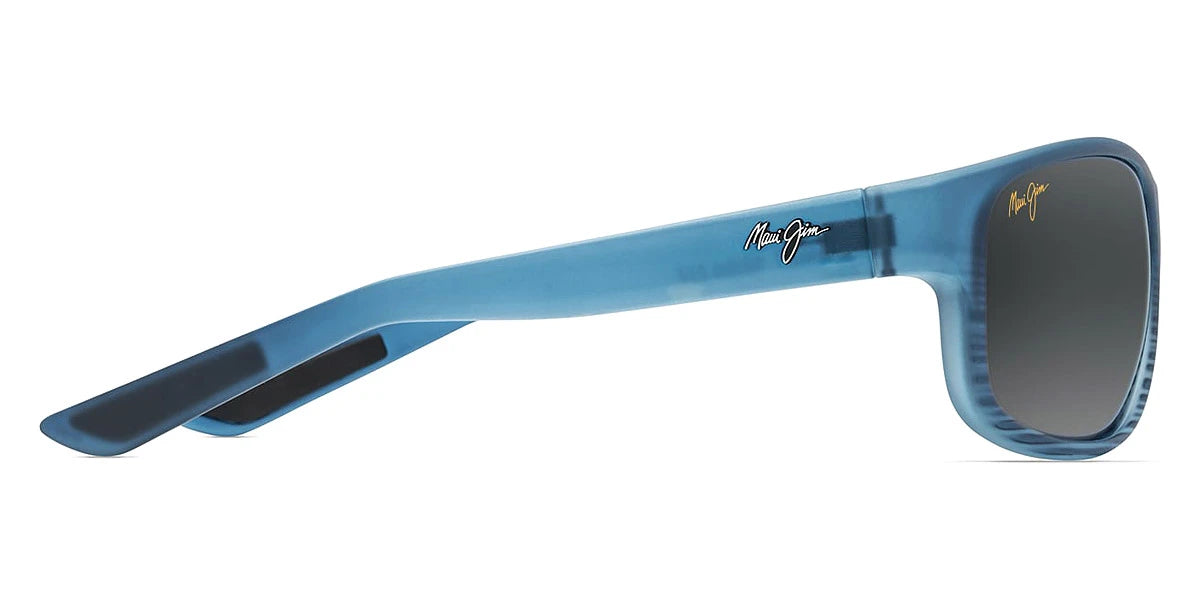
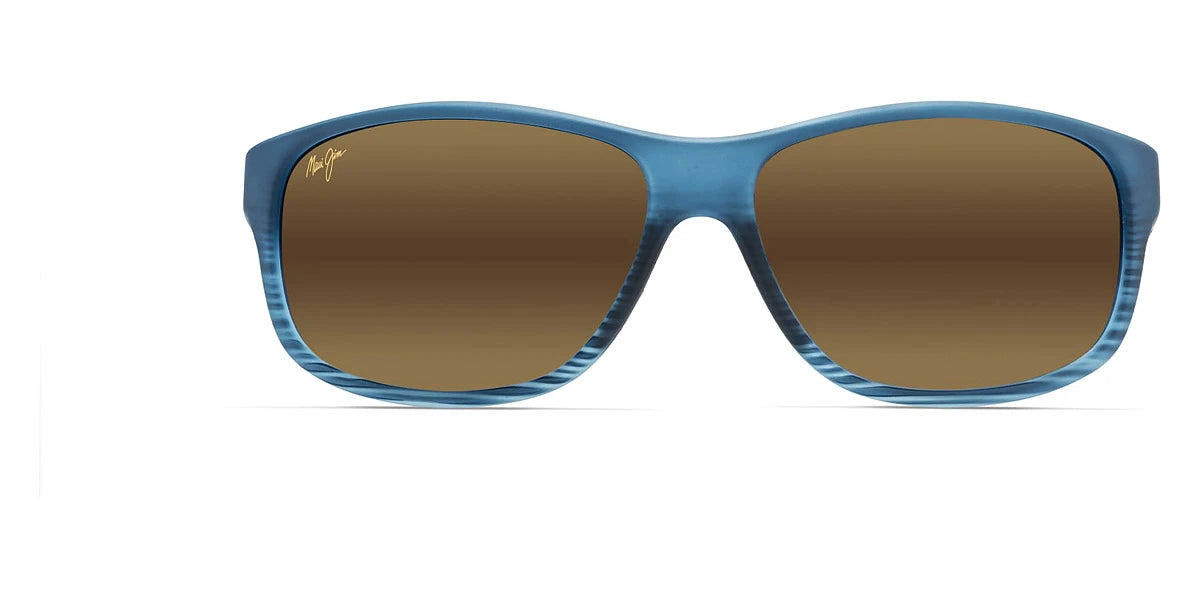
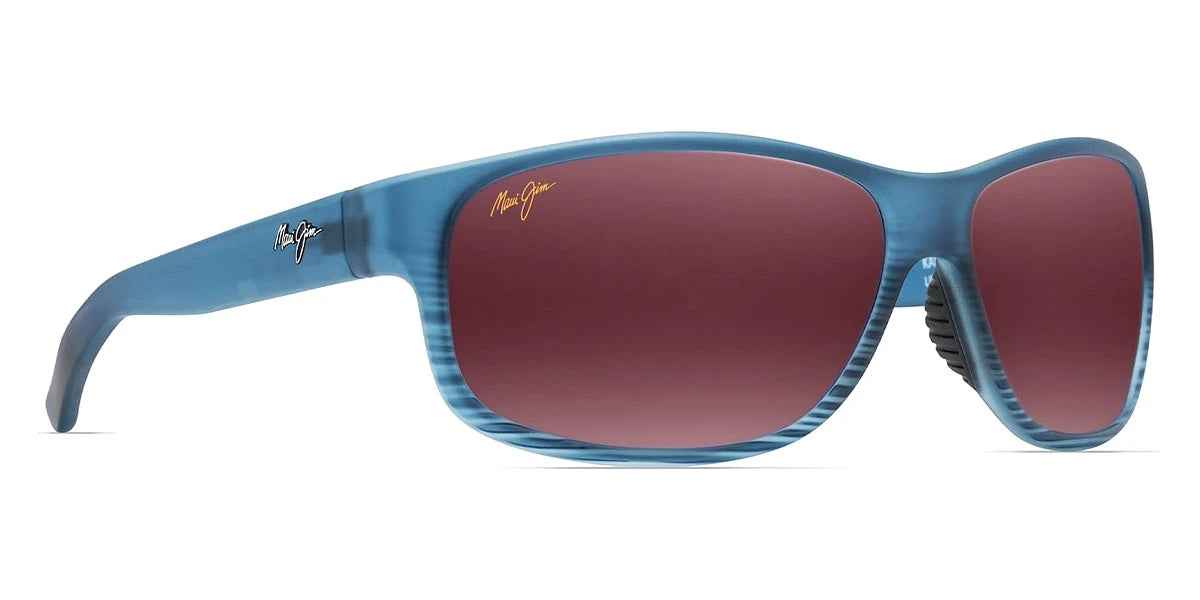
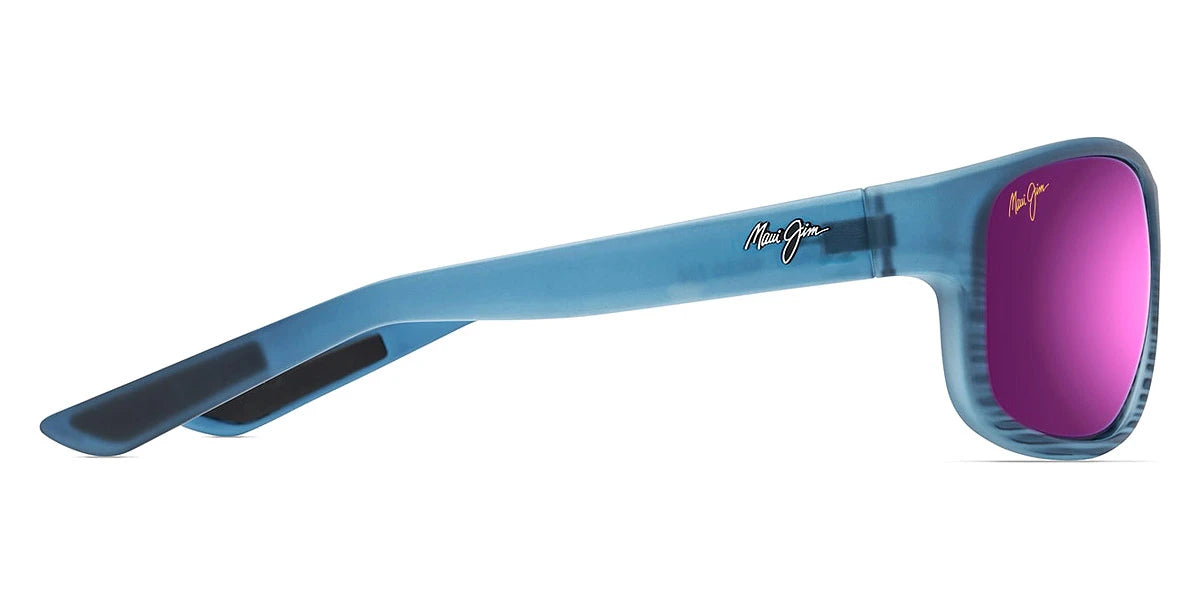
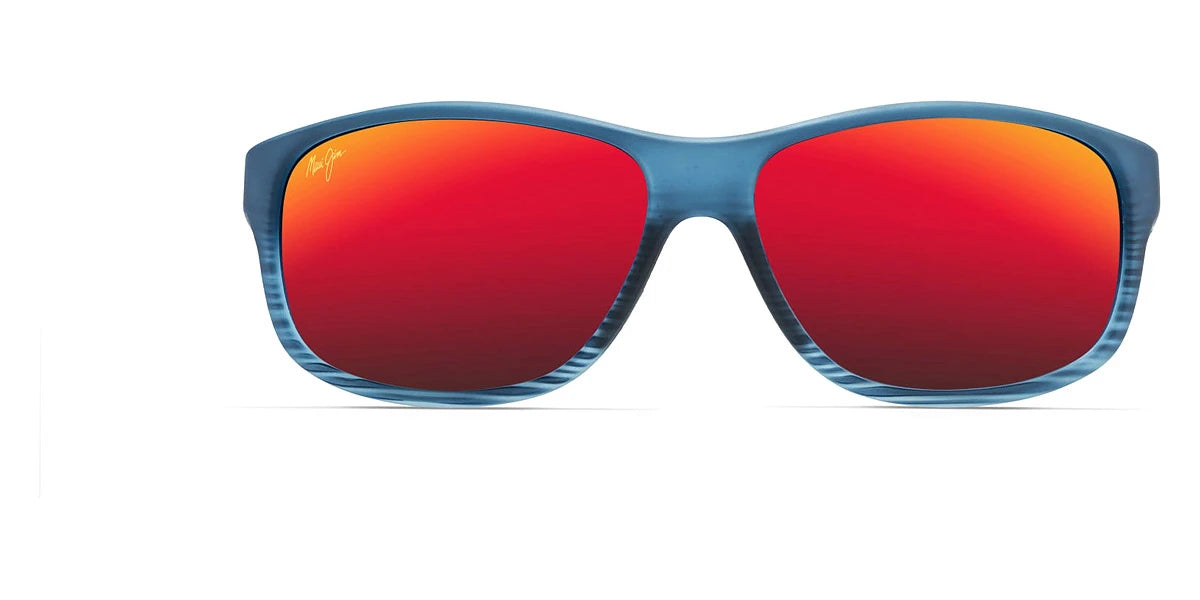
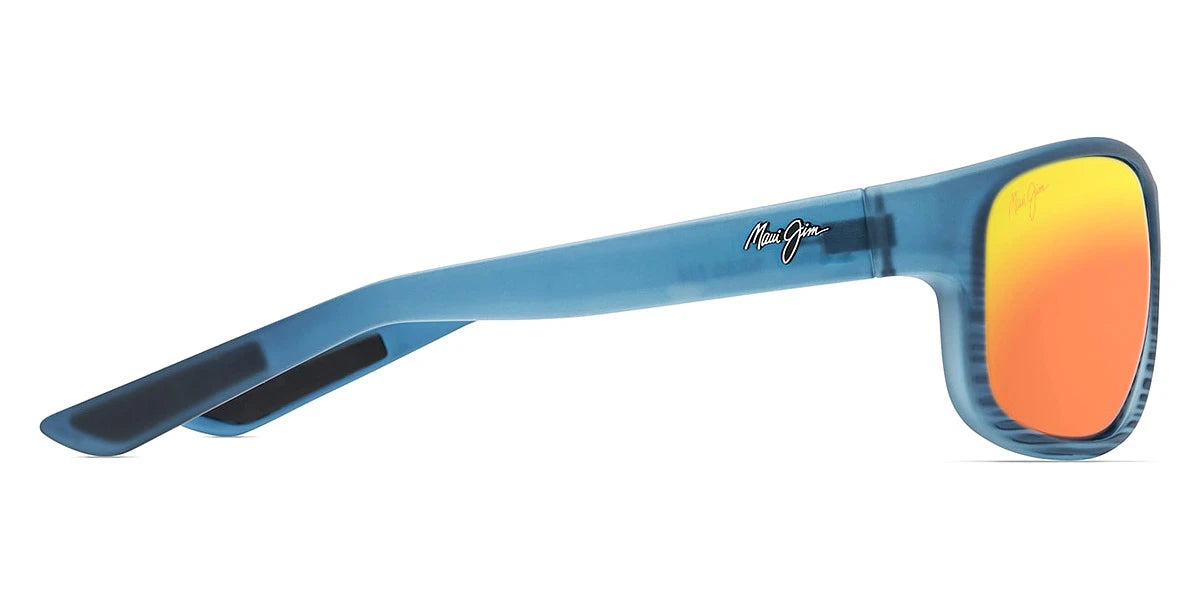
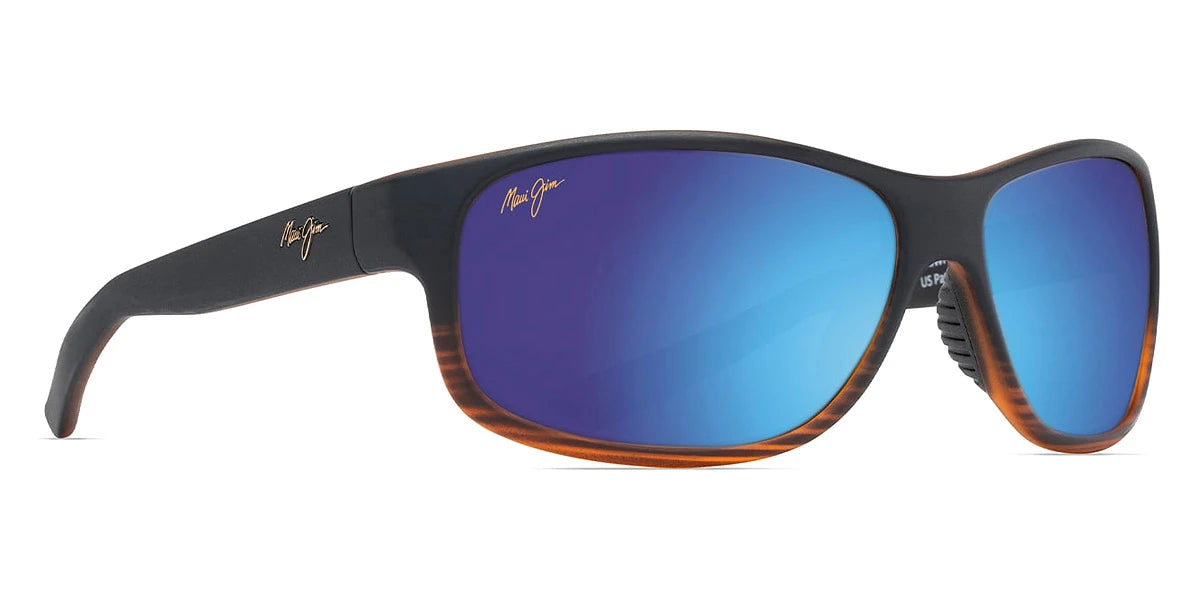
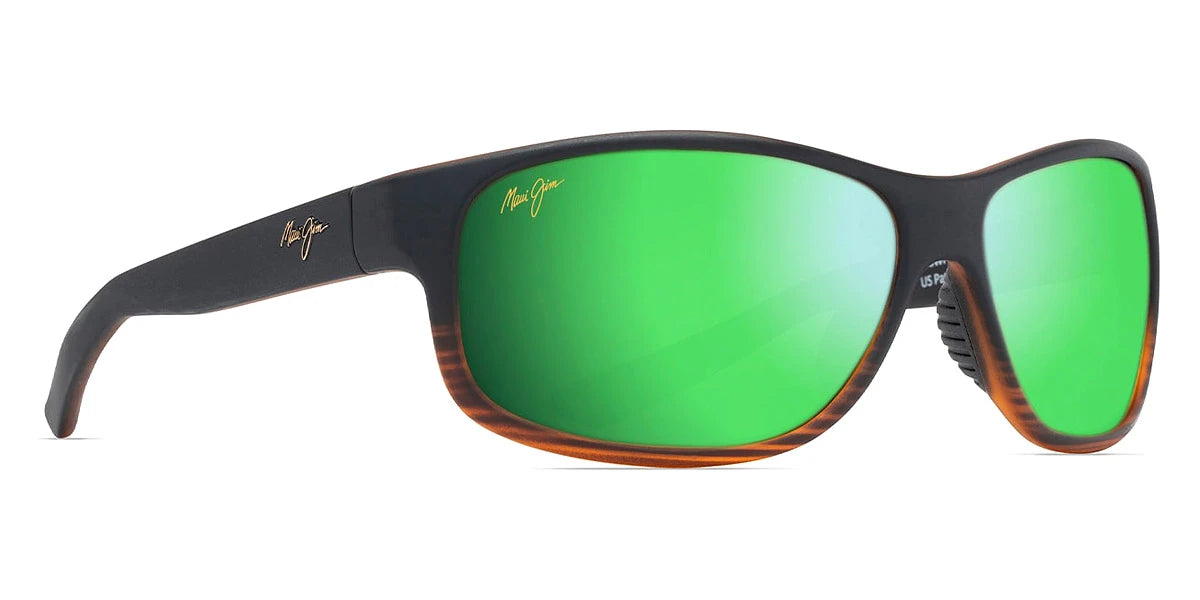
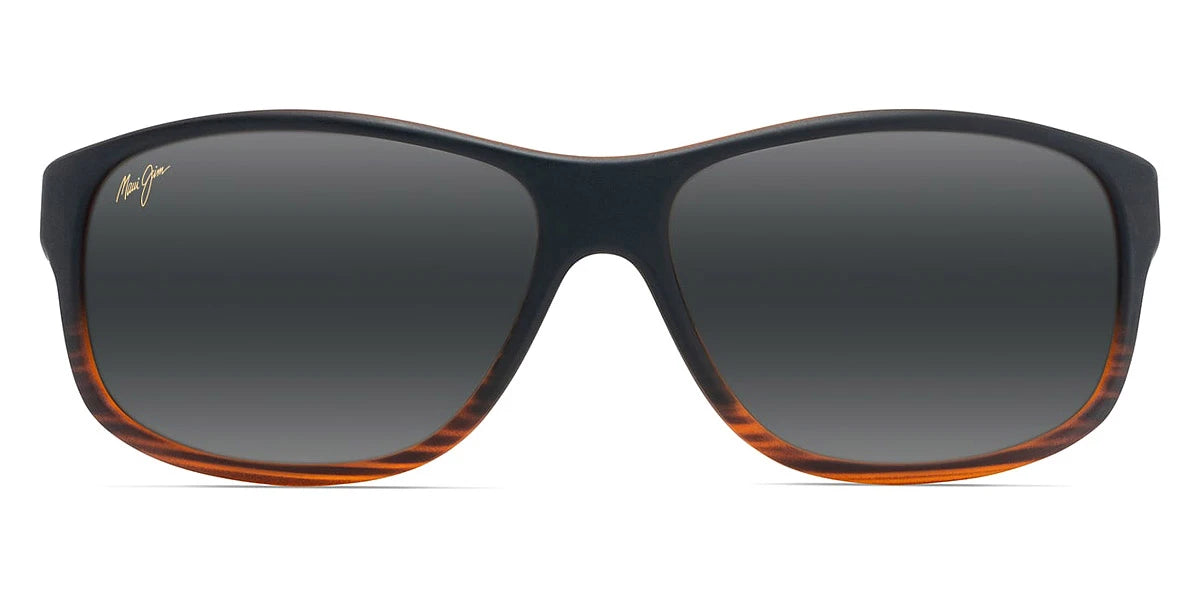
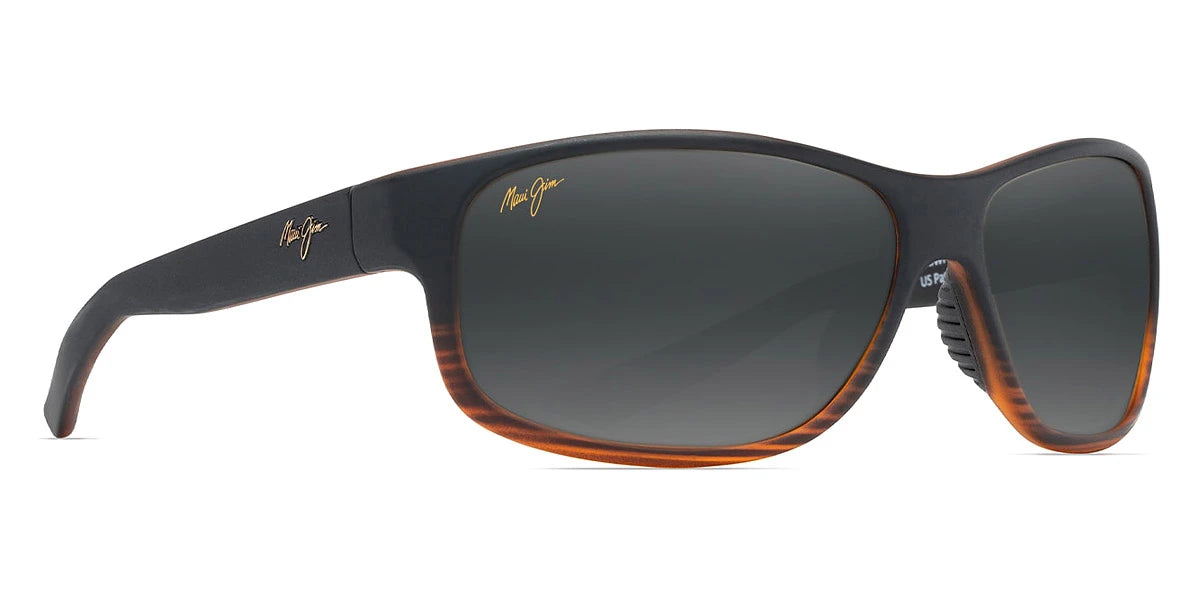
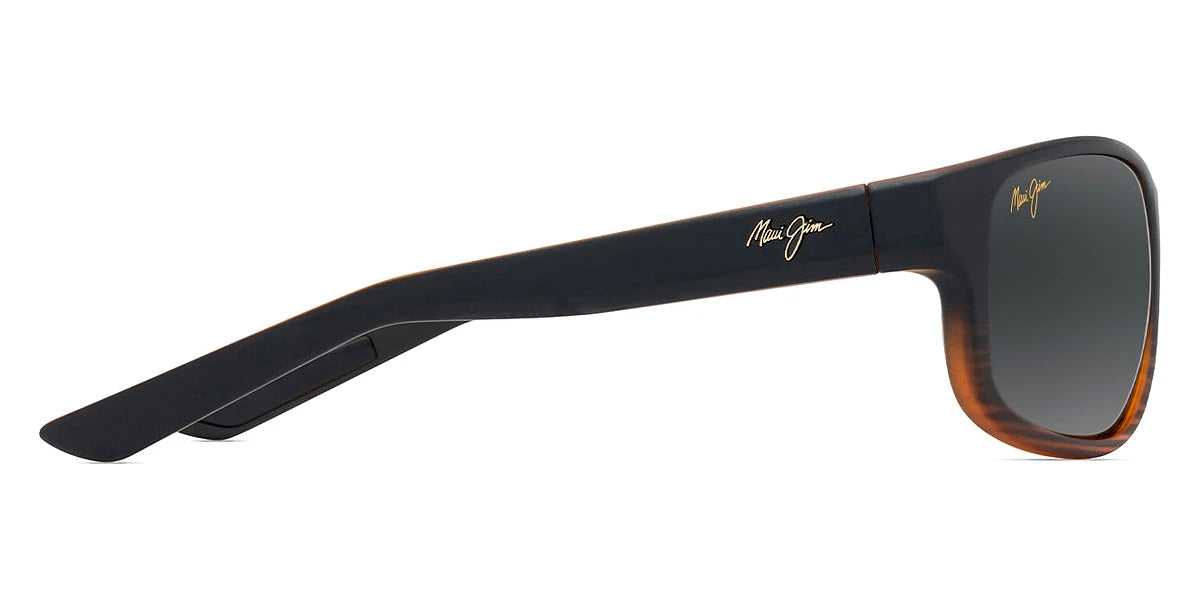
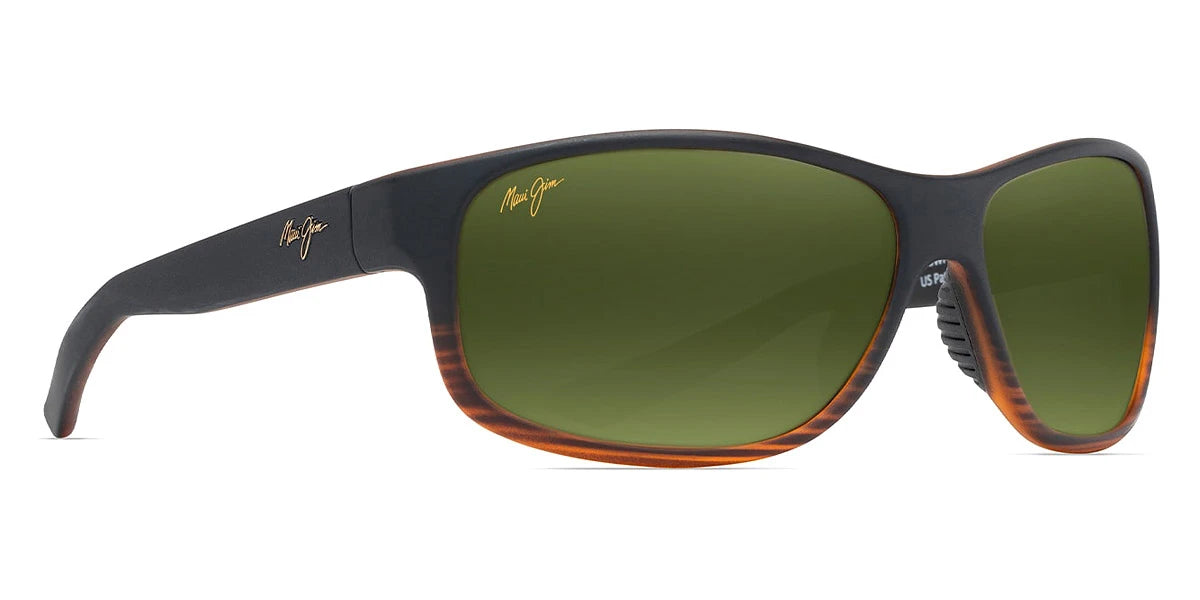
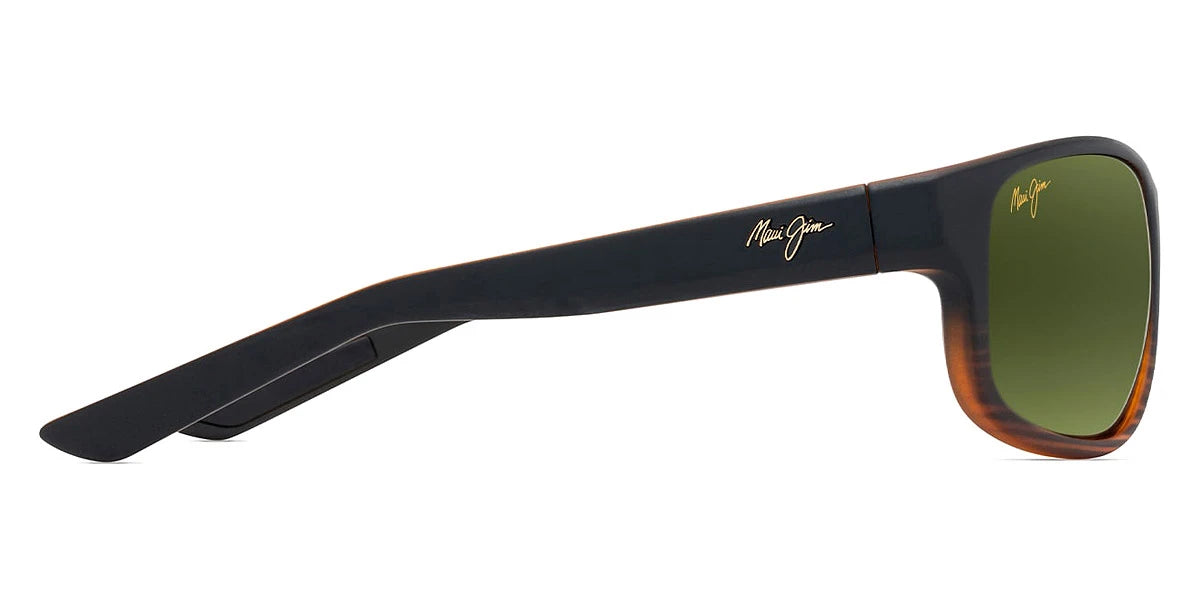
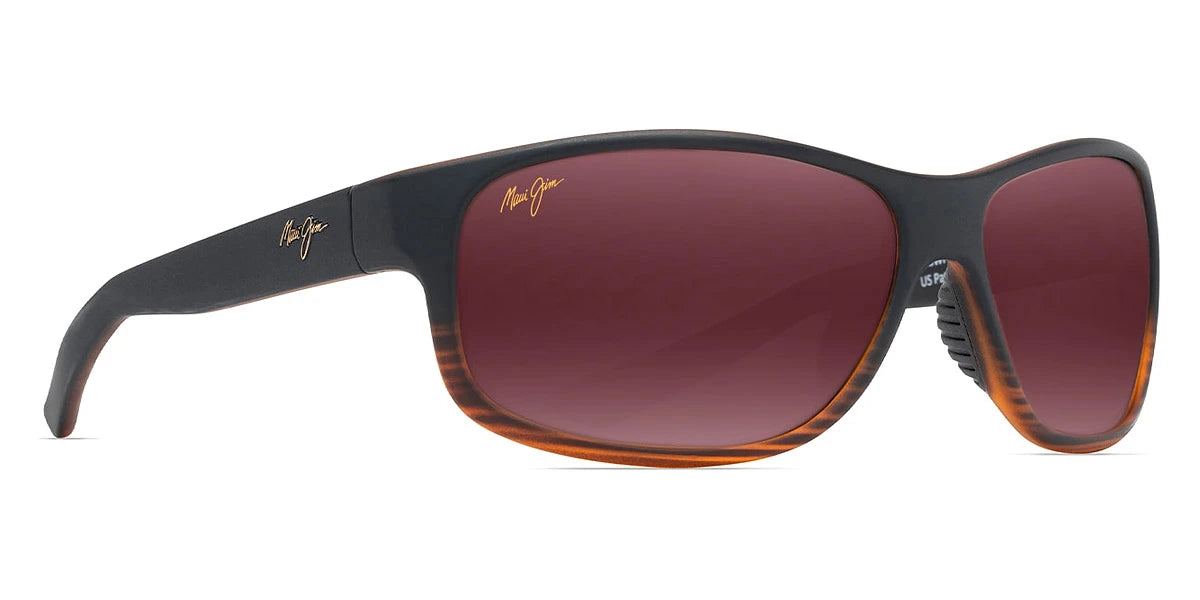
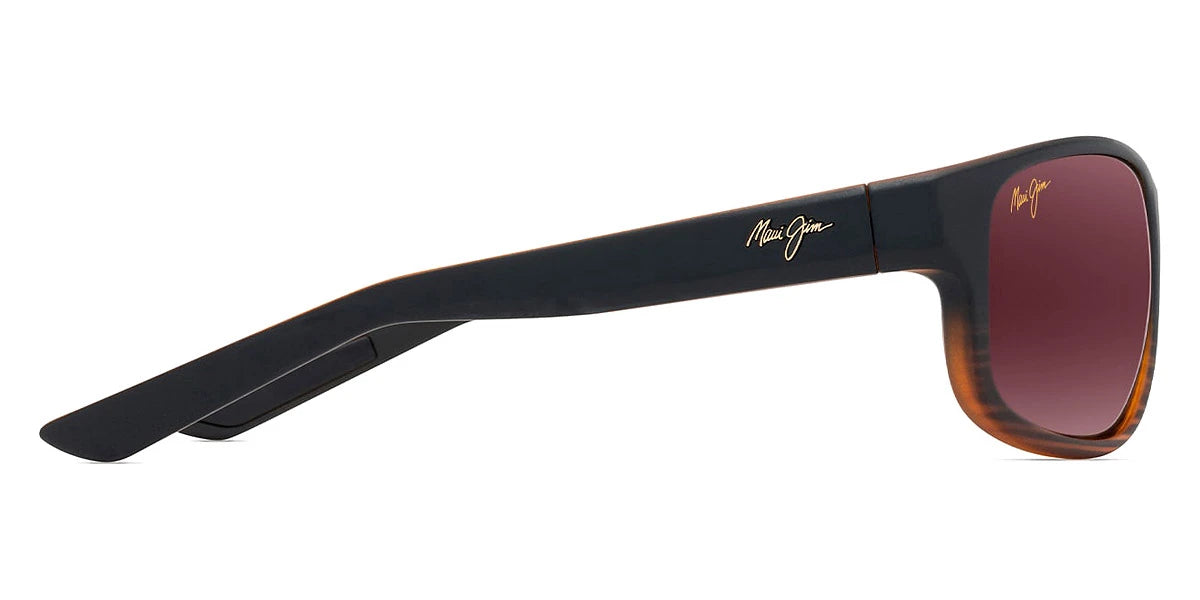
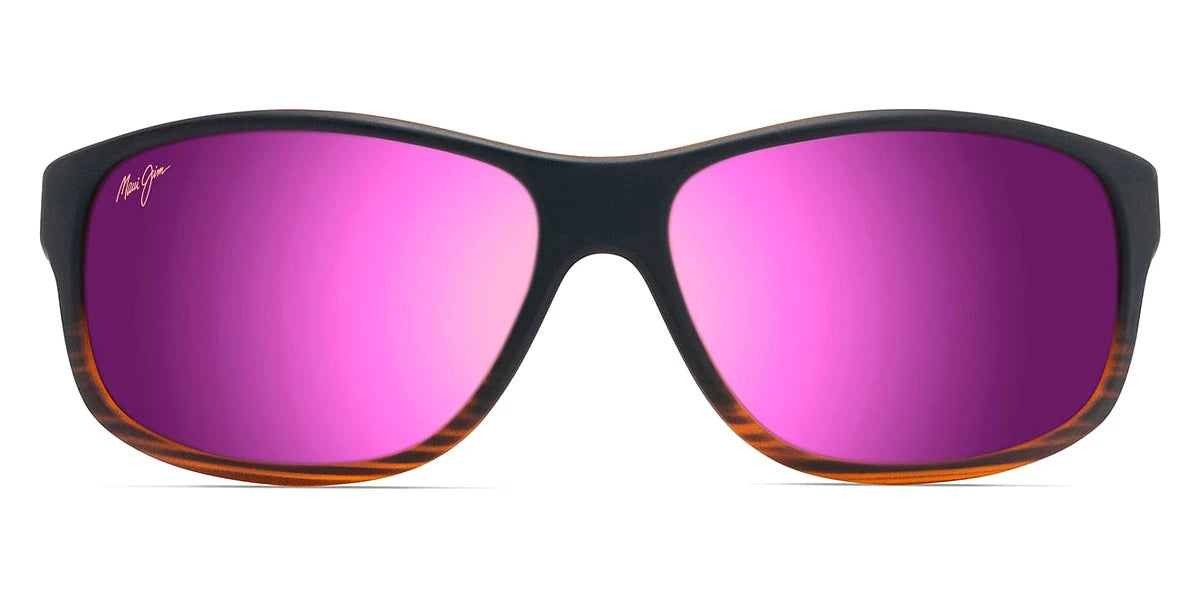
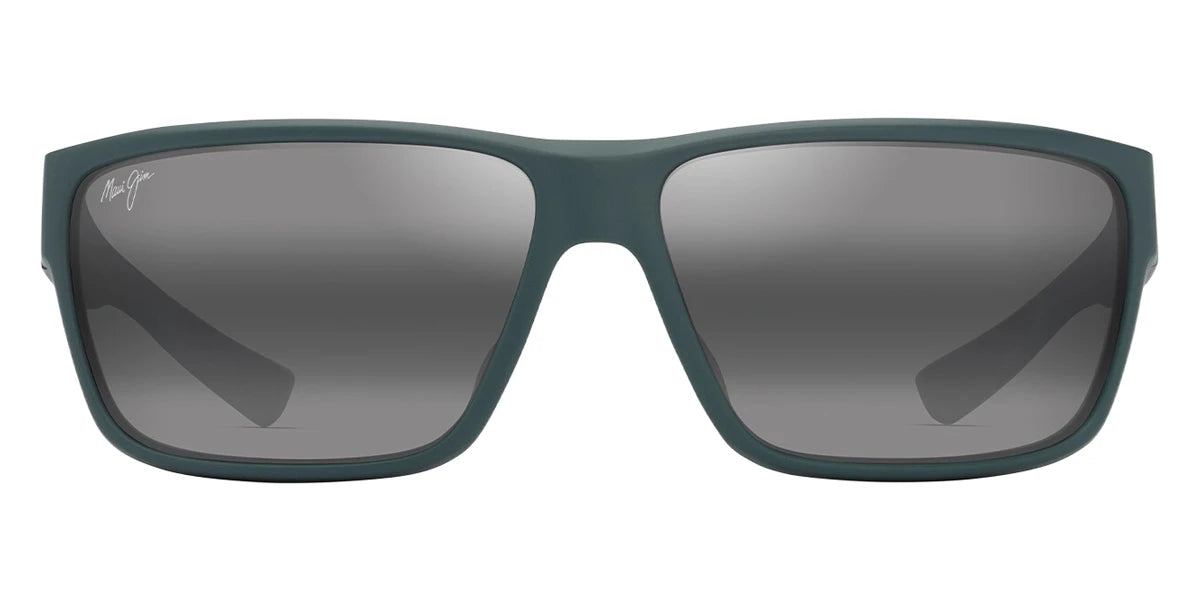
Maui Jim - KAIWI CHANNEL
Regular priceFrom
$289.00
Gray Black Stripe / Blue Hawaii
Gray Black Stripe / MAUI Green®
Gray Black Stripe / HCL® Bronze
Gray Black Stripe / Maui HT™
Gray Black Stripe / Maui Rose®
Gray Black Stripe / MAUI Sunrise
Gray Black Stripe / HAWAII LAVA™
Blue Black Stripe / Blue Hawaii
Blue Black Stripe / MAUI Green®
Blue Black Stripe / Neutral Gray
Blue Black Stripe / HCL® Bronze
Blue Black Stripe / Maui HT™
Blue Black Stripe / Maui Rose®
Blue Black Stripe / MAUI Sunrise
Blue Black Stripe / HAWAII LAVA™
Dark Brown Stripe / Blue Hawaii
Dark Brown Stripe / MAUI Green®
Dark Brown Stripe / Neutral Gray
Dark Brown Stripe / Maui HT™
Dark Brown Stripe / Maui Rose®
Dark Brown Stripe / MAUI Sunrise
Dark Brown Stripe / HAWAII LAVA™
+ 19 more
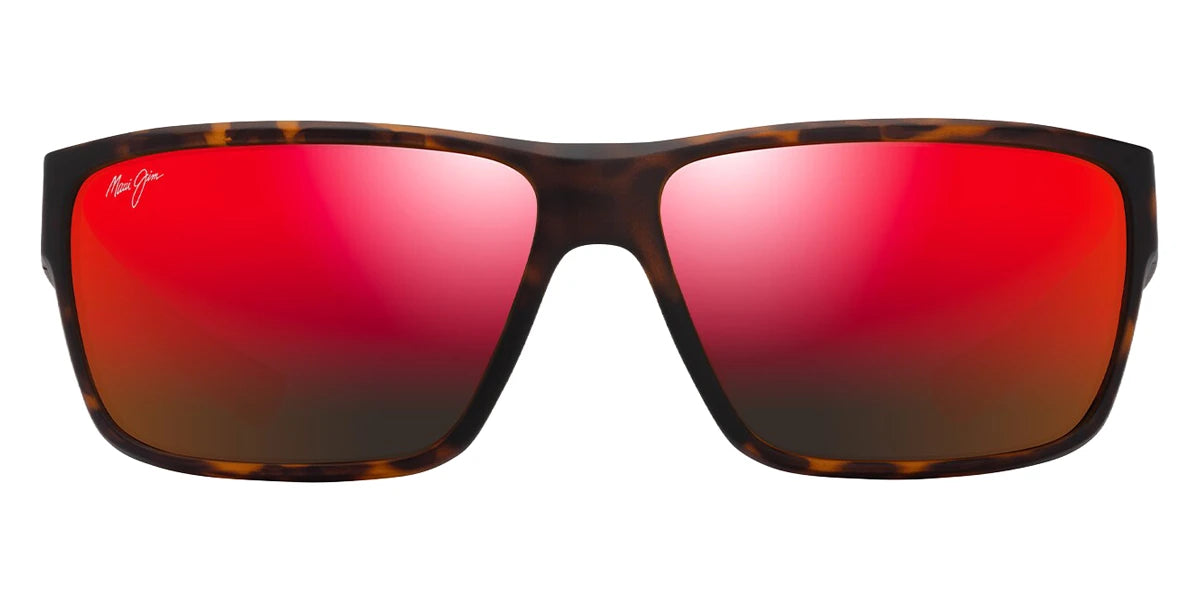
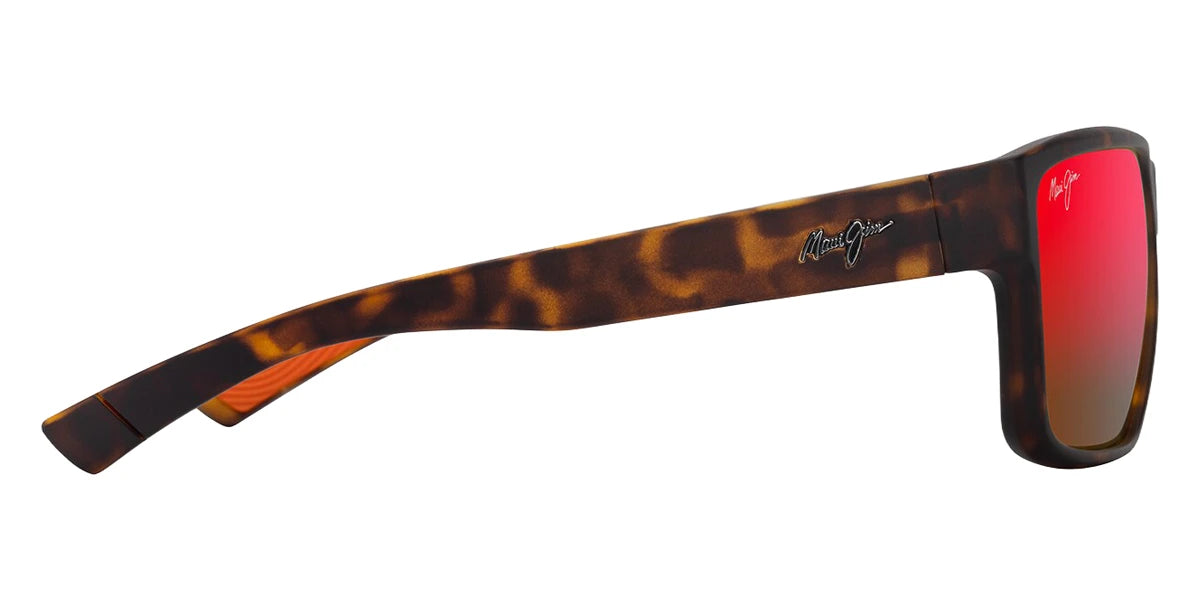
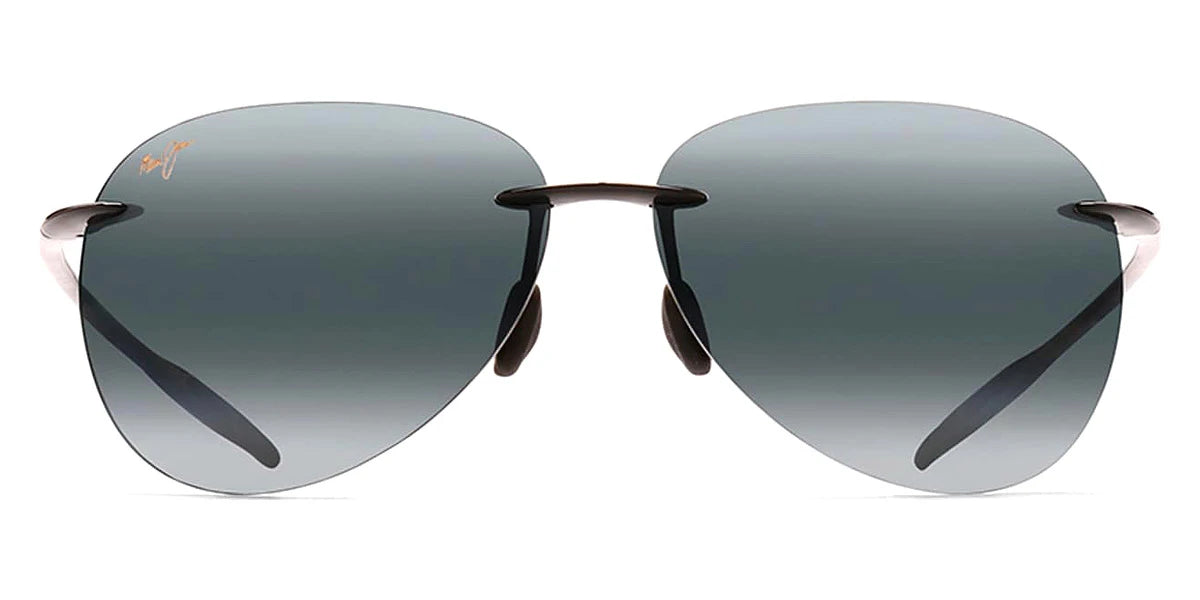
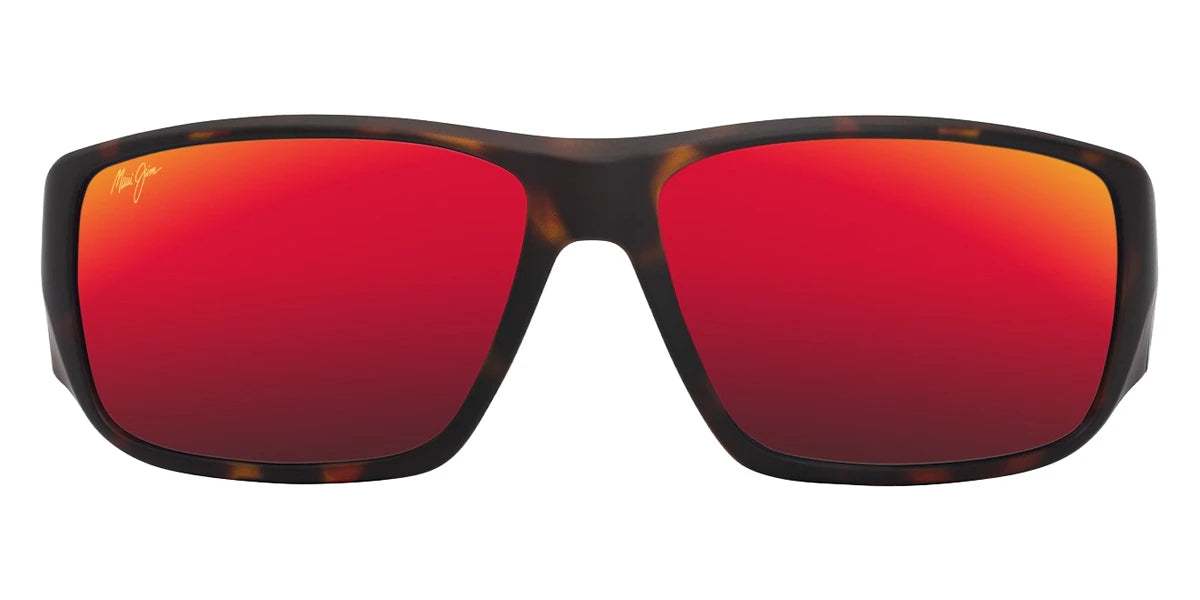
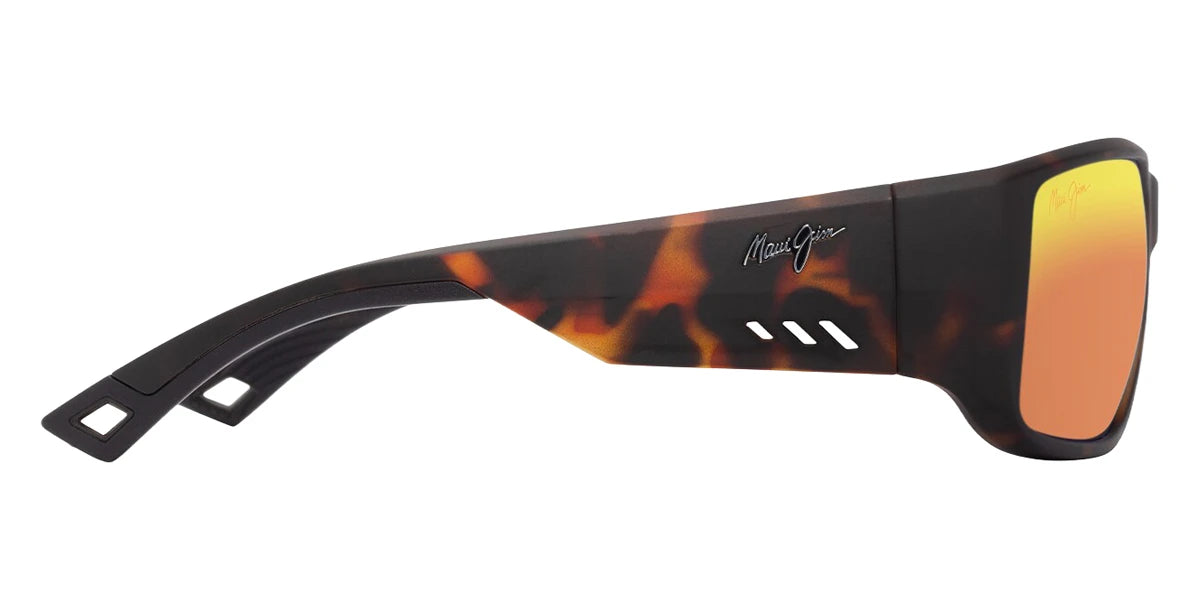
Maui Jim - UILA
Regular price
$309.00
Matte Dark Havana with Orange / HAWAII LAVA™
Matte Dark Havana with Orange / MAUI Sunrise
Matte Dark Havana with Orange / Maui Rose®
Matte Dark Havana with Orange / Maui HT™
Matte Dark Havana with Orange / HCL® Bronze
Matte Dark Havana with Orange / Neutral Gray
Matte Dark Havana with Orange / MAUIGreen®
Matte Dark Havana with Orange / Blue Hawaii
Matte Dark Havana with Black / HAWAII LAVA™
Matte Dark Havana with Black / MAUI Sunrise
Matte Dark Havana with Black / Maui Rose®
Matte Dark Havana with Black / Maui HT™
Matte Dark Havana with Black / HCL® Bronze
Matte Dark Havana with Black / Neutral Gray
Matte Dark Havana with Black / MAUIGreen®
Matte Dark Havana with Black / Blue Hawaii
Matte Black / HAWAII LAVA™
Matte Black / MAUI Sunrise
Matte Black / Maui Rose®
Matte Black / Maui HT™
Matte Black / HCL® Bronze
Matte Black / Neutral Gray
Matte Black / MAUIGreen®
Matte Black / Blue Hawaii
Matte Dark Military Green / HAWAII LAVA™
Matte Dark Military Green / MAUI Sunrise
Matte Dark Military Green / Maui Rose®
Matte Dark Military Green / Maui HT™
Matte Dark Military Green / HCL® Bronze
Matte Dark Military Green / Neutral Gray
Matte Dark Military Green / MAUIGreen®
Matte Dark Military Green / Blue Hawaii
+ 29 more
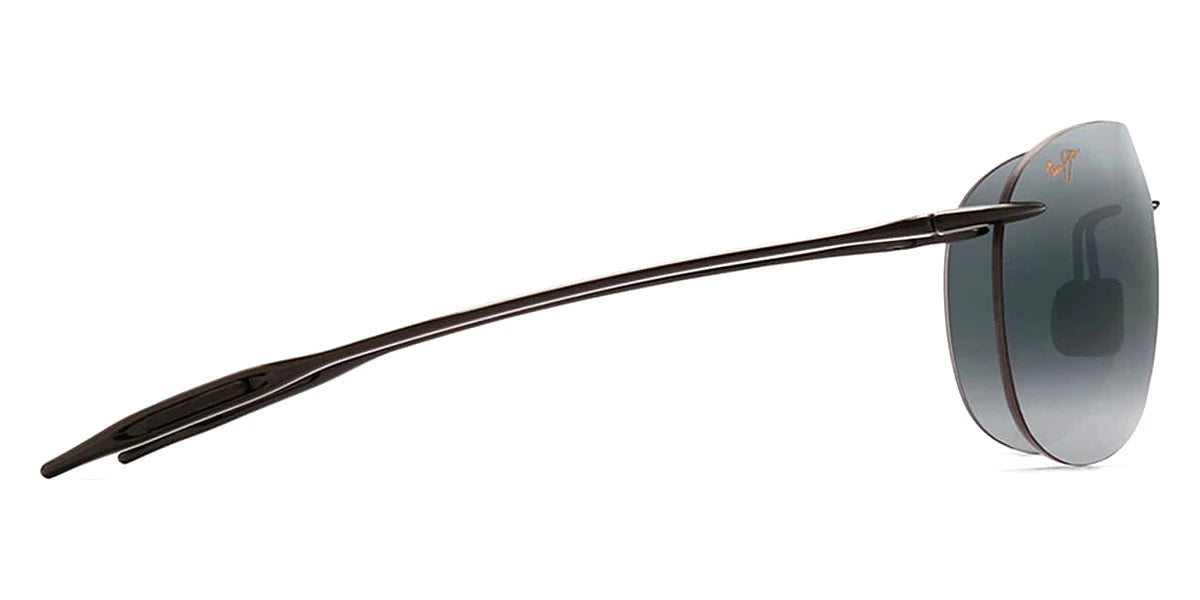
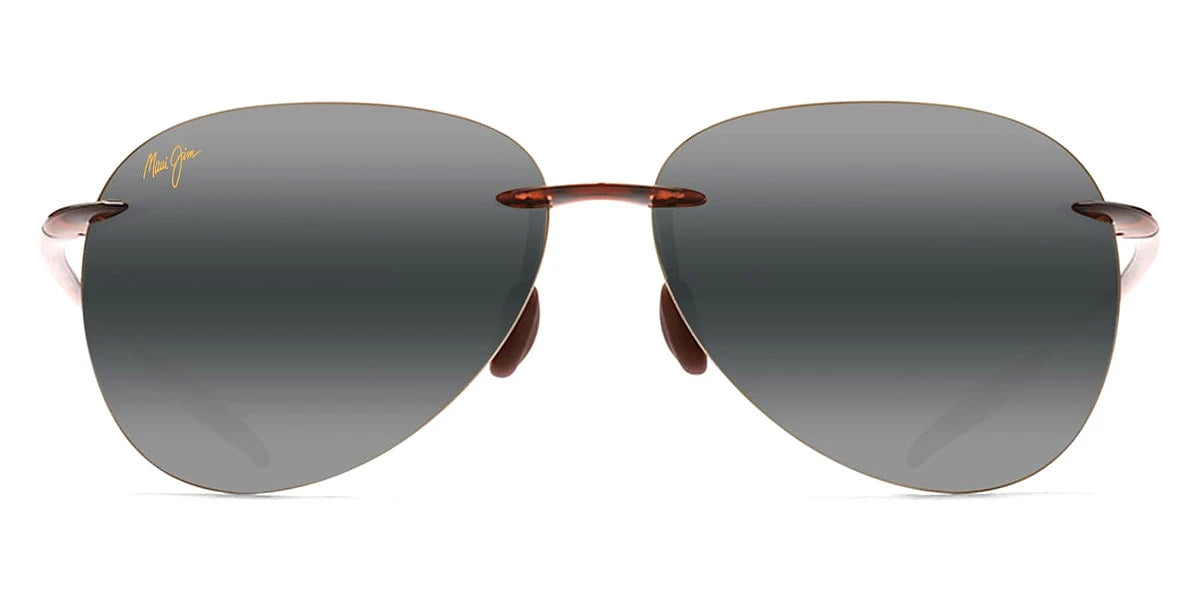
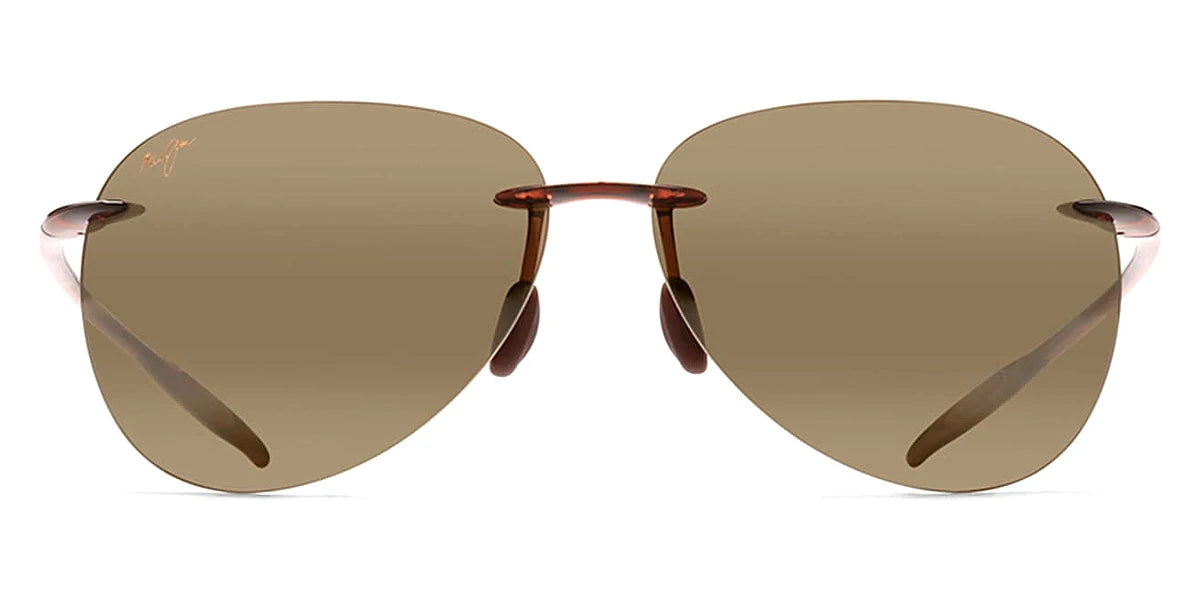
Maui Jim - SUGAR BEACH
Regular price
$199.00
Gloss Black / Neutral Gray
Gloss Black / HCL® Bronze
Rootbeer / Neutral Gray
Rootbeer / HCL® Bronze
+ 1 more
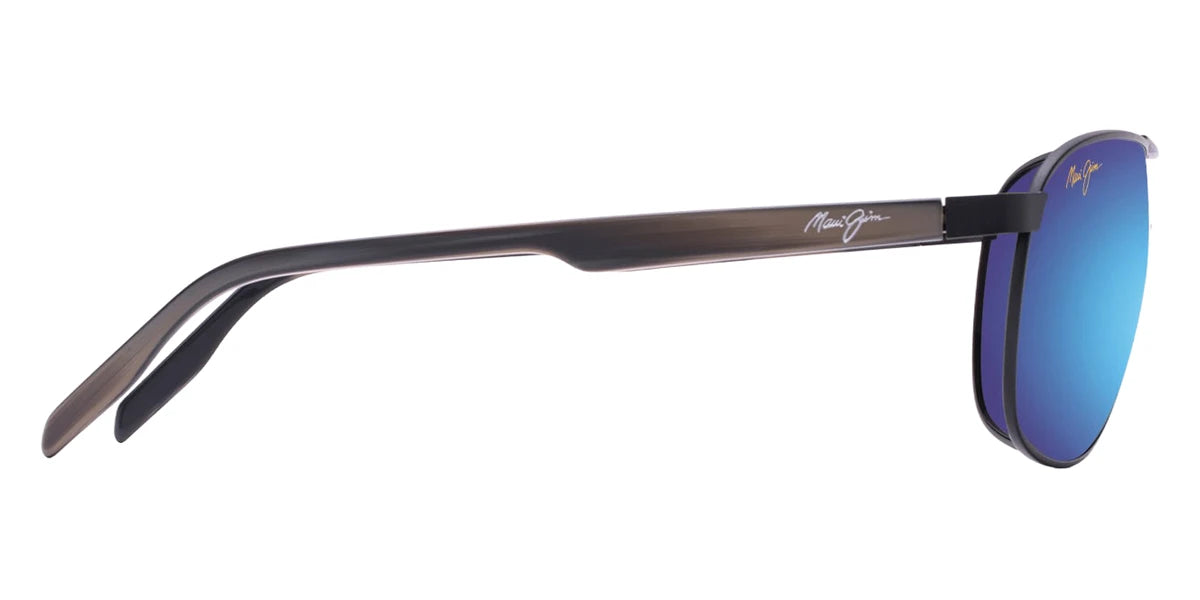
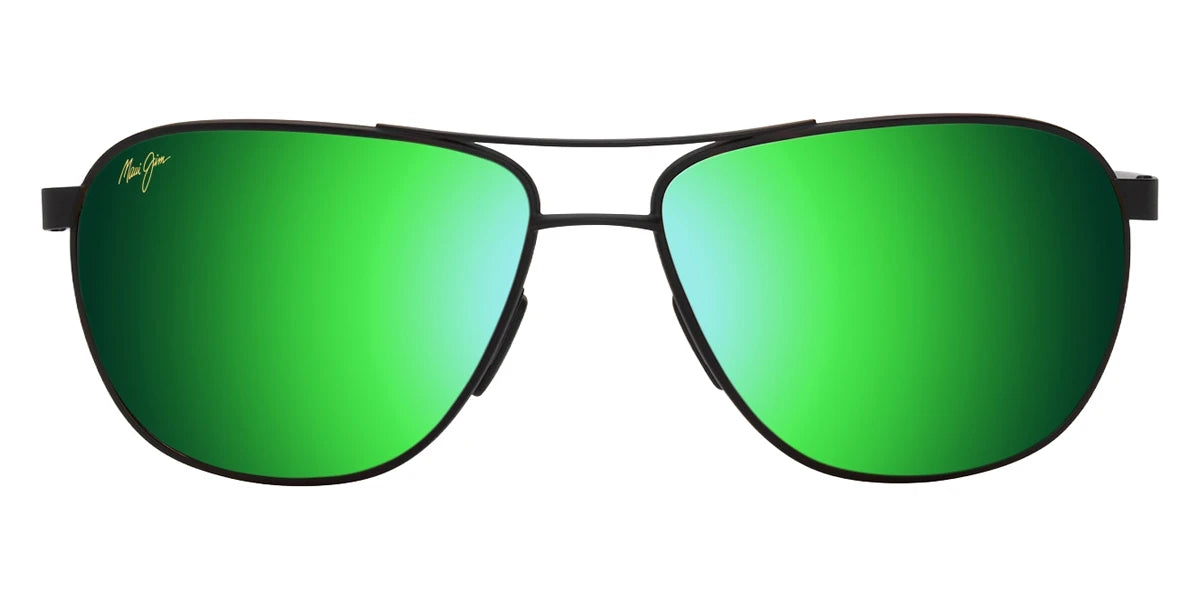
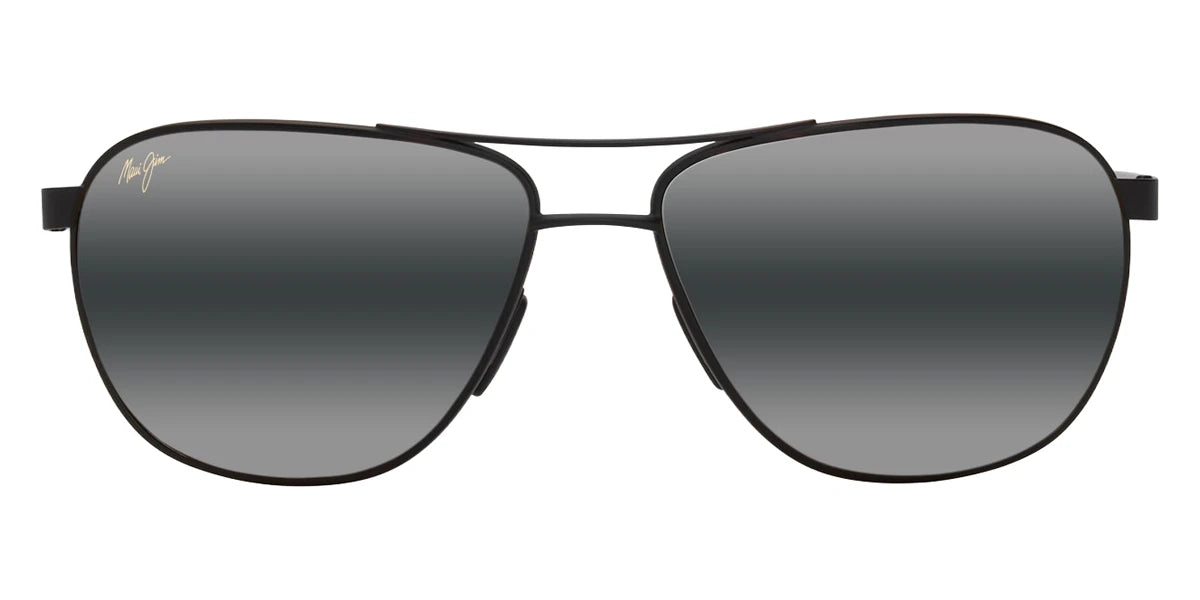
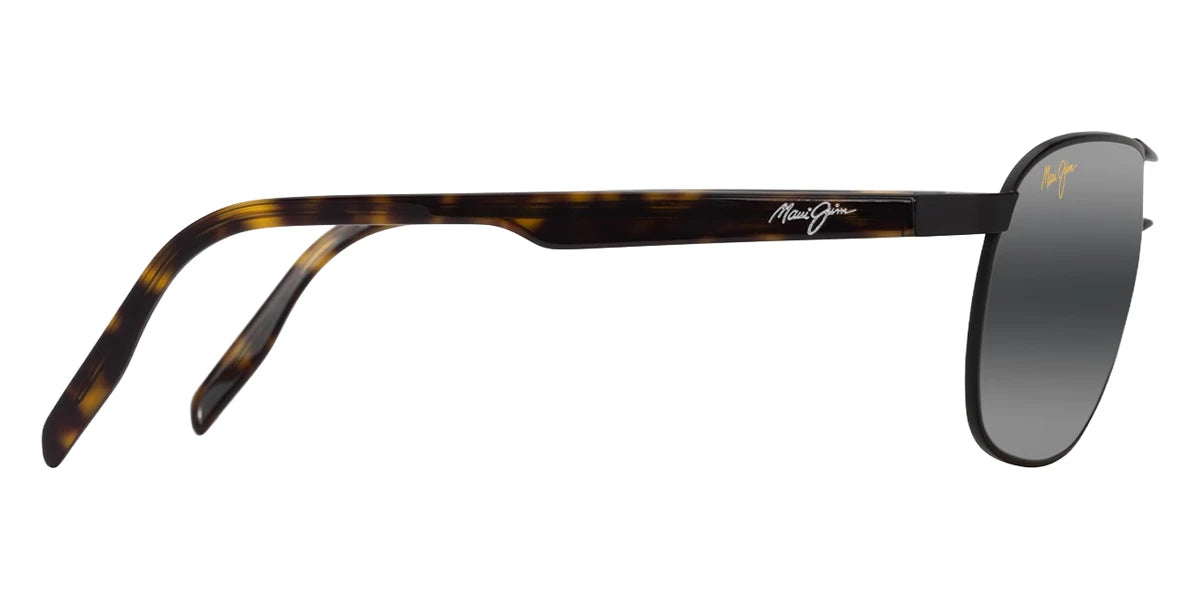
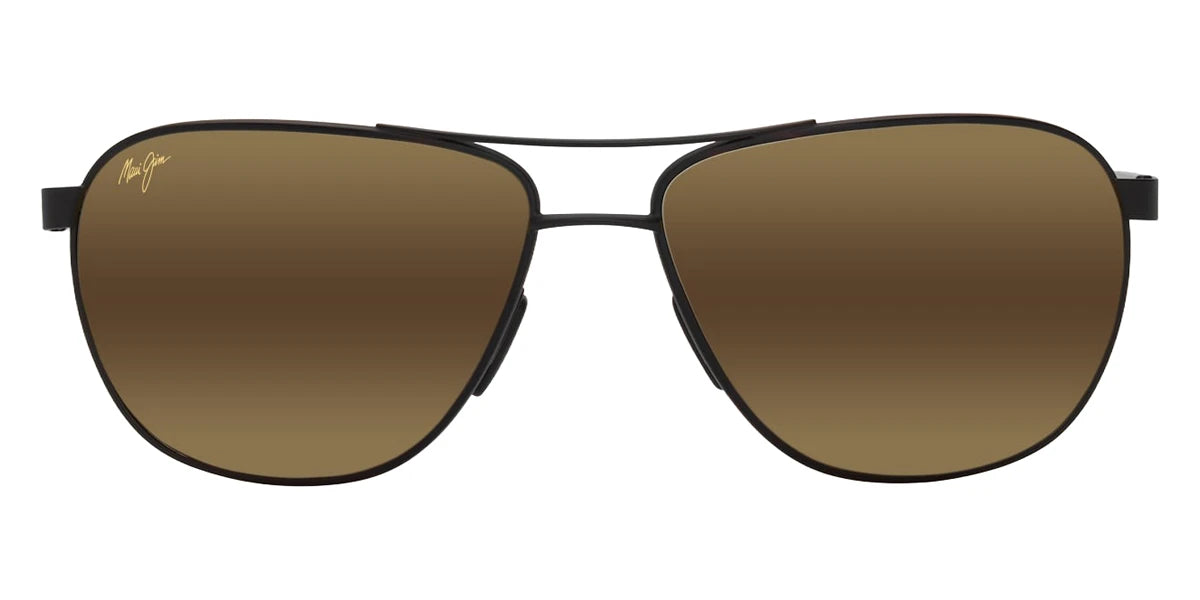
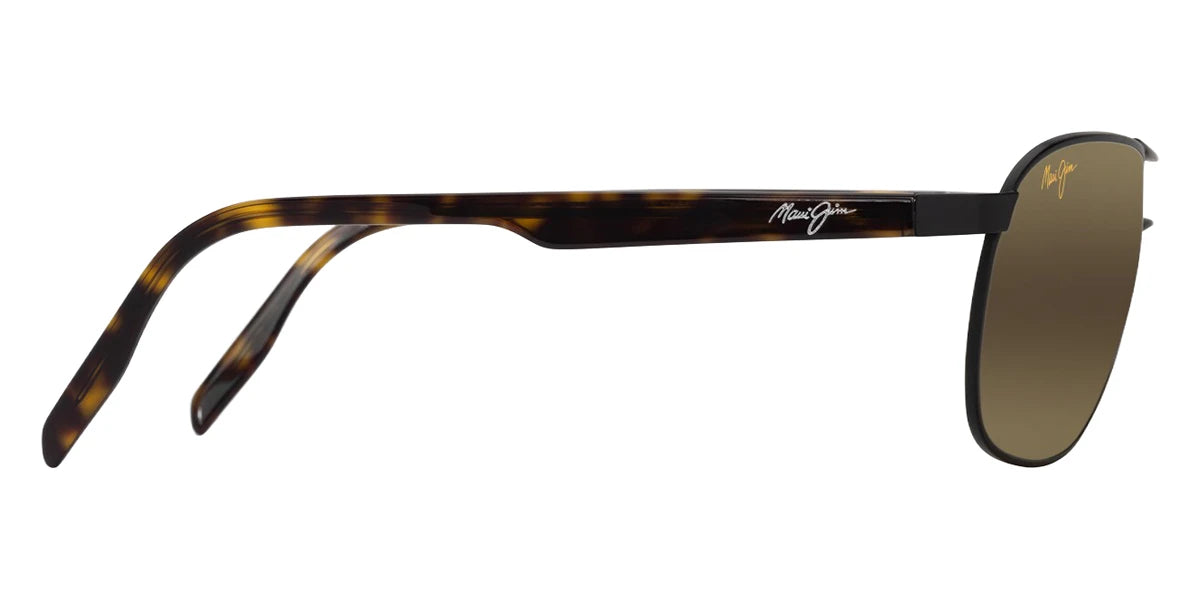
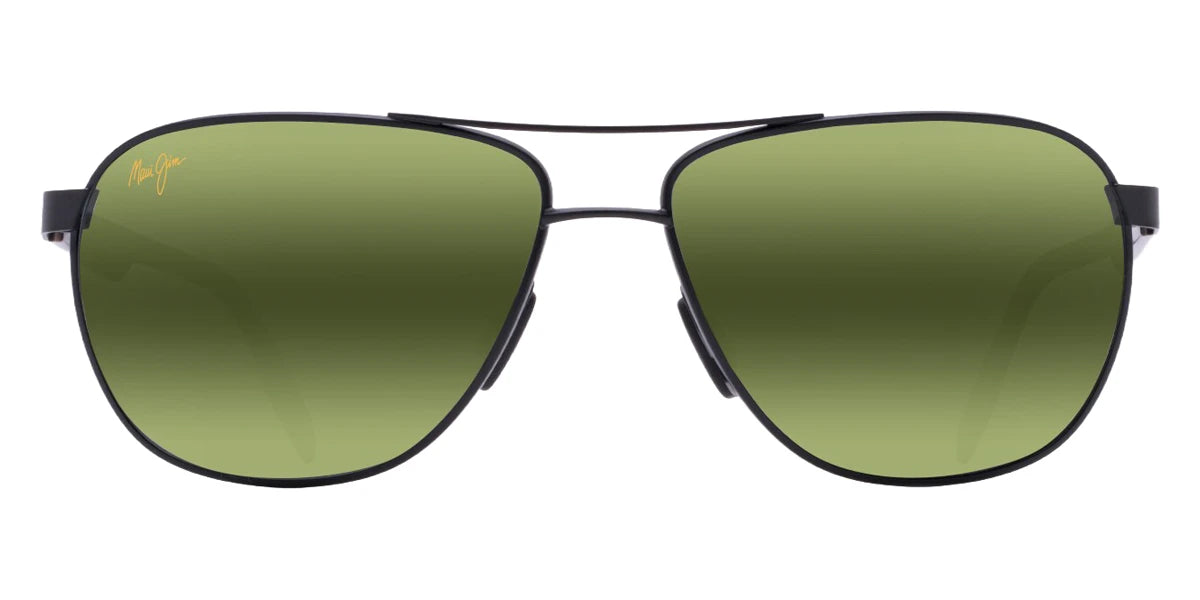
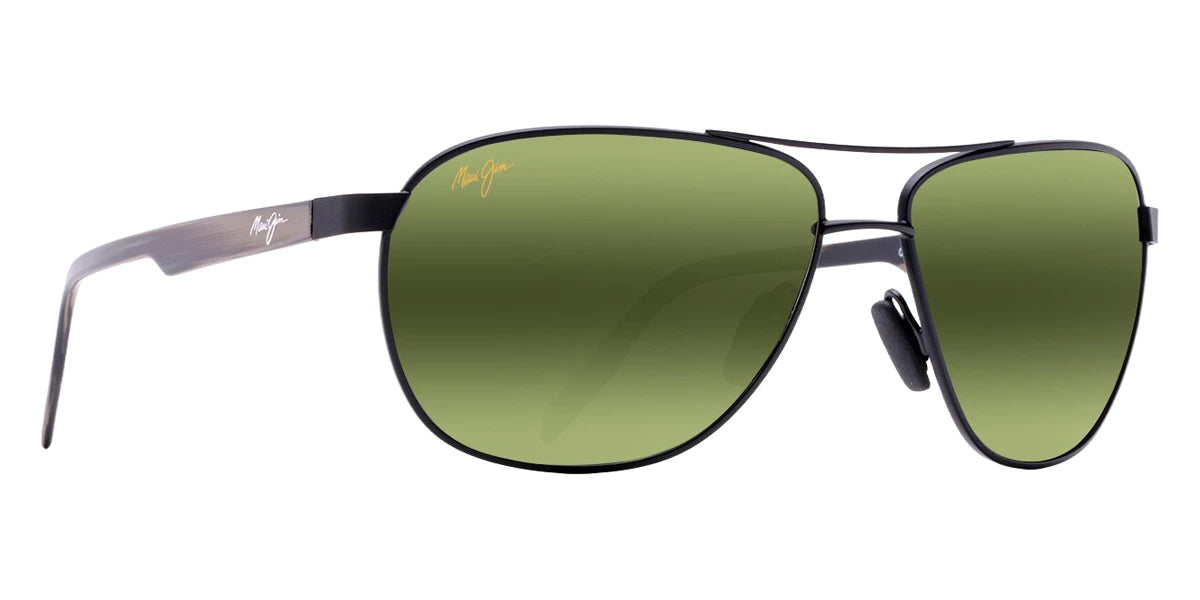
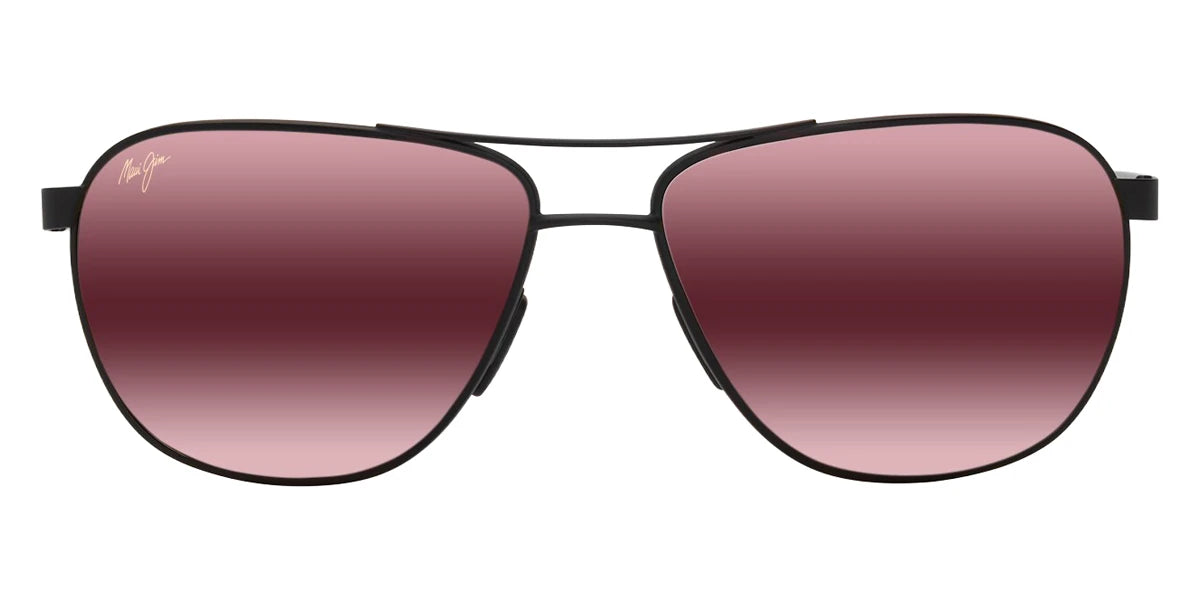
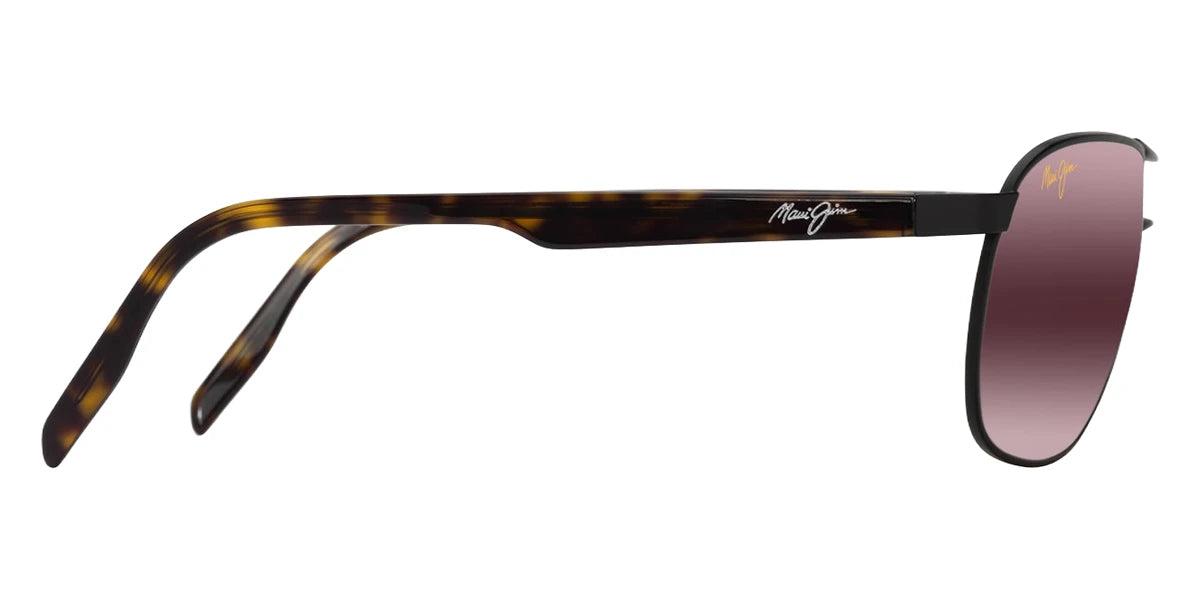
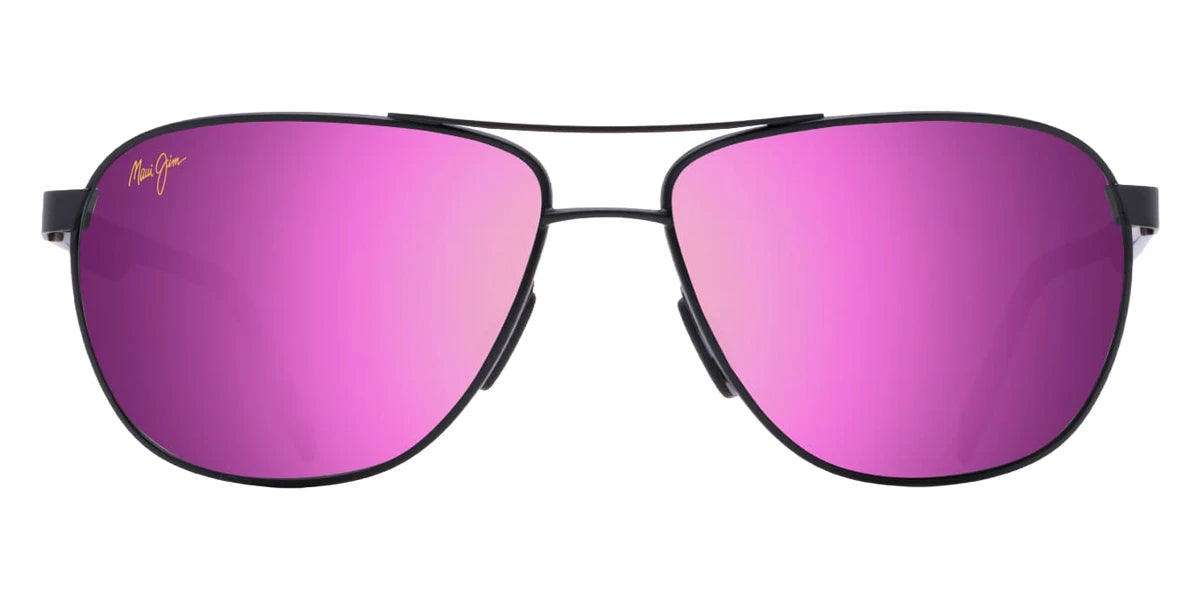
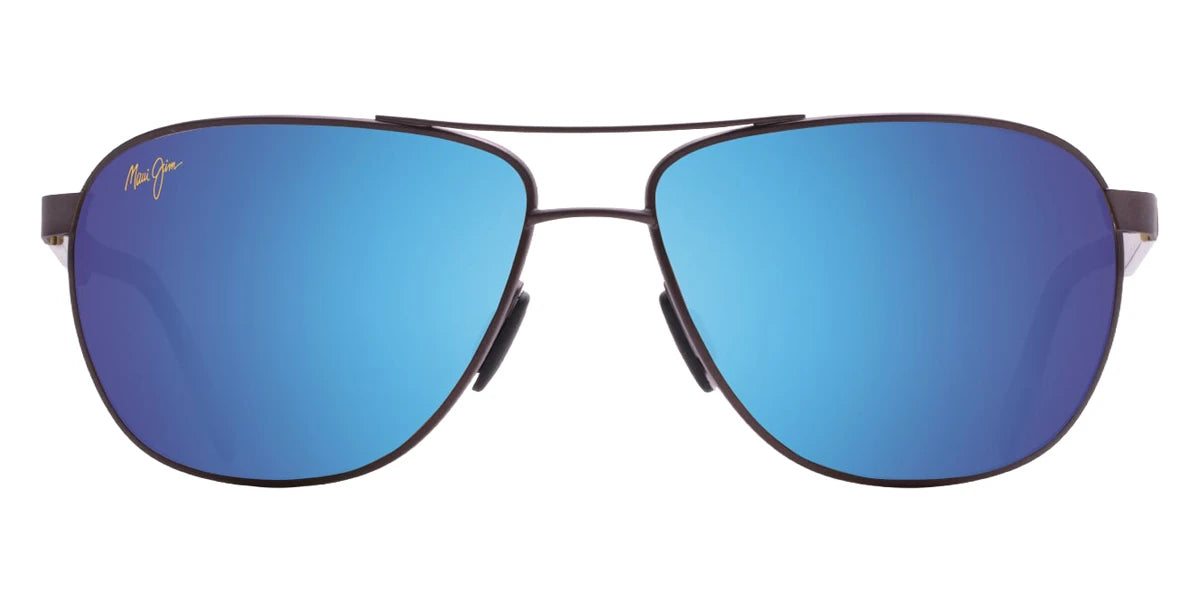
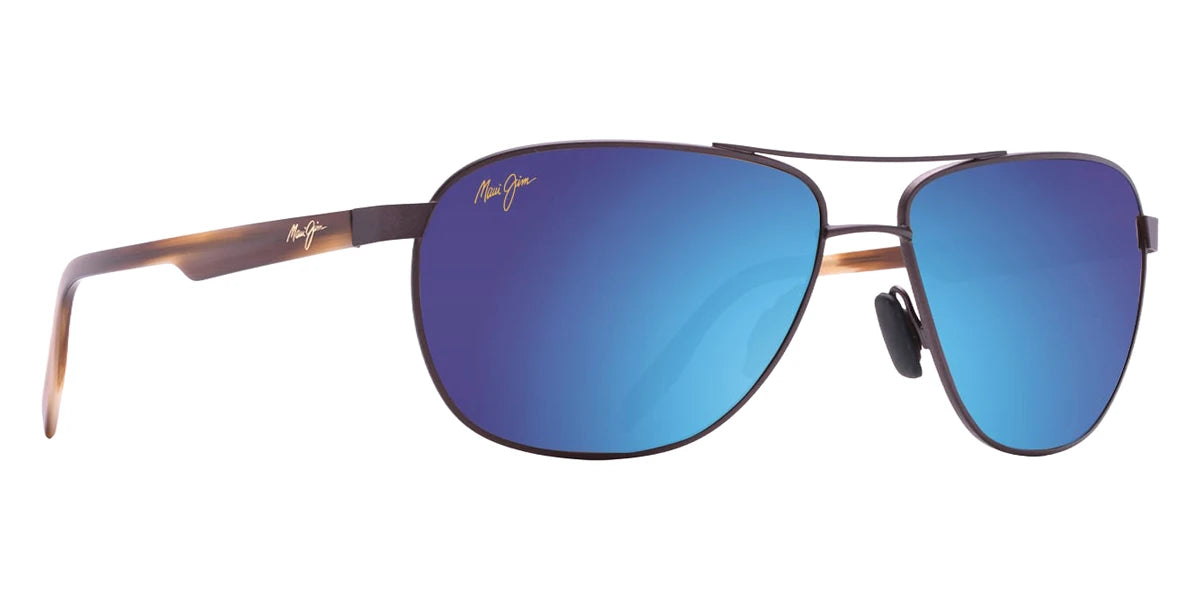
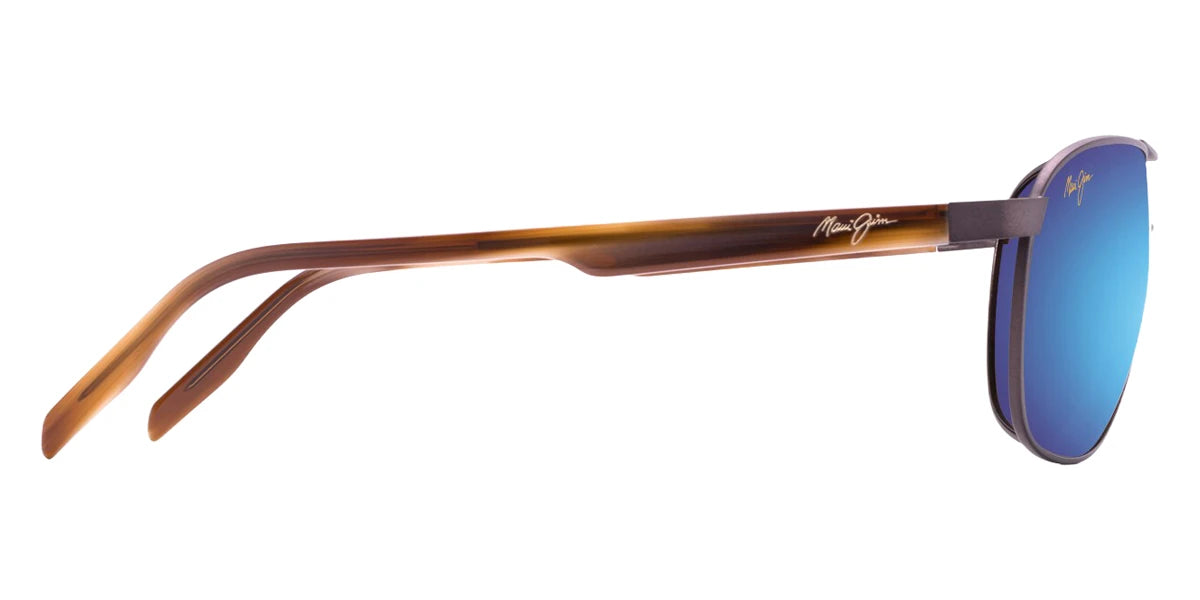
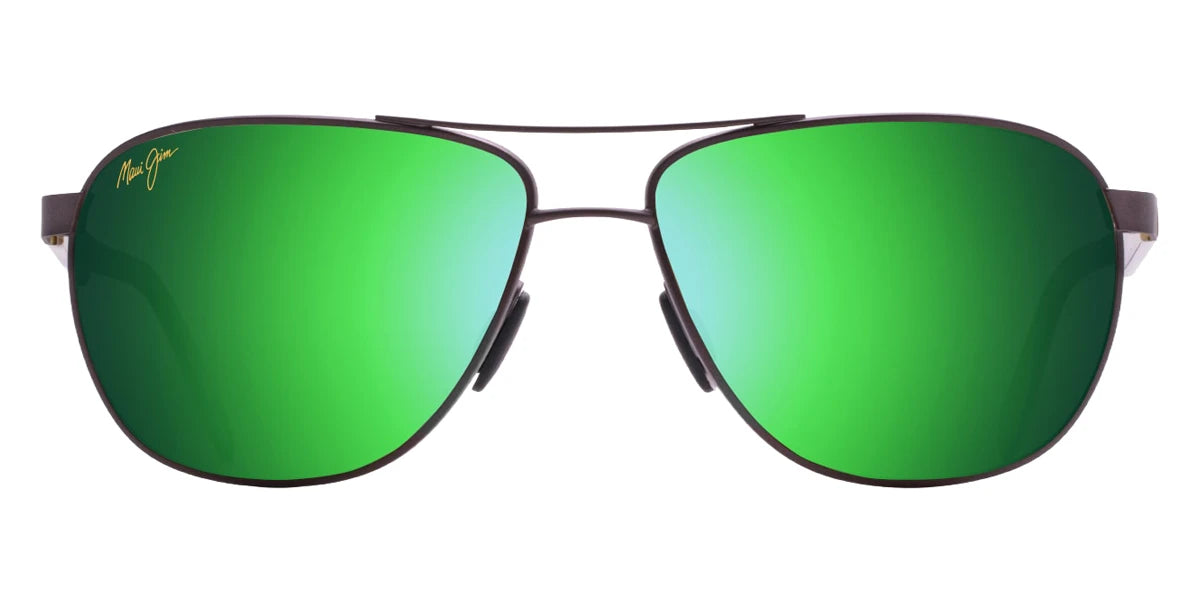
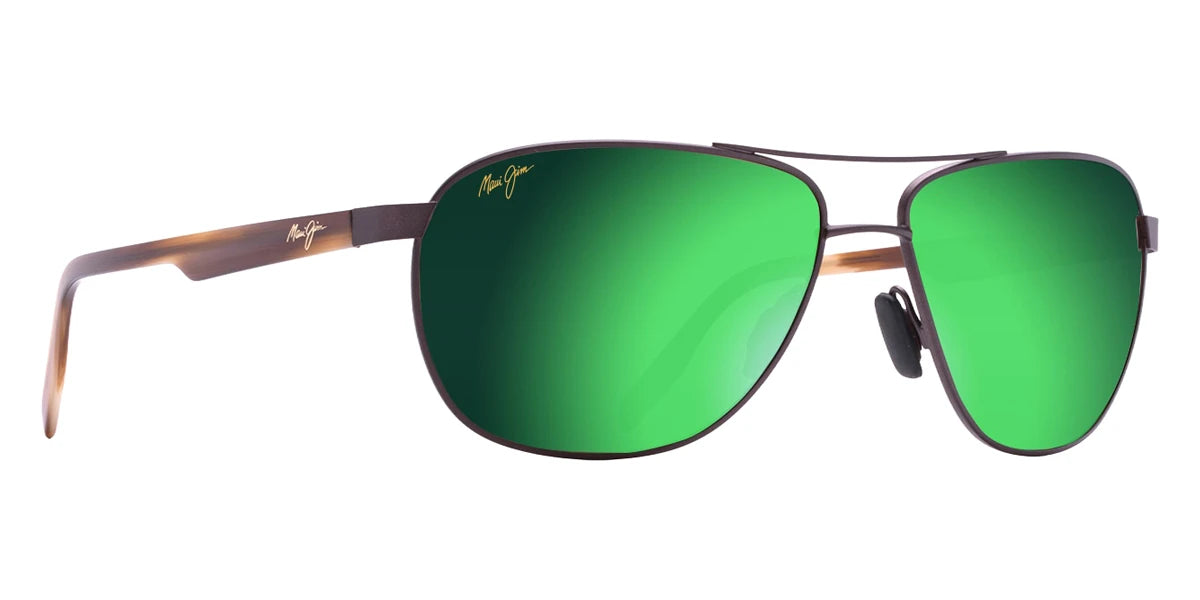
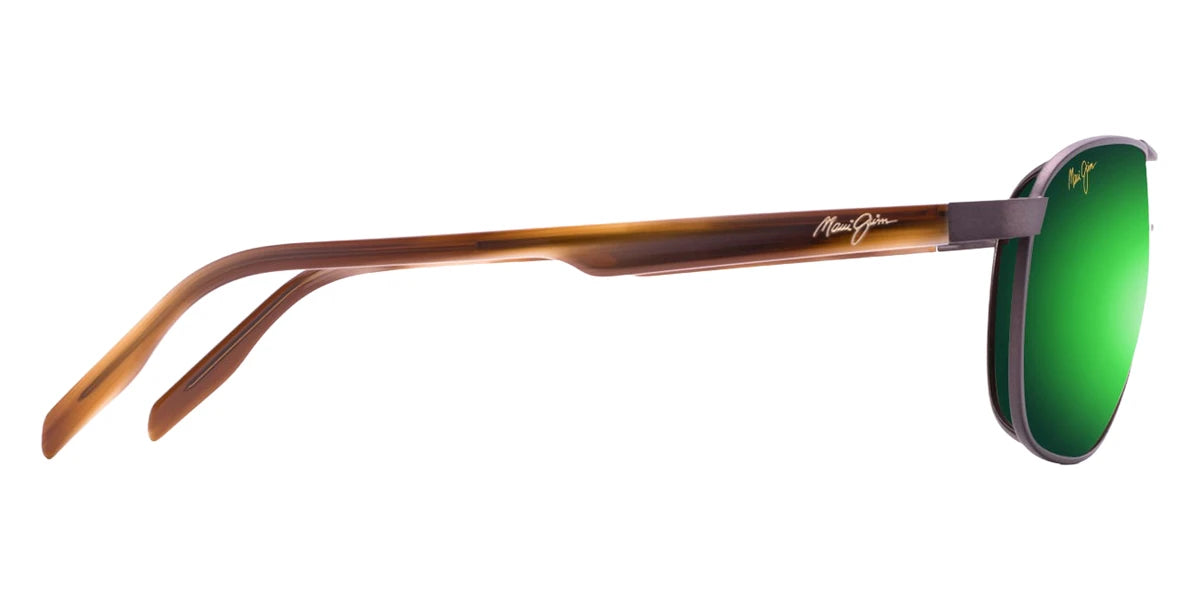
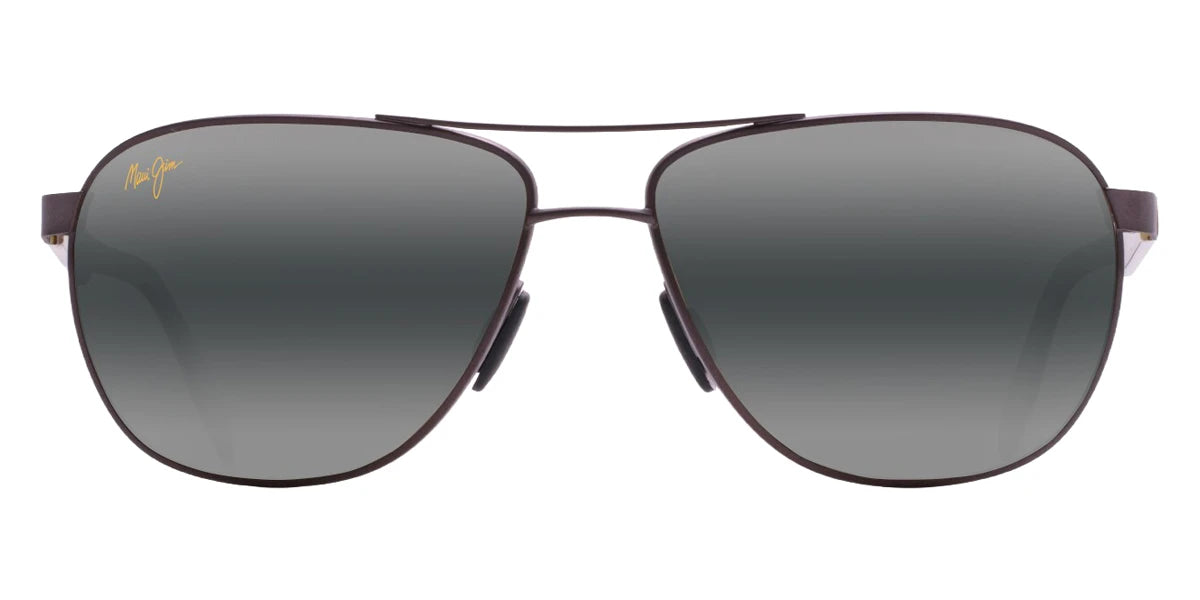
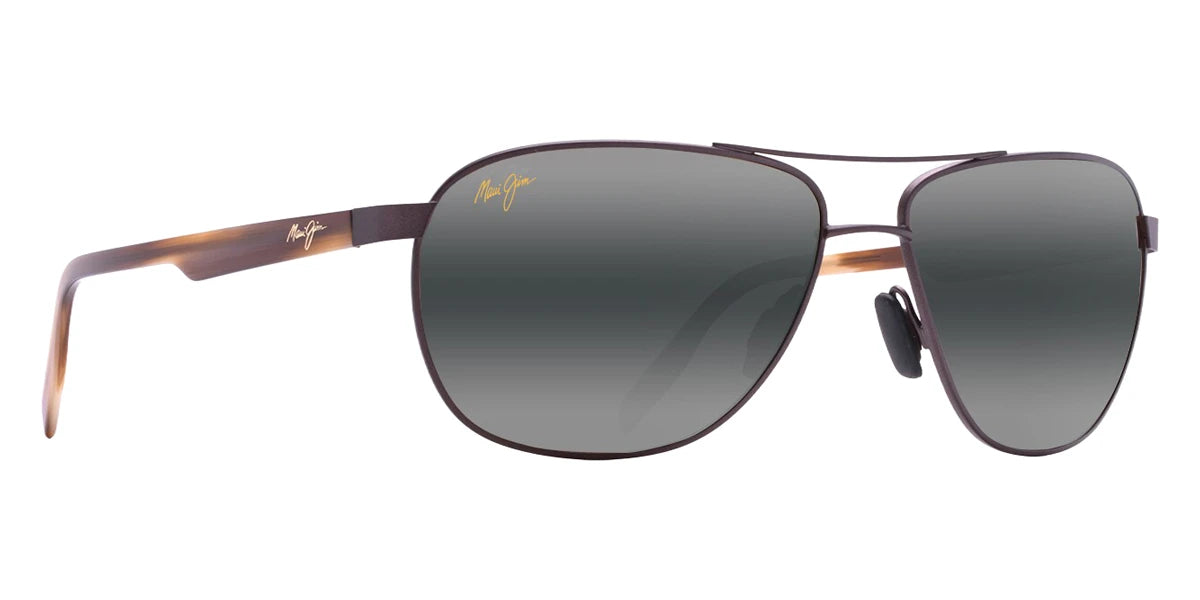
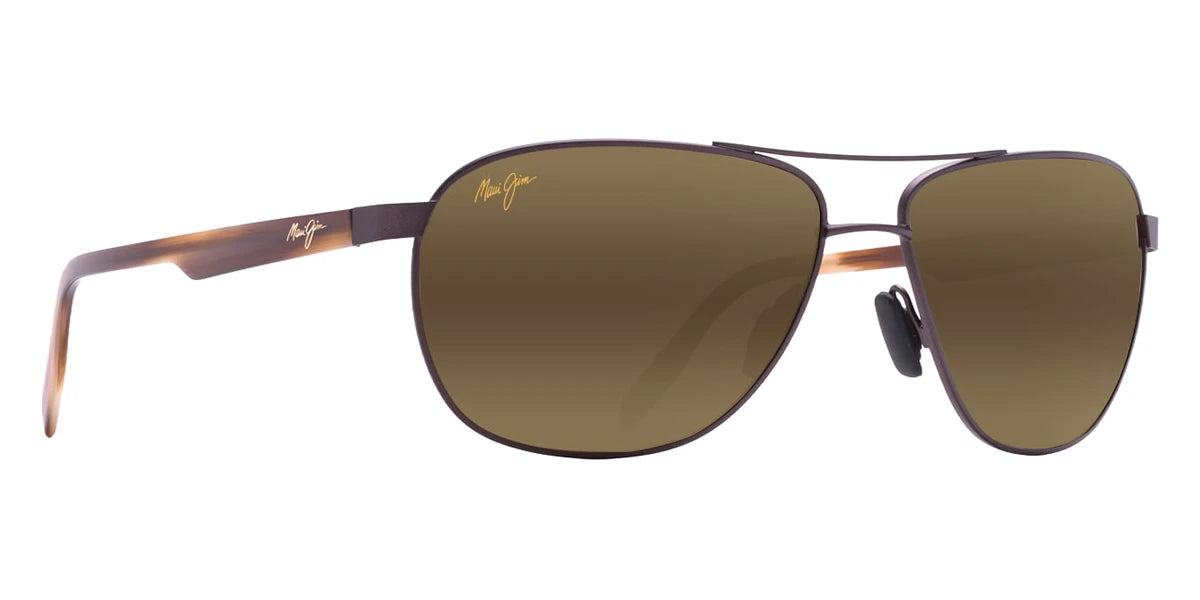
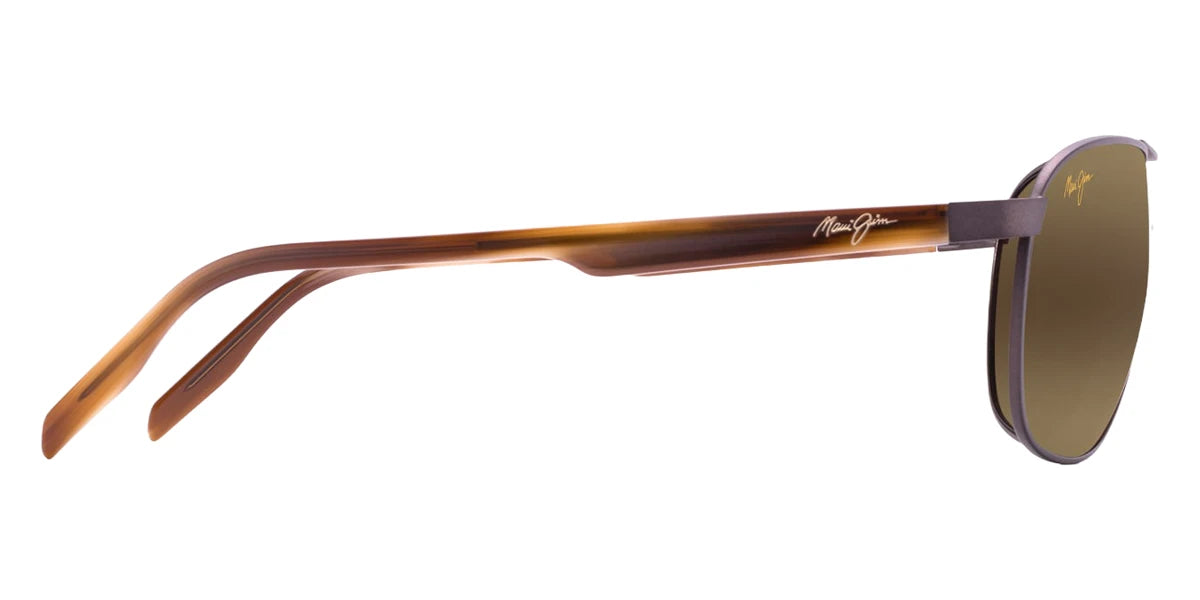
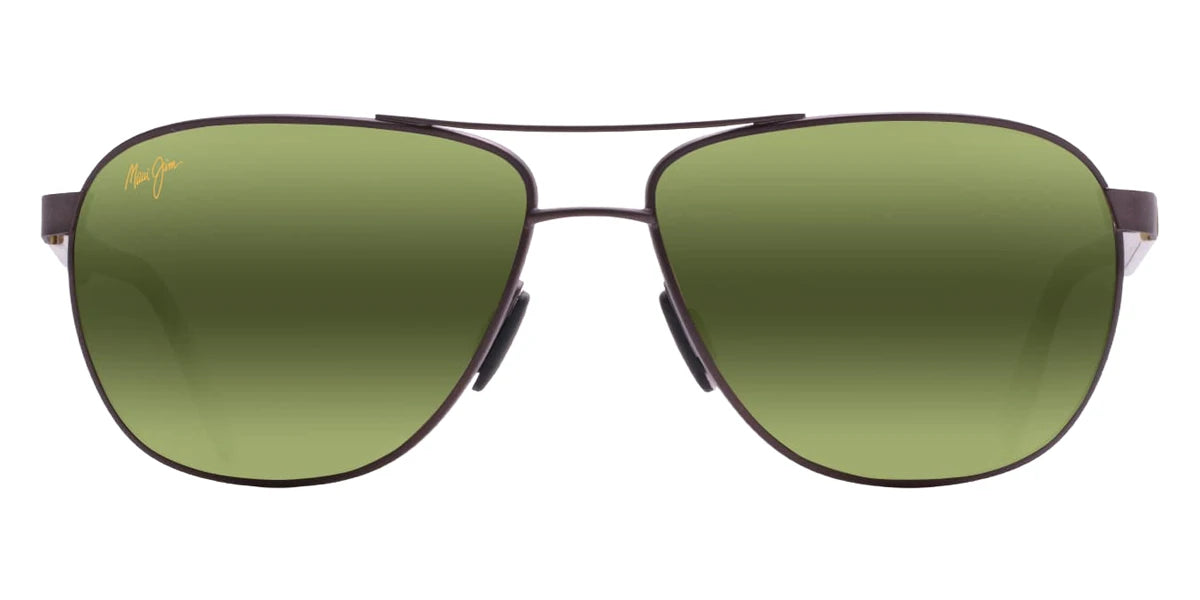
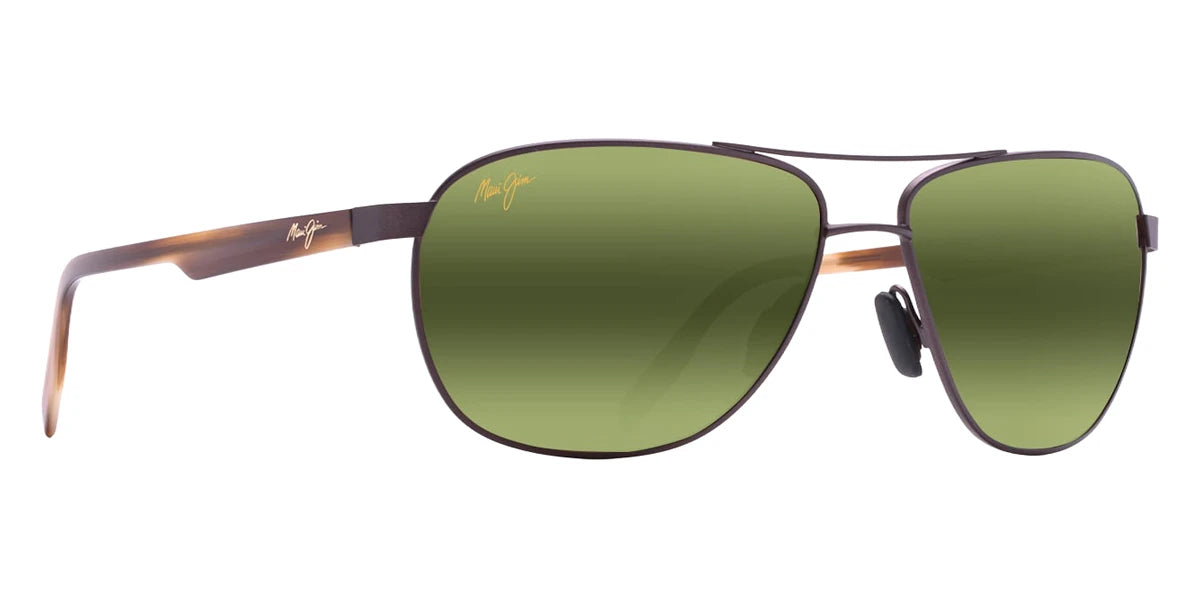
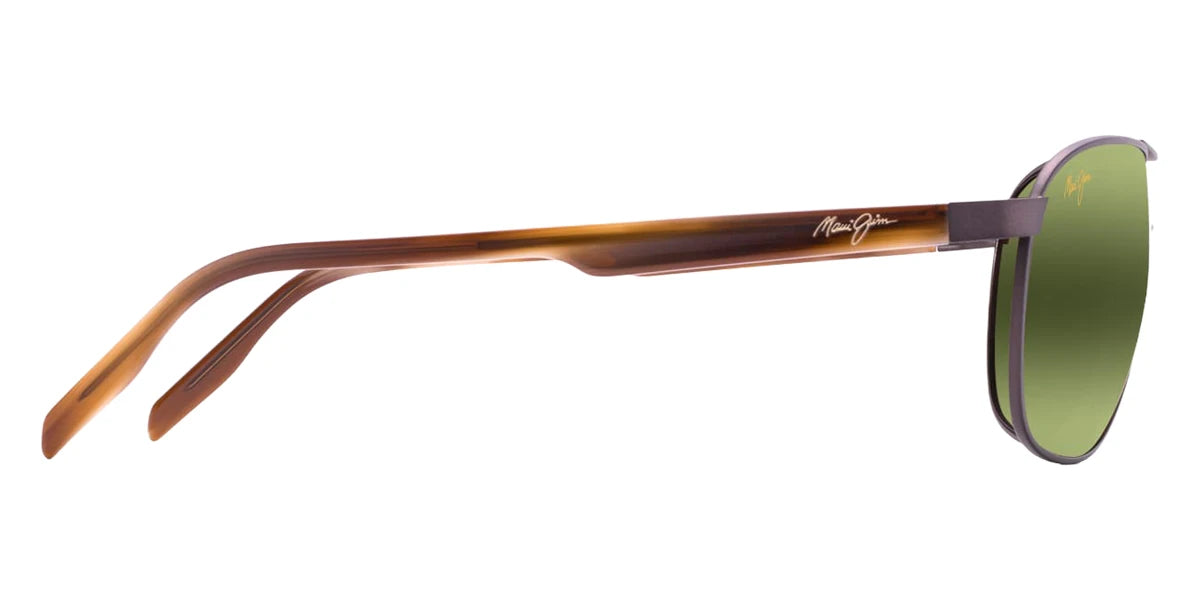
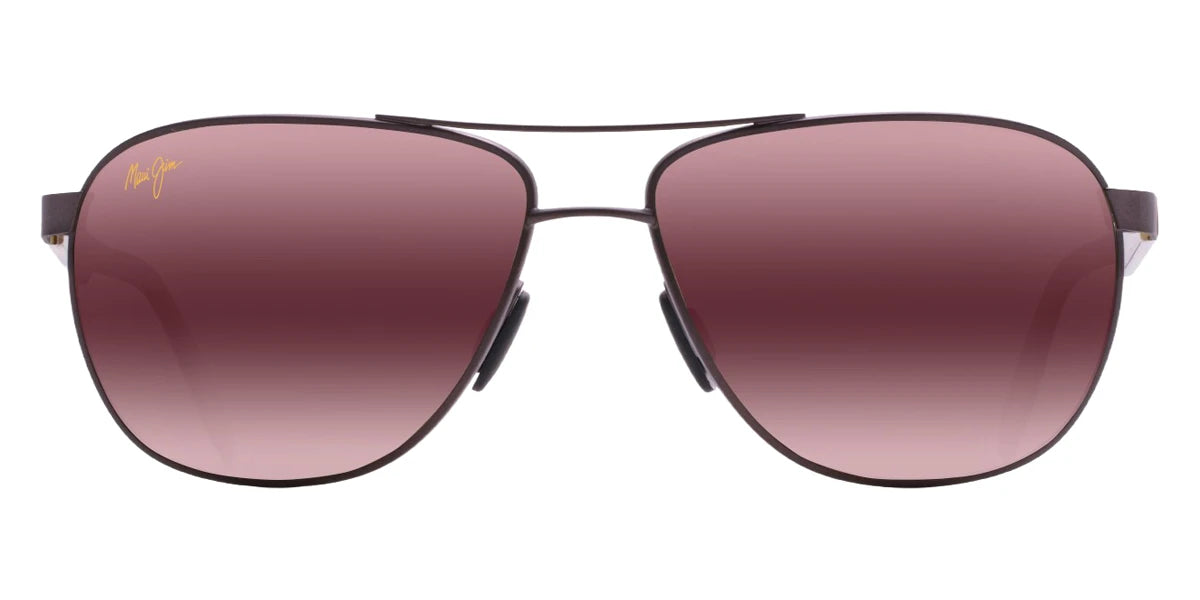
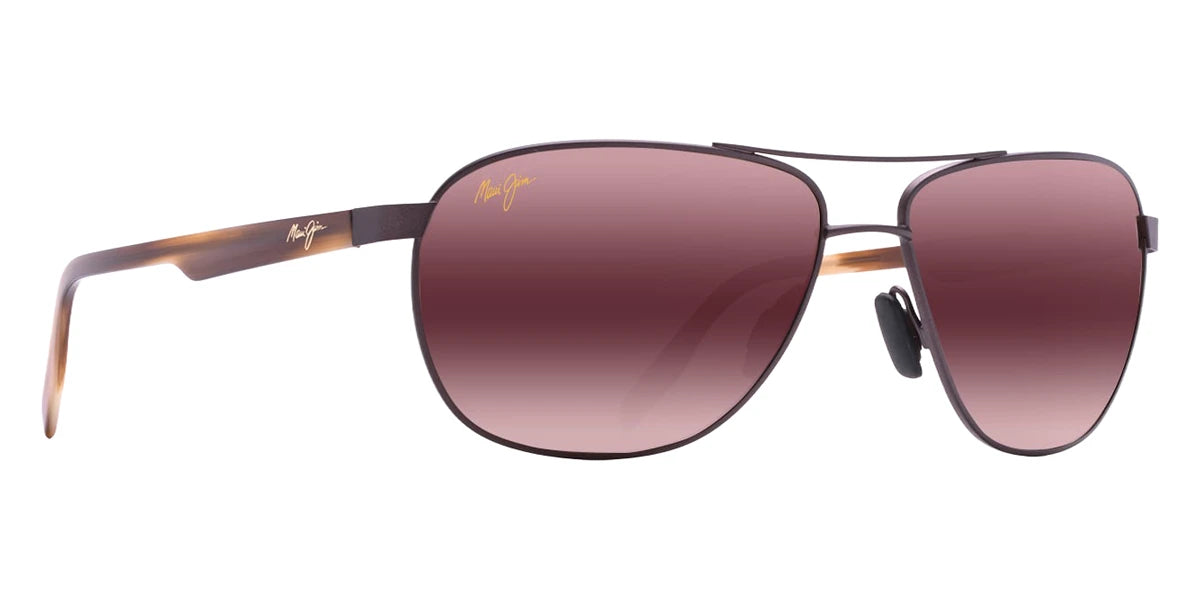
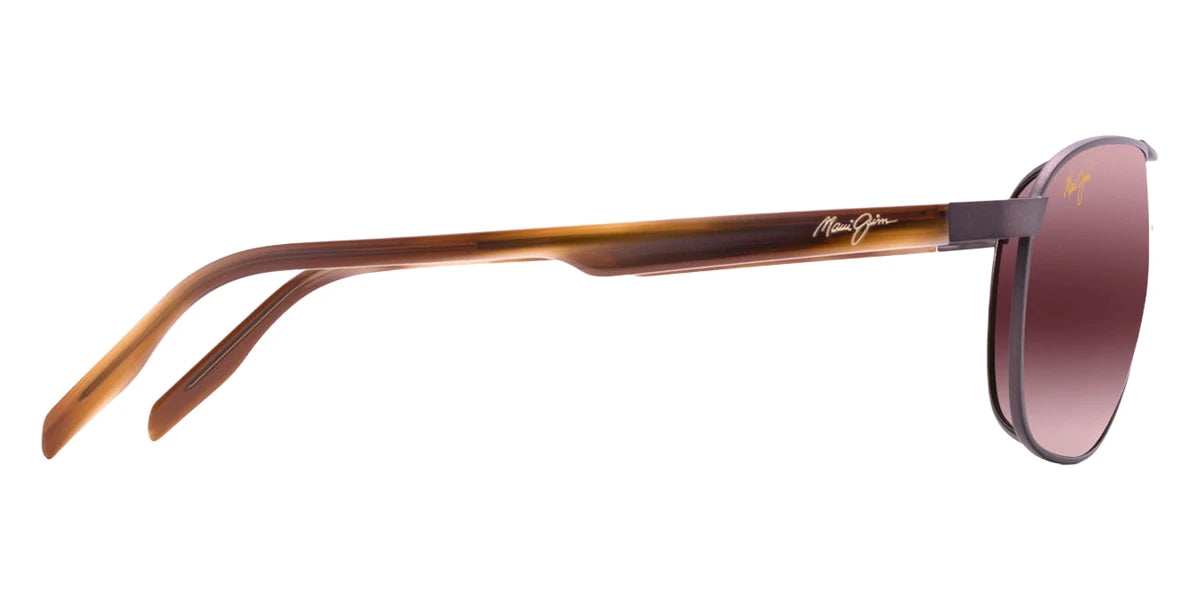
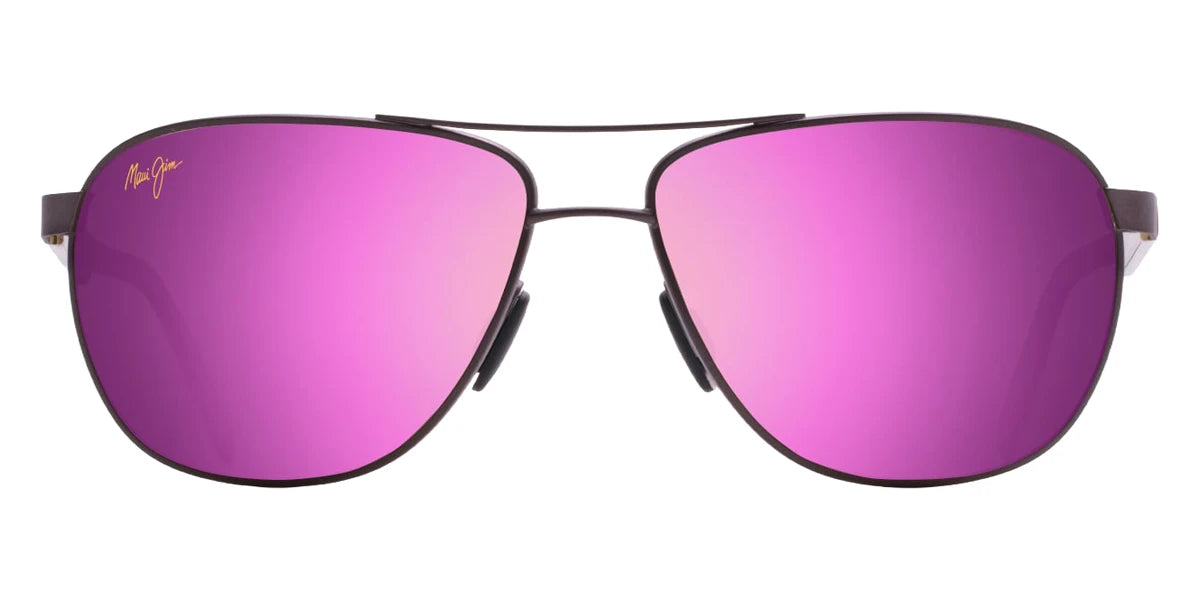
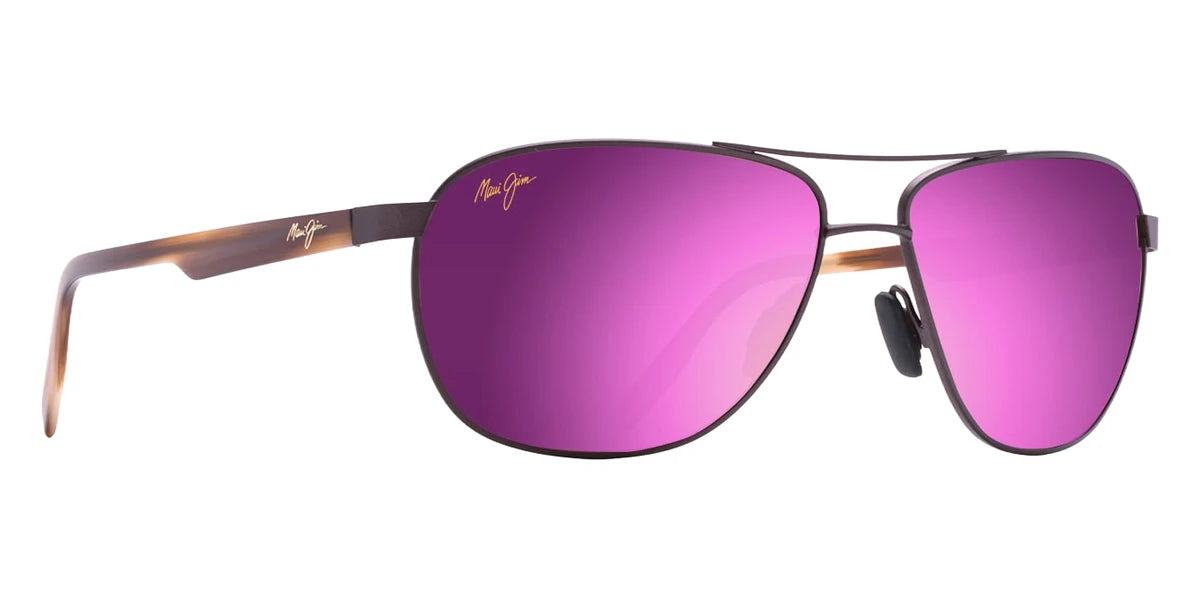
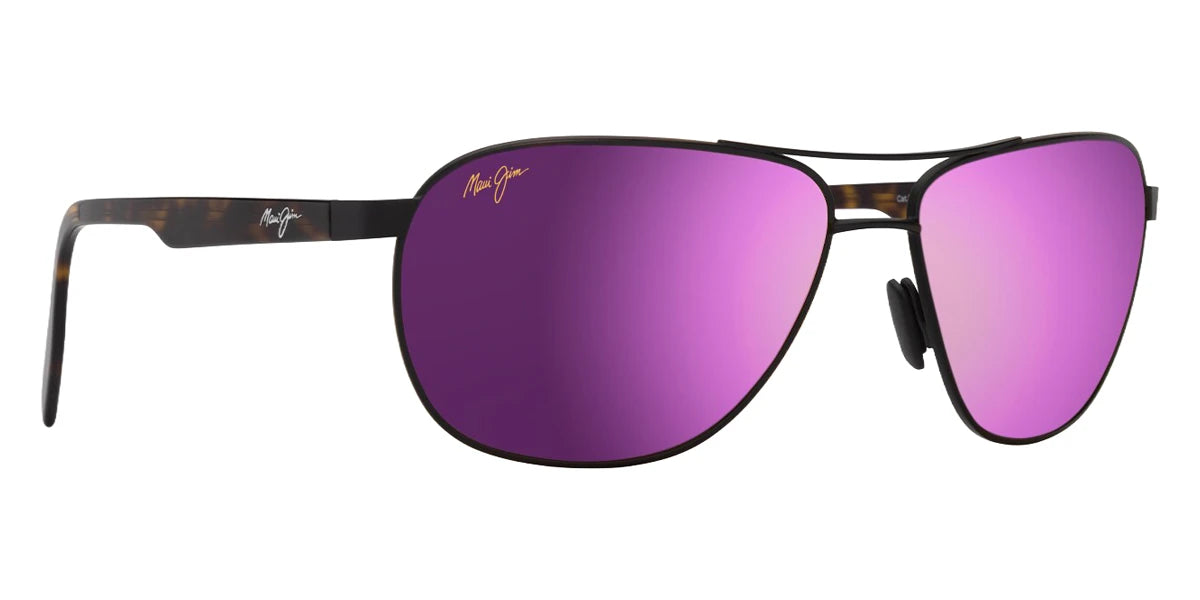
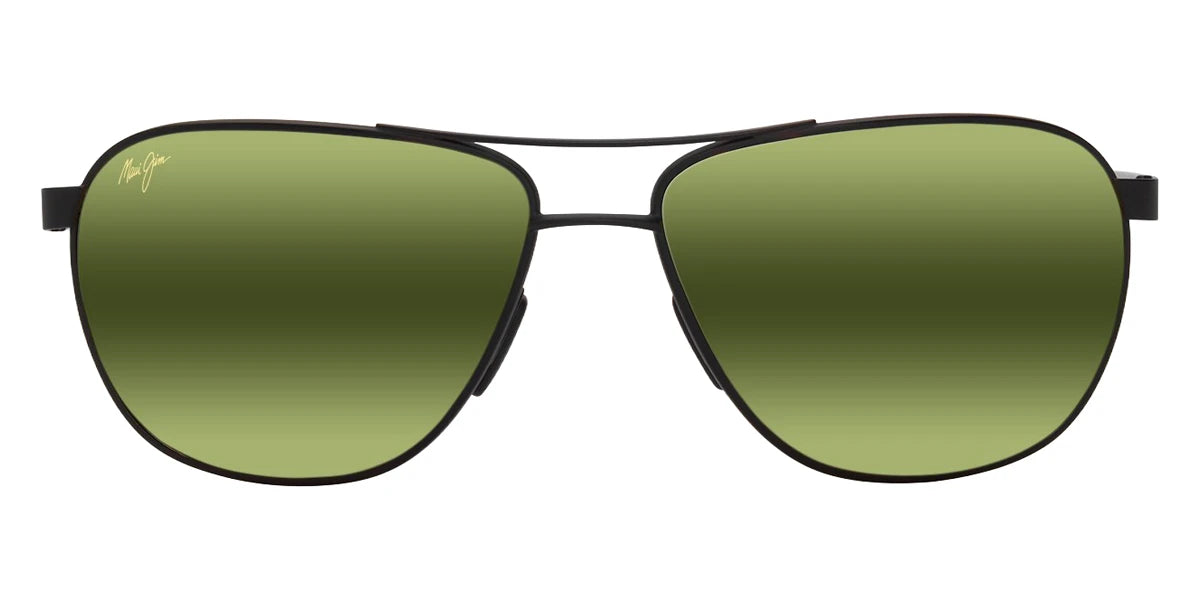
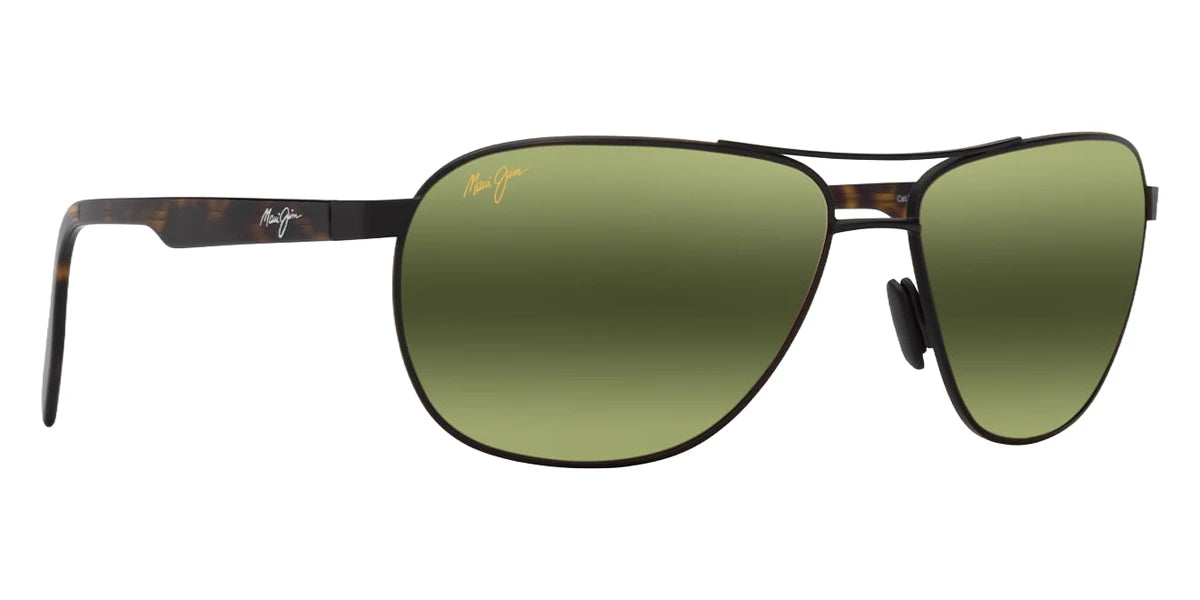
Maui Jim - CASTLES
Regular priceFrom
$339.00
Matte Black / Blue Hawaii
Matte Black Varnish with Dark Havana / MAUIGreen®
Matte Black Varnish with Dark Havana / Neutral Gray
Matte Black Varnish with Dark Havana / HCL® Bronze
Matte Black / Maui HT™
Matte Black Varnish with Dark Havana / Maui Rose®
Matte Black / MAUI Sunrise
Matte Chocolate / Blue Hawaii
Matte Chocolate / MAUIGreen®
Matte Chocolate / Neutral Gray
Matte Chocolate / HCL® Bronze
Matte Chocolate / Maui HT™
Matte Chocolate / Maui Rose®
Matte Chocolate / MAUI Sunrise
Matte Chocolate / HAWAII LAVA™
Matte Black Varnish with Dark Havana / HAWAII LAVA™
Matte Black Varnish with Dark Havana / MAUI Sunrise
Matte Dark Ruthenium with Black / Maui HT™
Matte Black Varnish with Dark Havana / Blue Hawaii
Matte Dark Ruthenium with Black / HAWAII LAVA™
Matte Dark Ruthenium with Black / MAUI Sunrise
Matte Dark Ruthenium with Black / Maui Rose®
Matte Dark Ruthenium with Black / HCL® Bronze
Matte Dark Ruthenium with Black / Neutral Gray
Matte Dark Ruthenium with Black / MAUIGreen®
Matte Dark Ruthenium with Black / Blue Hawaii
Matte Black / HAWAII LAVA™
Matte Black / Maui Rose®
Matte Black / HCL® Bronze
Matte Black / Neutral Gray
Matte Black / MAUIGreen®
+ 28 more
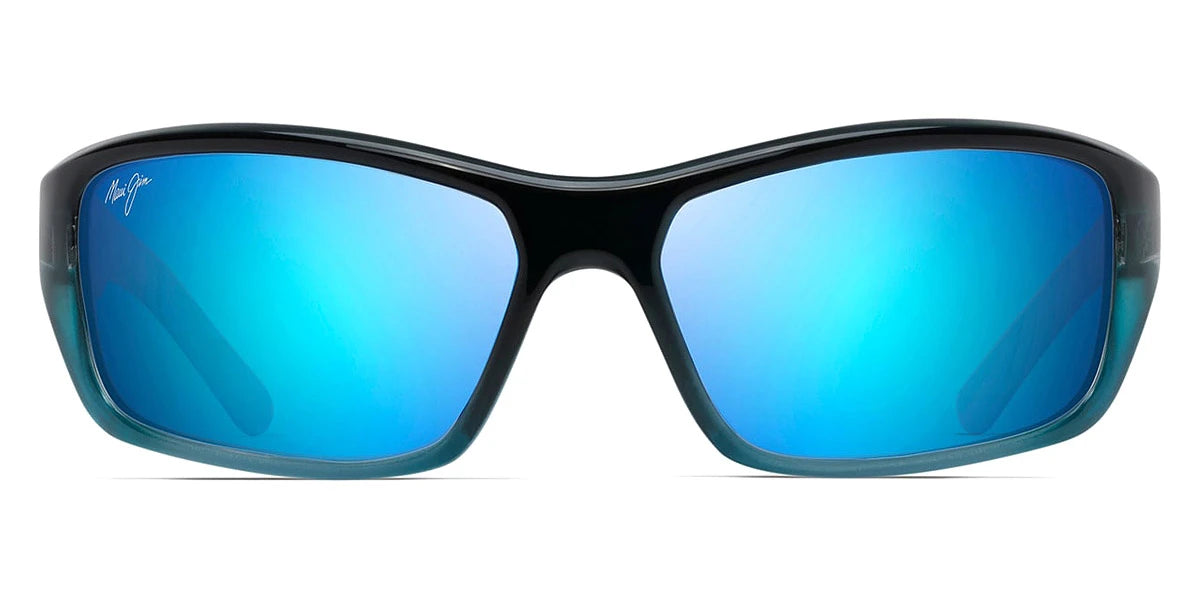
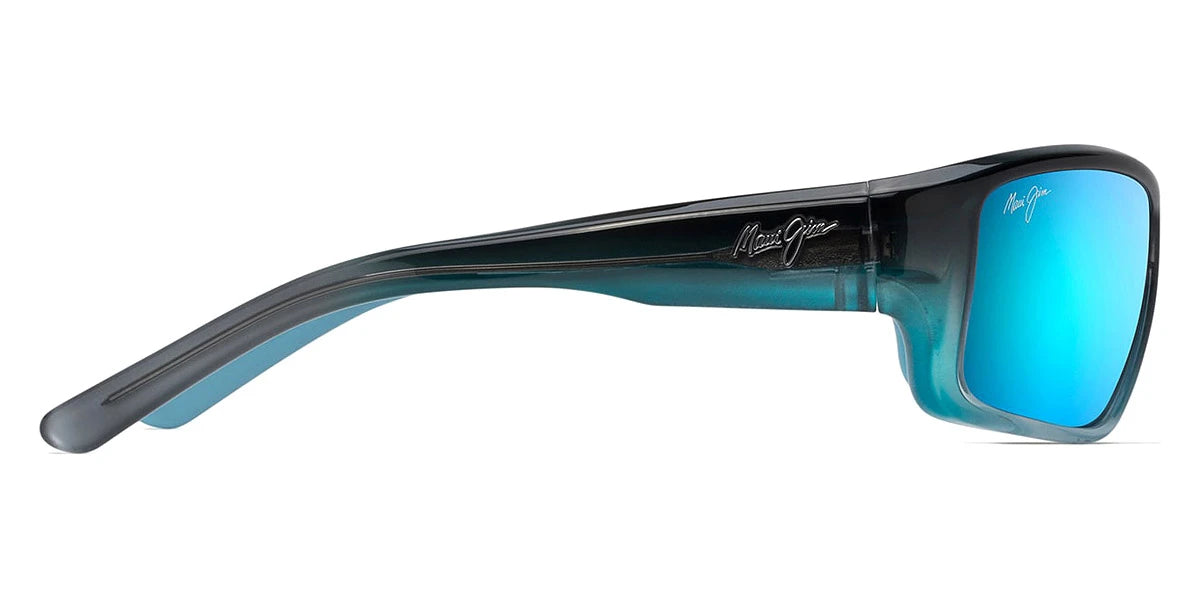
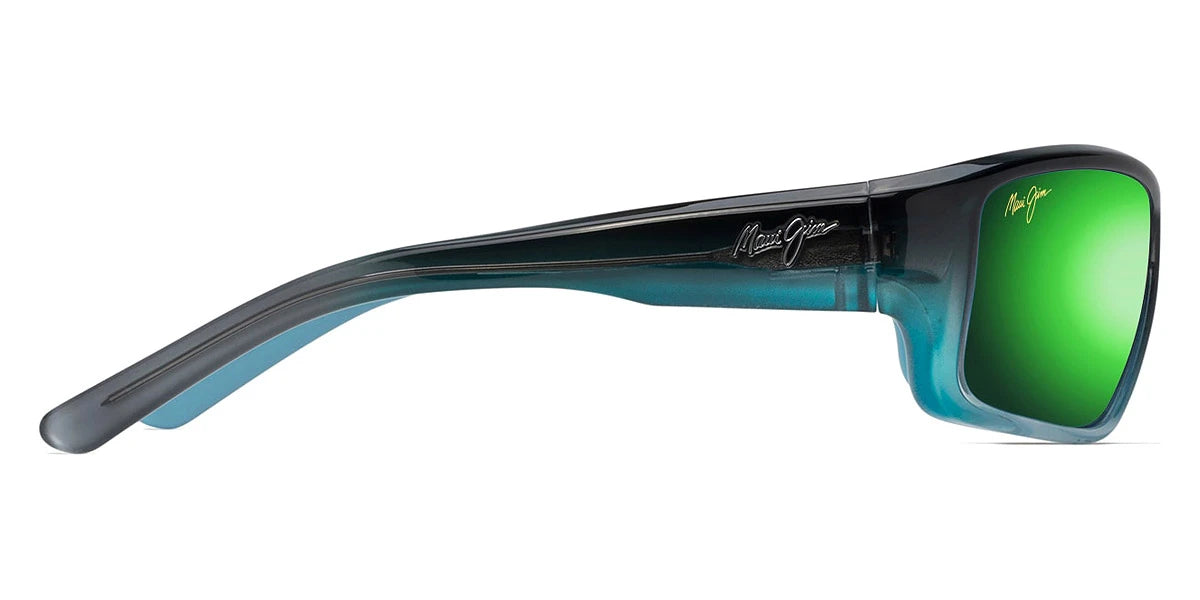
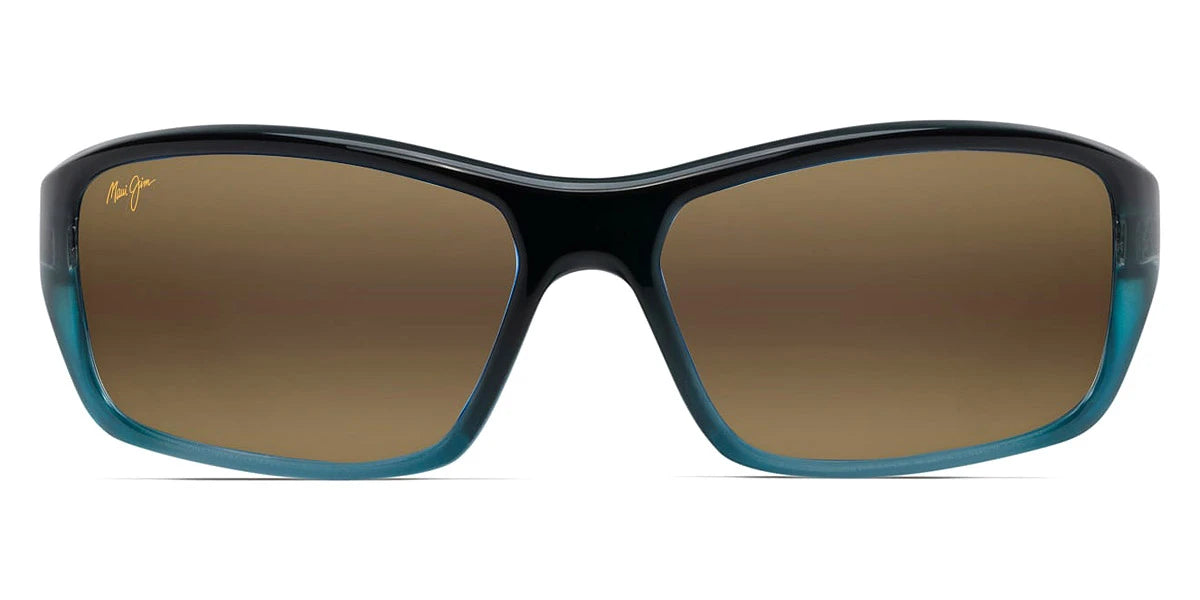
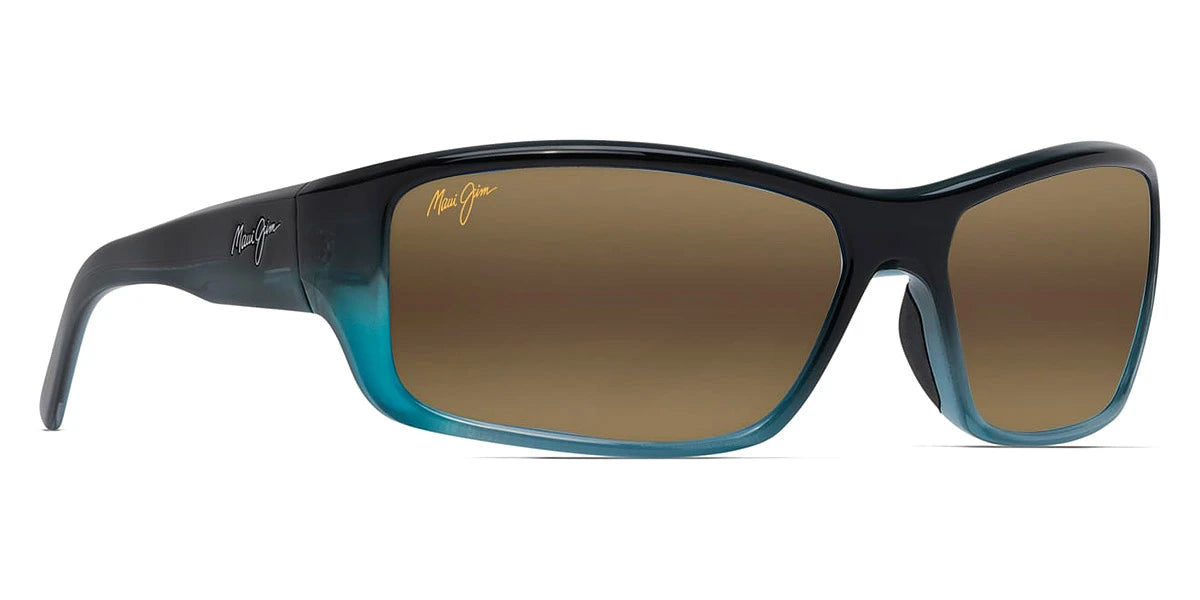
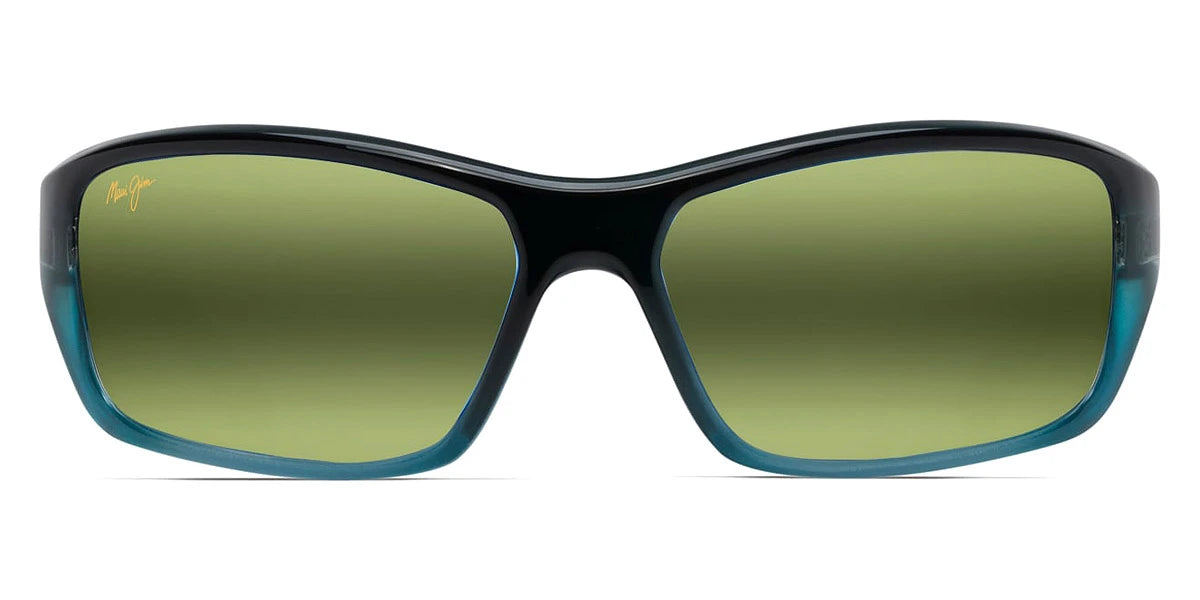
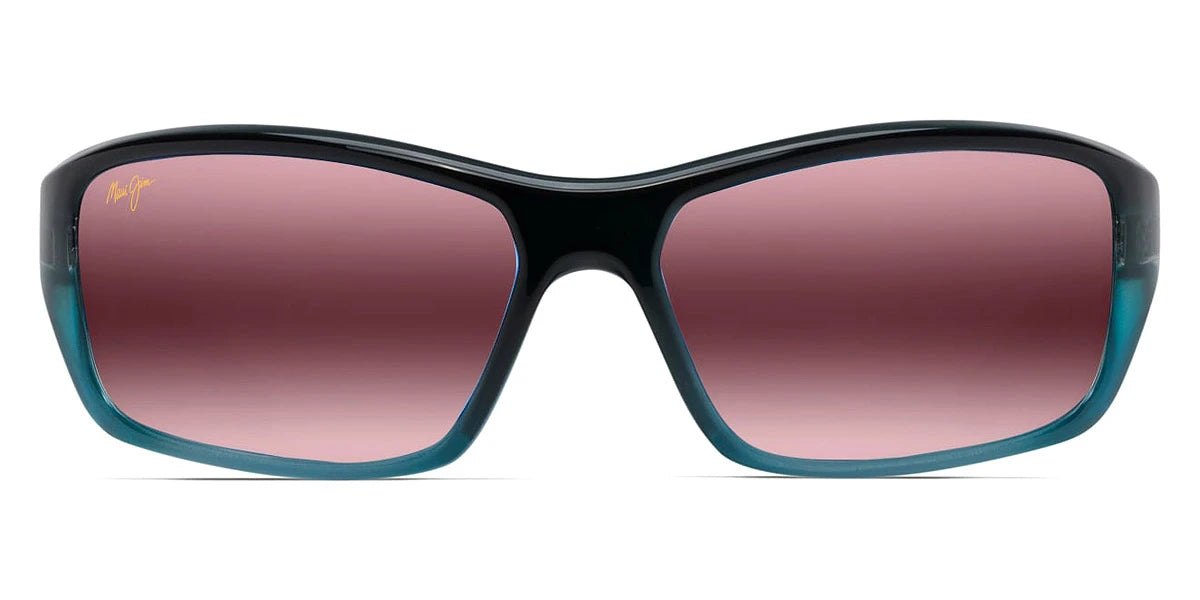
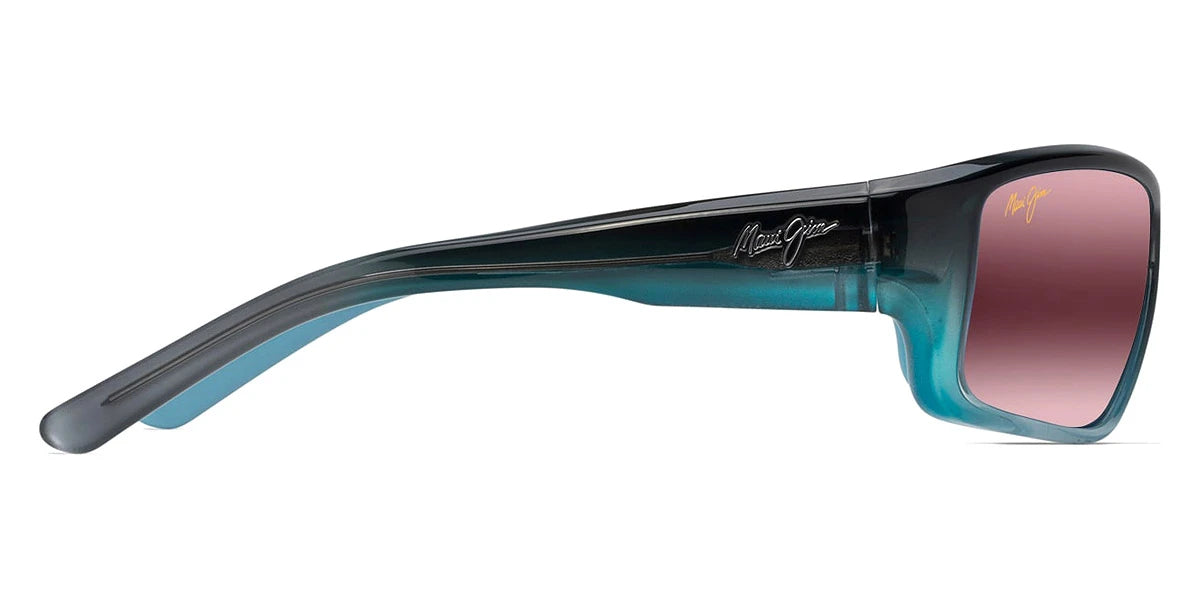
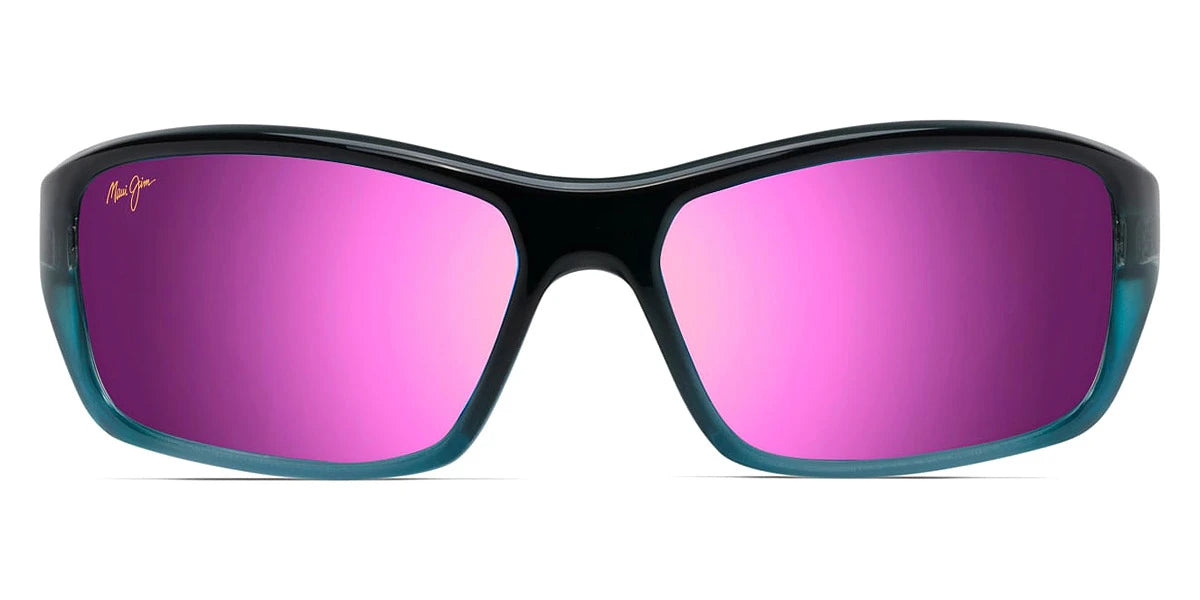
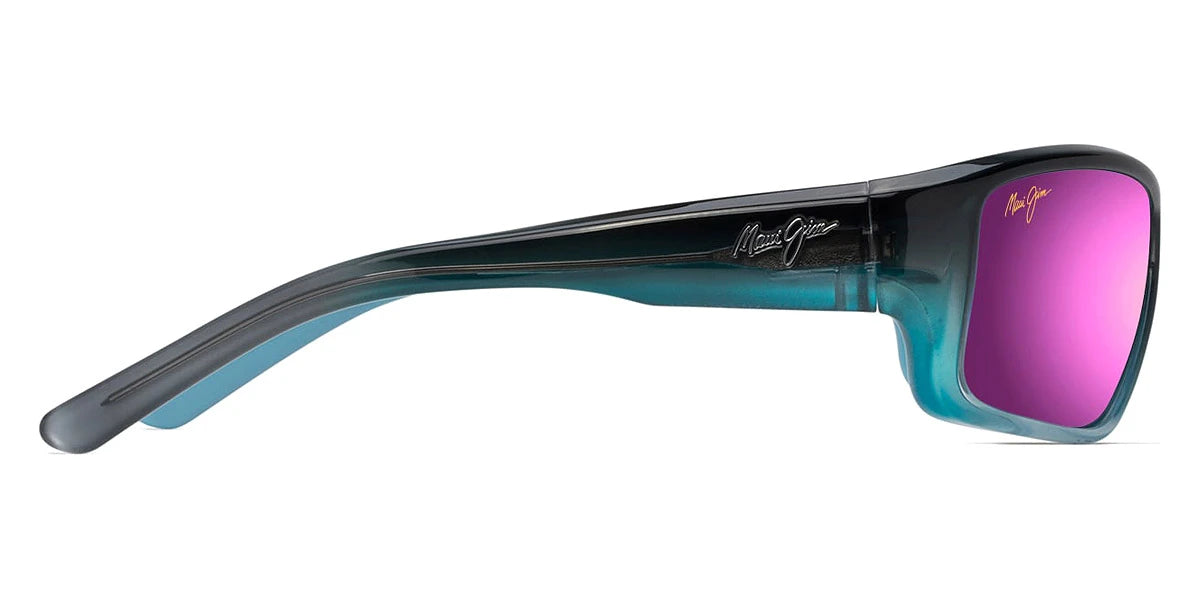
Maui Jim - BARRIER REEF
Regular priceFrom
$289.00
Blue with Turquoise / Blue Hawaii
Blue with Turquoise / MAUI Green®
Blue with Turquoise / Neutral Gray
Blue with Turquoise / HCL® Bronze
Blue with Turquoise / Maui HT™
Blue with Turquoise / Maui Rose®
Blue with Turquoise / MAUI Sunrise
Blue with Turquoise / HAWAII LAVA™
+ 5 more
Maui Jim - KEHA ASIAN FIT
Regular price
$319.00
Matte Dark Havana / HAWAII LAVA™
Matte Dark Havana / MAUI Sunrise
Matte Dark Havana / Maui Rose®
Matte Dark Havana / Maui HT™
Matte Dark Havana / HCL® Bronze
Matte Dark Havana / Neutral Gray
Matte Dark Havana / MAUIGreen®
Matte Dark Havana / Blue Hawaii
Matte White / HAWAII LAVA™
Matte White / MAUI Sunrise
Matte White / Maui Rose®
Matte White / Maui HT™
Matte White / HCL® Bronze
Matte White / Neutral Gray
Matte White / MAUIGreen®
Matte White / Blue Hawaii
Matte Black / HAWAII LAVA™
Matte Black / MAUI Sunrise
Matte Black / Maui Rose®
Matte Black / Maui HT™
Matte Black / HCL® Bronze
Matte Black / Neutral Gray
Matte Black / MAUIGreen®
Matte Black / Blue Hawaii
Matte Dark Military Green / HAWAII LAVA™
Matte Dark Military Green / MAUI Sunrise
Matte Dark Military Green / Maui Rose®
Matte Dark Military Green / Maui HT™
Matte Dark Military Green / HCL® Bronze
Matte Dark Military Green / Neutral Gray
Matte Dark Military Green / MAUIGreen®
Matte Dark Military Green / Blue Hawaii
+ 29 more
Götti - AHLF
Regular price
$392.00
Ash / Forest
Berry / Rose
Blush / Rose
Cliff / Atlantic
Denim / Atlantic
Flamingo / Rose
Mocca / Forest
Moss / Forest
Plum / Rose
Pool / Atlantic
Ruby / Rose
Sand / Atlantic
Slate / Forest
Stone / Atlantic
Teal / Atlantic
+ 12 more
Götti - ADKIN
Regular price
$368.00
Ash / Forest
Berry / Rose
Blush / Choco
Cliff / Choco
Denim / Atlantic
Flamingo / Choco
Mocca / Choco
Moss / Forest
Plum / Rose
Pool / Choco
Ruby / Choco
Sand / Choco
Slate / Atlantic
Stone / Forest
Teal / Atlantic
+ 12 more
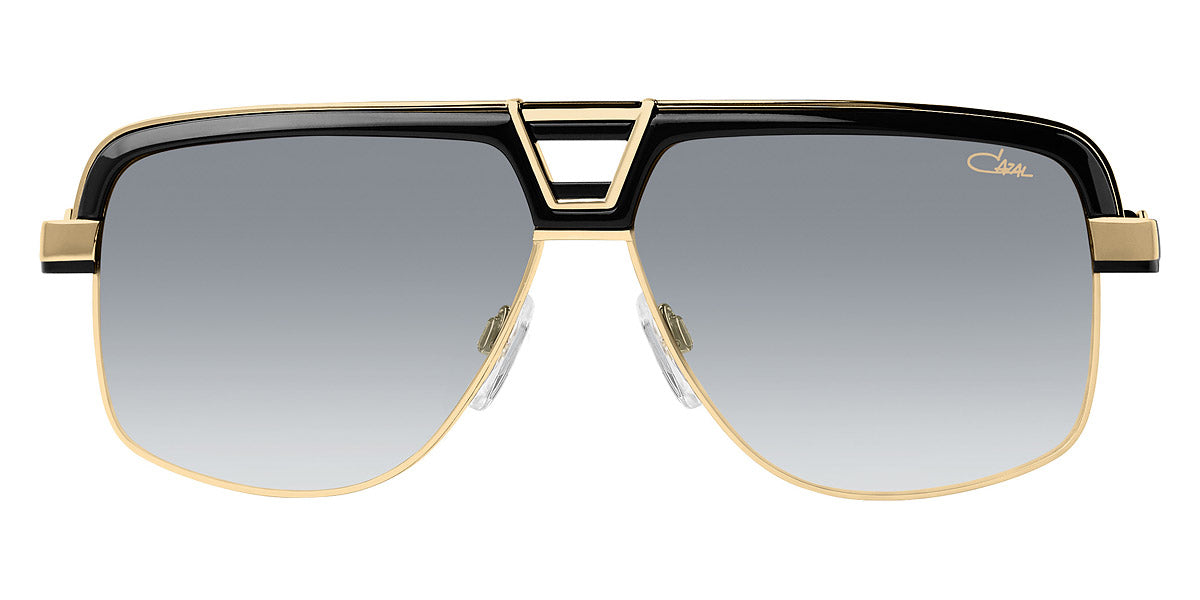
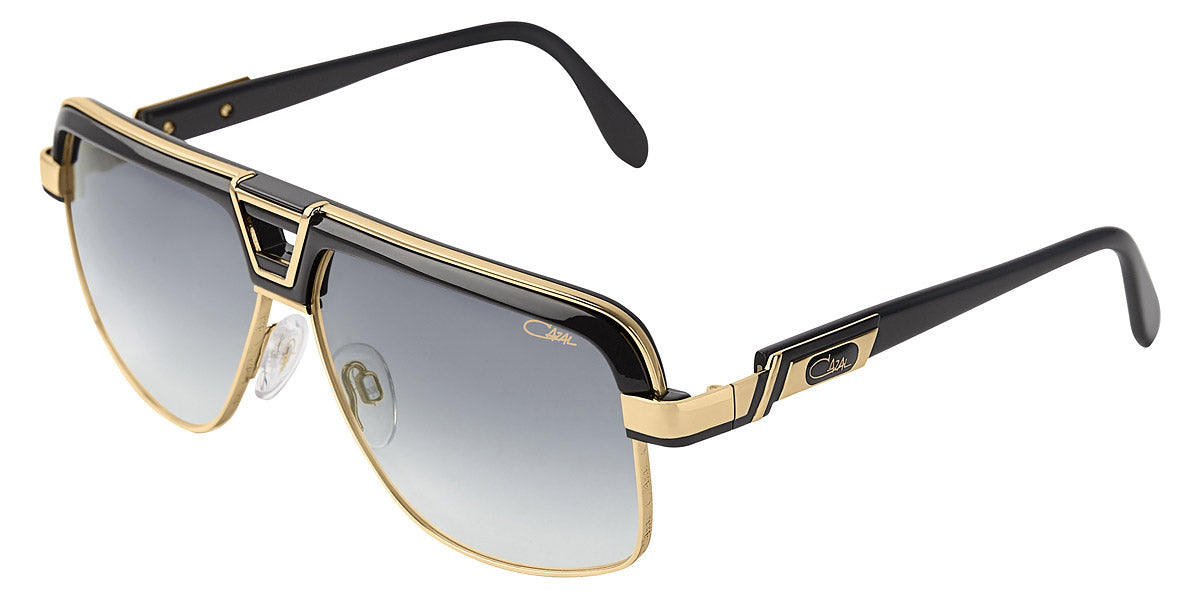
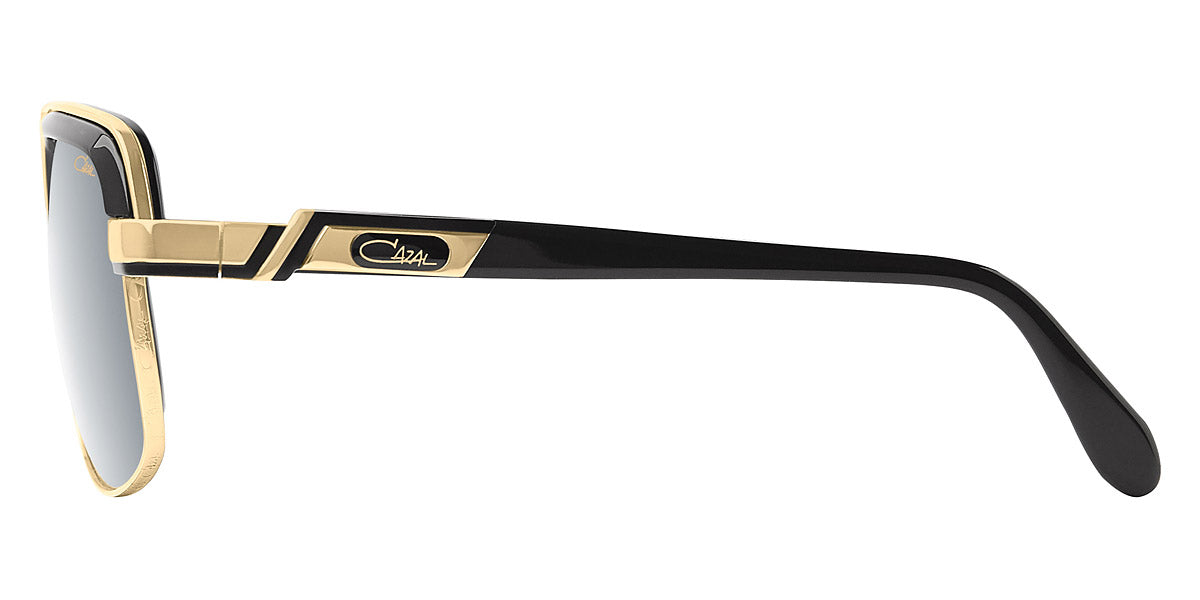
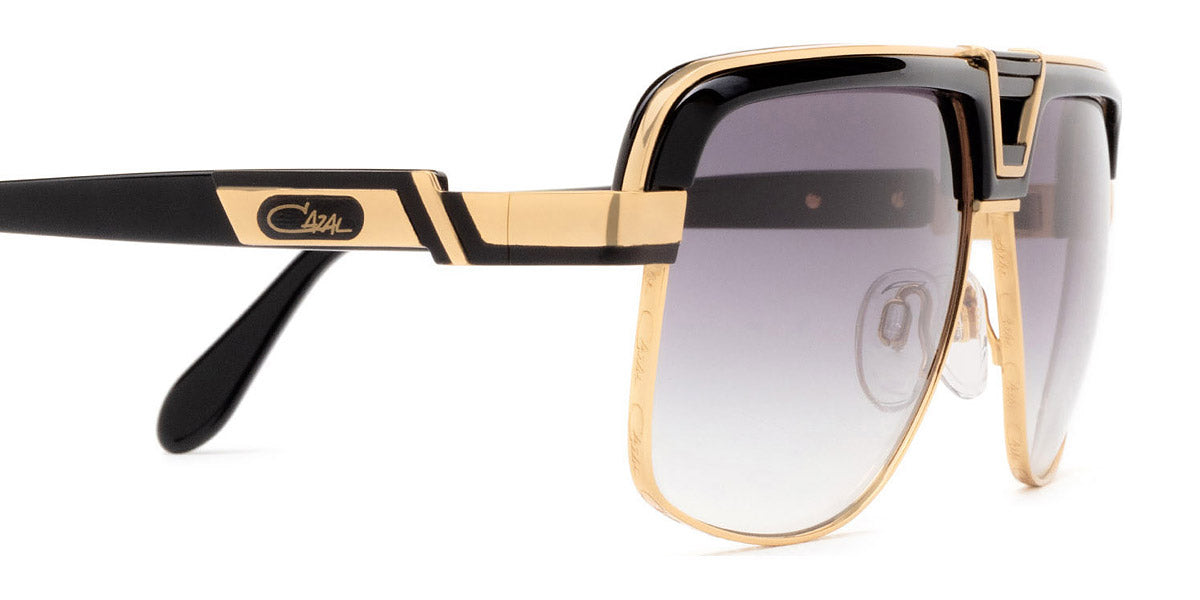
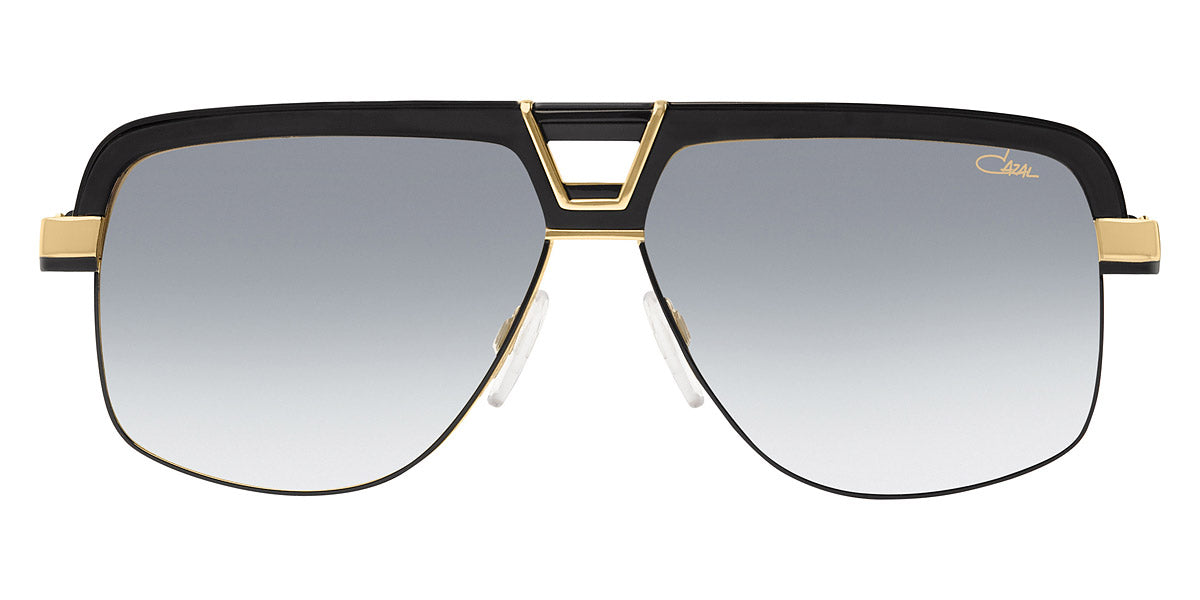
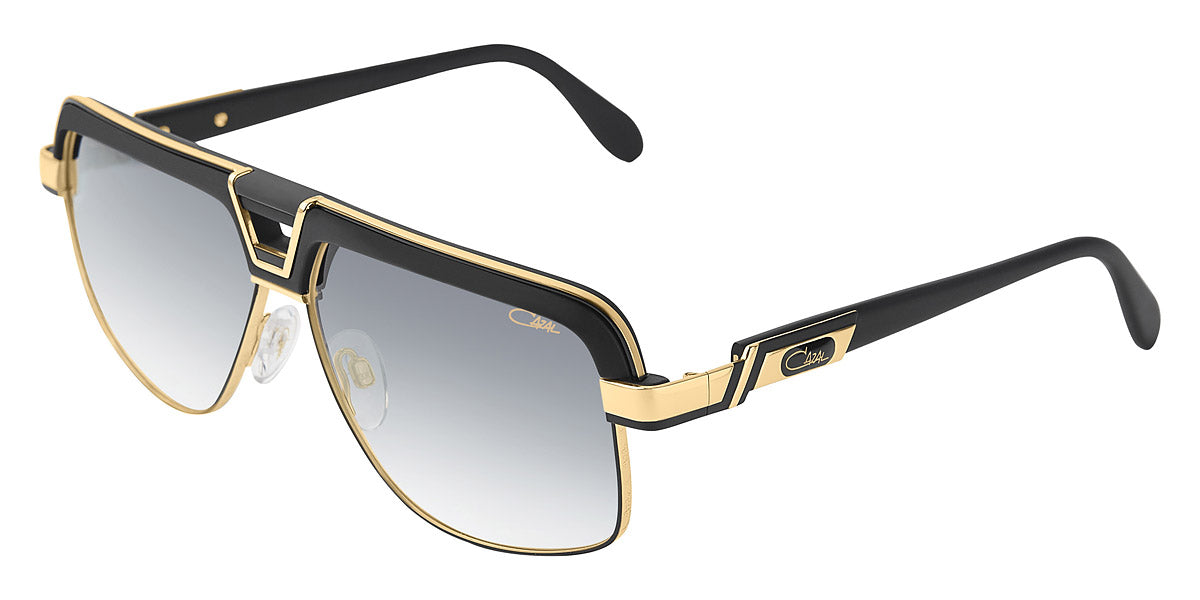
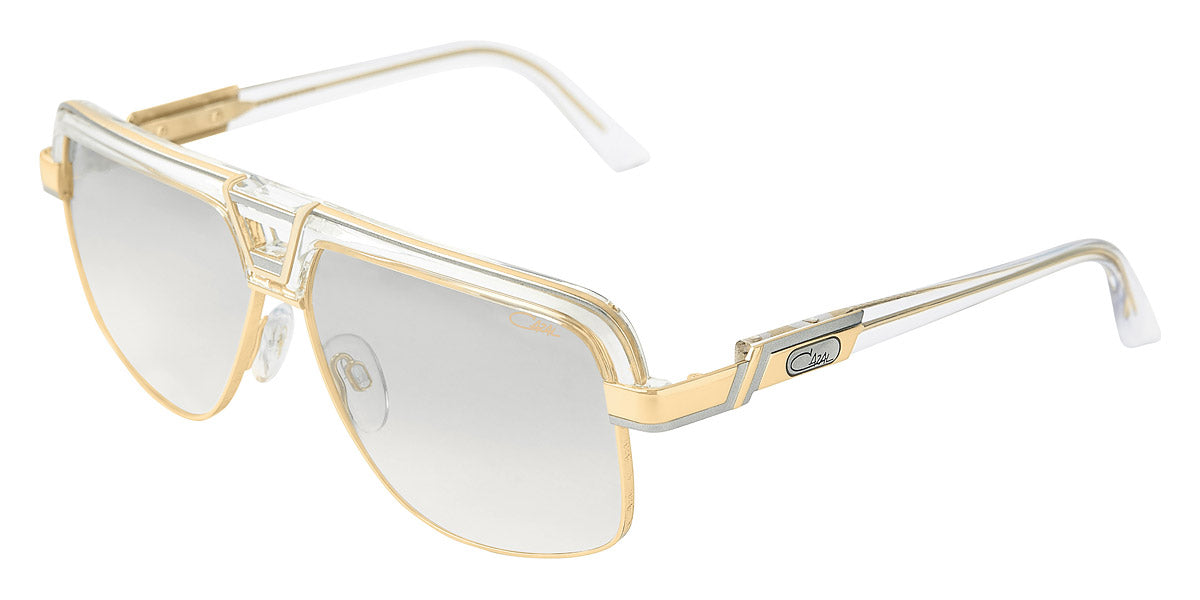
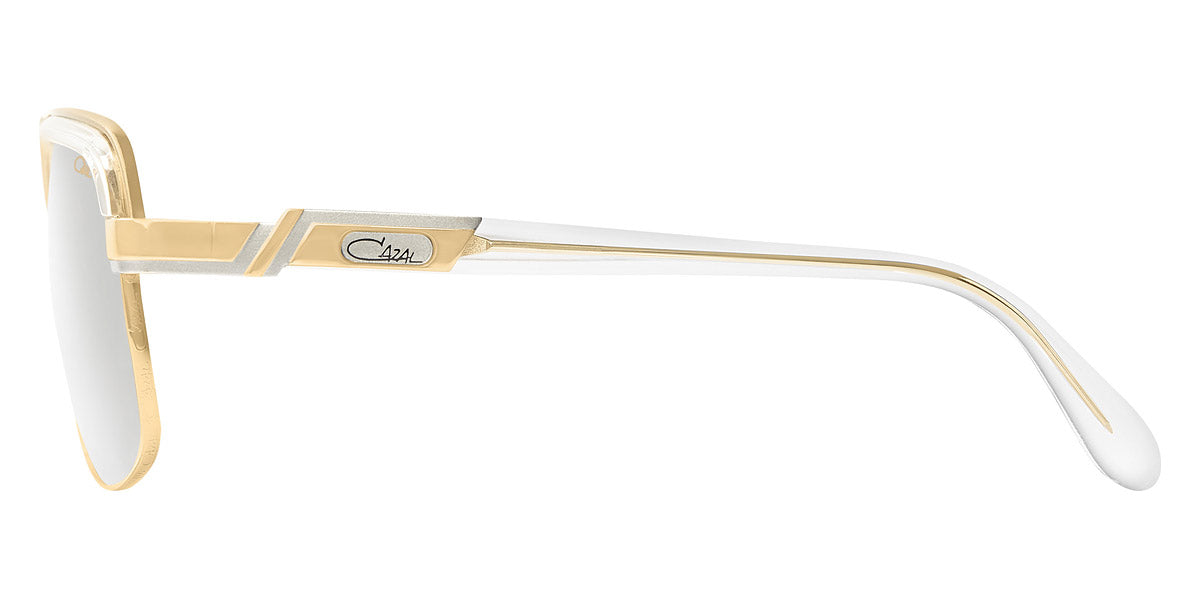
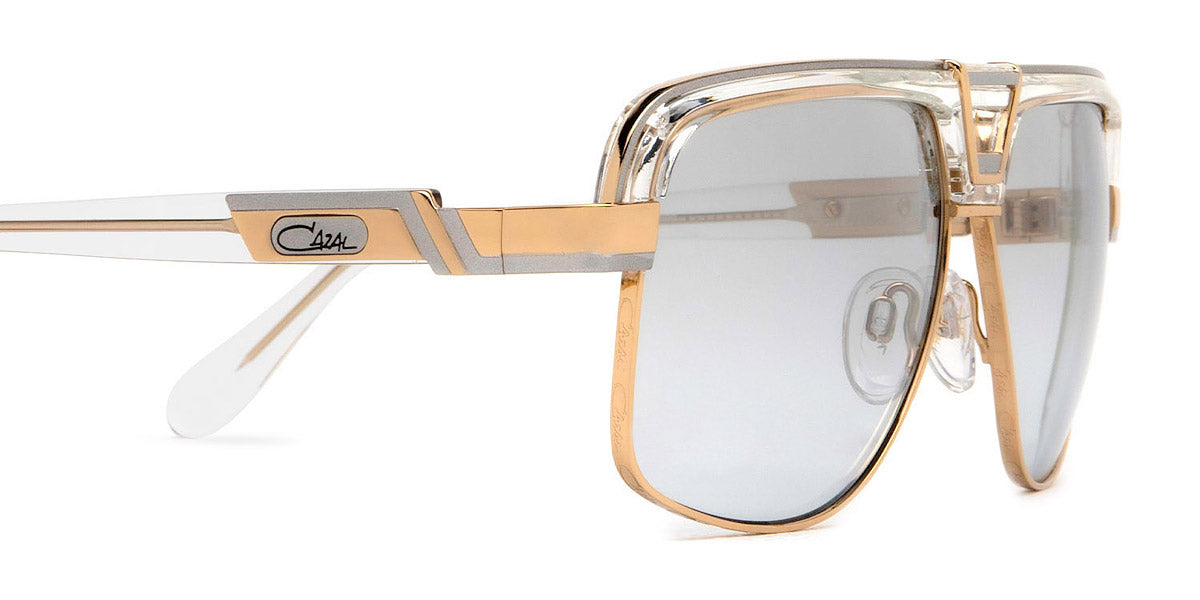
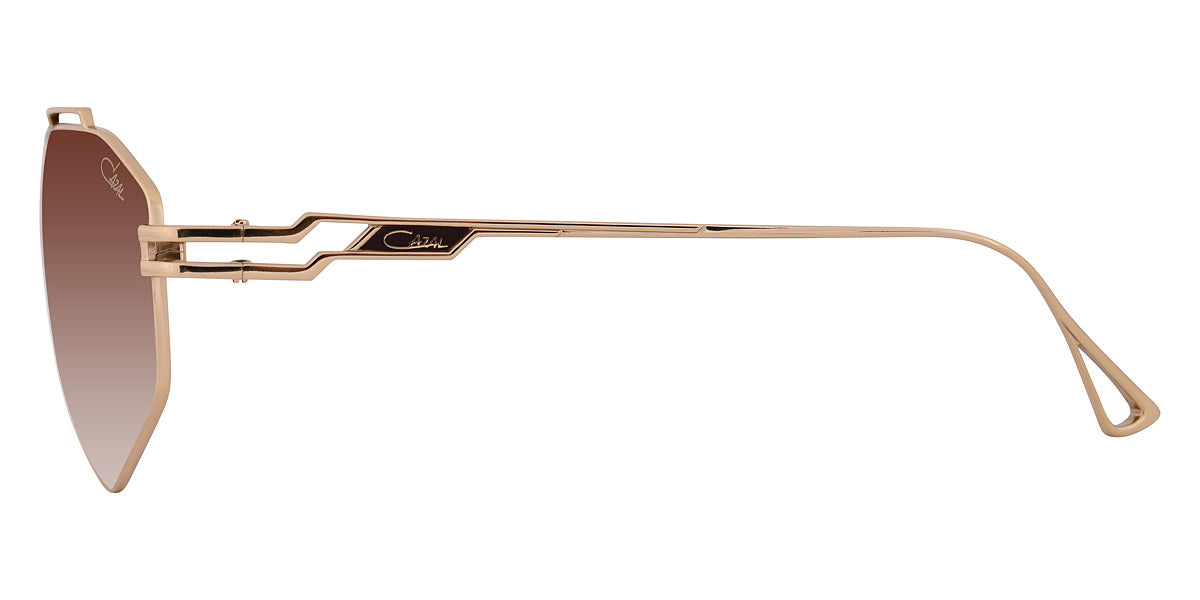
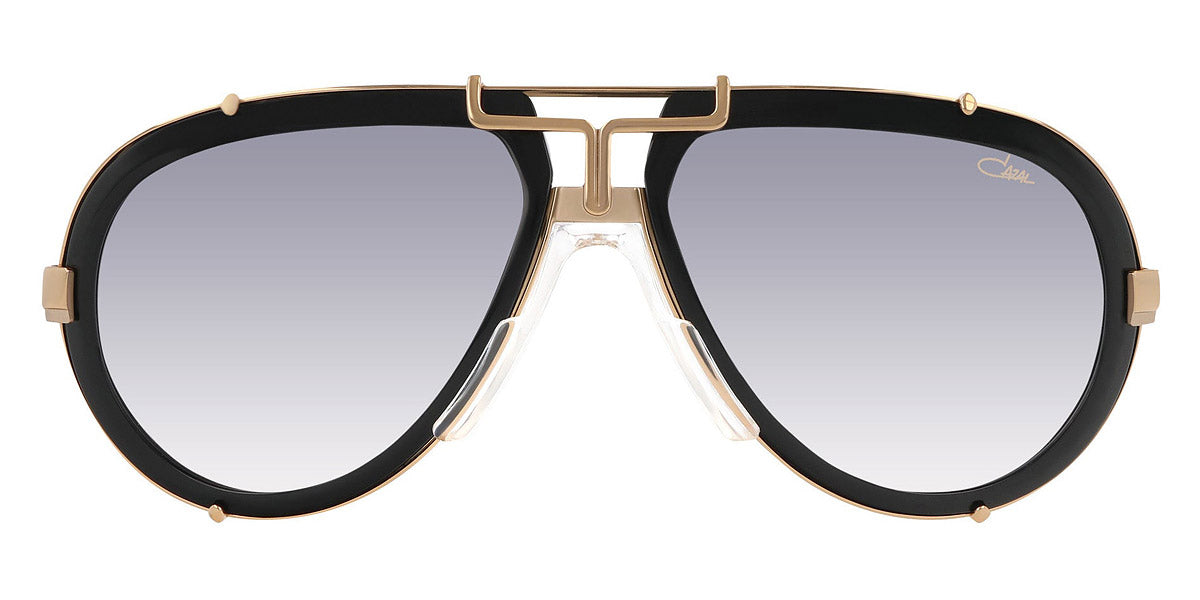
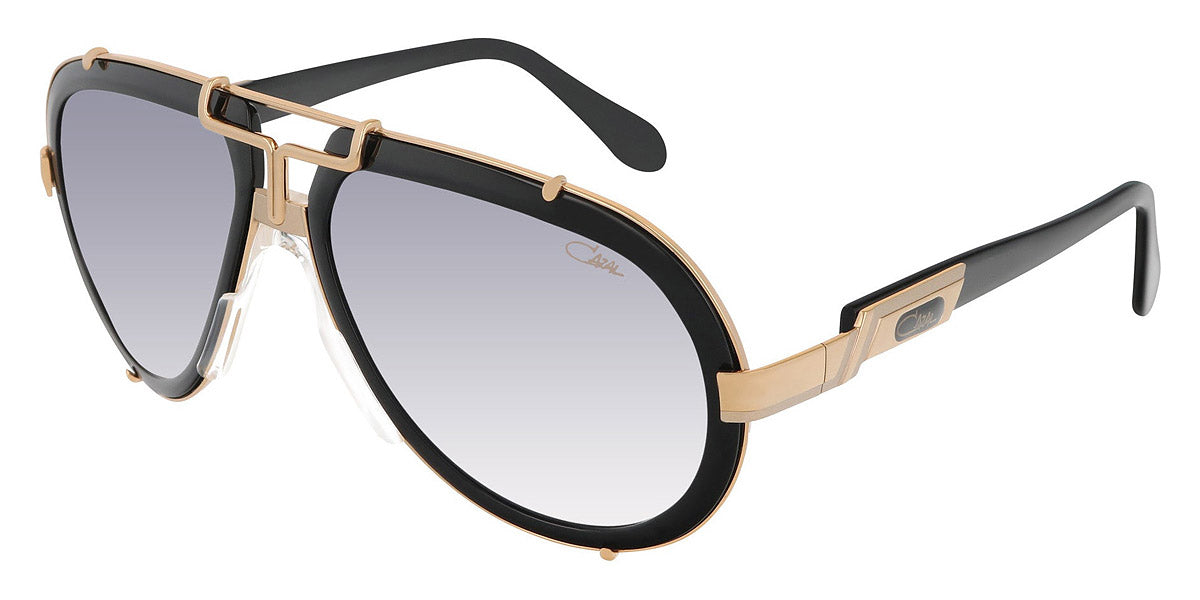
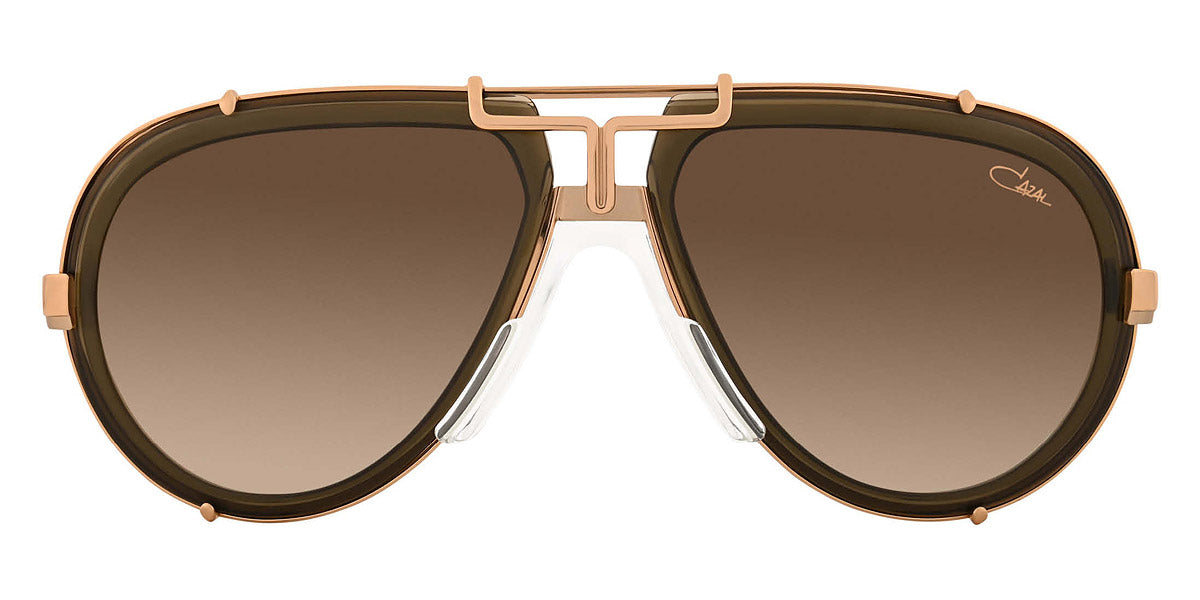
Cazal - 991
Regular price
$650.00
Black-Gold / Gray Gradient
Black Matte-Black / Gray Gradient Mirrored
Crystal-Bicolor / Light Silver Mirrored
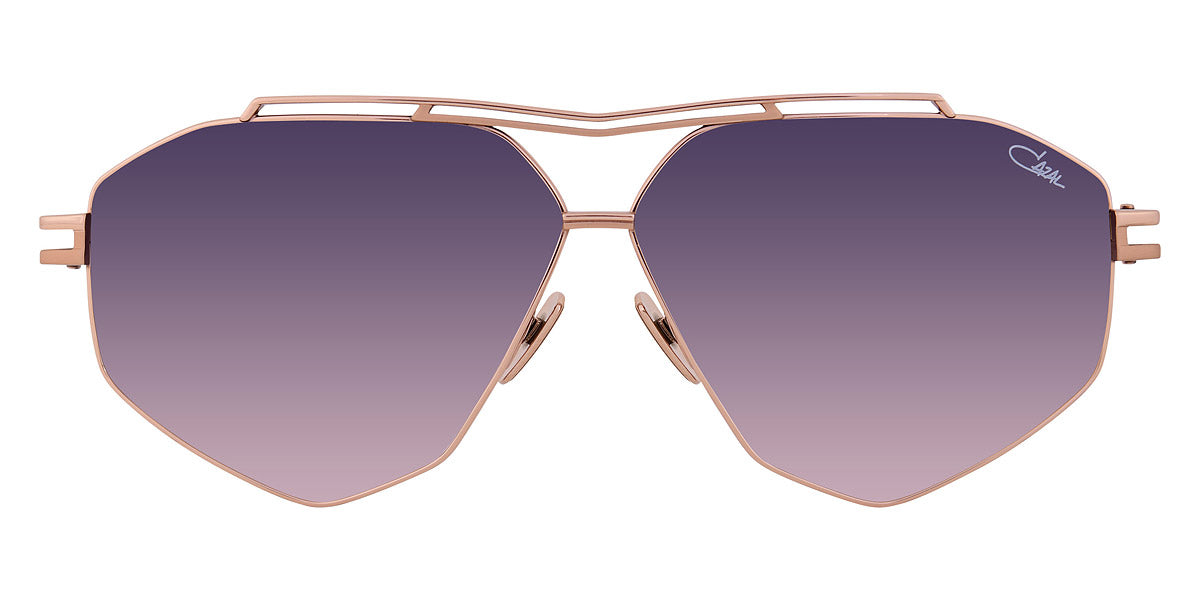
Cazal - 9500
Regular price
$650.00
Roségold / Violet Gradient AR
Gold / Gray Gradient AR
Gold / Brown Gradient AR
Cazal - 642/3
Regular price
$650.00
Black-Gold / Gray Gradient AR
Olive-Gold / Brown Gradient AR
Gray-Gunmetal / Gray Gradient AR
Loading...
The matter of selecting the correct shape and style of glasses becomes personal. But when in doubt about which frames to choose from, some general principles may give you a lit bit of guidance. The principal determinant has one's face shape because it's the determining factor in getting a pair of spectacles to match perfectly. For example, square and rectangular glasses should be preferred for those with chubby faces. Oval or round frames usually look good on people with rectangular faces. Rectangular glasses are the best choice for triangle-shaped faces; if your face happens to be of a universal type, go crazy with any trendy frame you fancy.
Once you have decided on the shape and model you prefer, remember fitting size for optimal wearing comfort. This is the second major consideration when choosing a new pair of optical spectacles or sunglasses. The company usually notes the possible sizes on the inside of the left temple of the eyewear: you would see a set of numbers that outlines three dimensions, namely, the lens width, distance between the nose bridge, and length of the temple arm. For instance, if your first number is 62, you're looking for a pair of glasses with 62mm lens widths. Figuring out the frame size is really quite simple: just take the first number, multiply by 2, add the next number, and the last bit is about the hinge joints, which add for about 4 to 12 mm. Compare the width of your face against this total to ascertain whether a particular frame can fit.


